
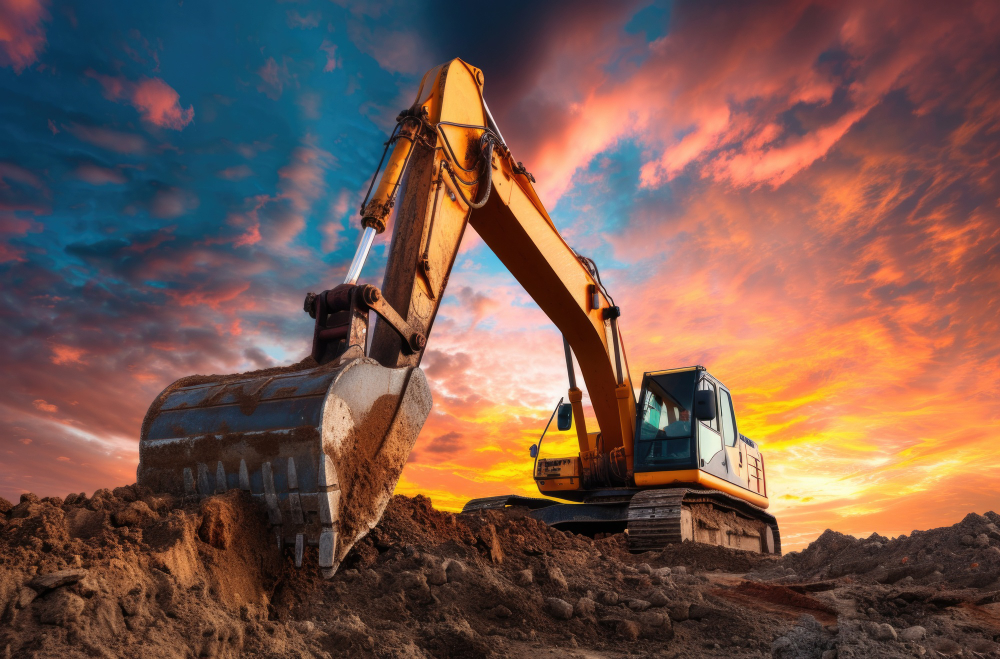
Every machine has a purpose. With demand on the rise, the construction equipment rental market is projected to grow at a CAGR of 4.2% between 2023 and 2028. Heavy construction vehicles like excavators, bulldozers, and cranes tackle the toughest jobs, while forklifts and other warehouse vehicles keep materials flowing where they’re needed most.
Here, we’ll break down the key types of construction vehicle and discuss how each one keeps projects on track—from the ground up.
Key Takeaways
✔ Construction vehicles are categorized by function: earthmoving, material handling, paving, and specialized tasks.
✔ Excavators, bulldozers, and graders are essential heavy construction vehicles for site prep and land shaping.
✔ Forklifts—across different forklift types and forklift styles—are vital in both warehouses and construction sites.
✔ A clear list of construction vehicles helps match the right machine to each phase of a project.
✔ Proper use and maintenance extend the lifespan of most types of construction vehicles to 10–15 years or more.
Table of Contents
Types of Construction Vehicles Every Project Needs
1. Material Handling and Lifting Equipment
Once materials are delivered to the job site, they need to be moved, lifted, and placed where they’re needed. This category of types of construction vehicles ensures efficiency in transporting everything from soil and stone to steel beams and pallets. It also includes equipment often listed under warehouse vehicles names, highlighting the crossover between construction and warehouse operations.
✔ Forklift
Forklifts bridge the gap between warehouse and construction site. Often listed under warehouse vehicles names, they’re also vital for lifting and transporting materials outdoors.
Different forklift types include:
- Counterbalance forklifts for stable, heavy lifting
- Reach trucks for high shelving and tight spaces
- Pallet jacks for quick, low-level movement
Choosing the right forklift styles depends on the setting:
- Electric forklifts for indoor warehouse work
- Diesel forklifts for rugged outdoor environments
- Propane forklifts for a balance of power and versatility
Forklifts are among the most versatile machines in the list of construction vehicles, making them indispensable across industries.
✔ Loader
Loaders are essential for material transport, especially when large volumes need to be moved. They are commonly used to:
- Scoop and move gravel, sand, dirt, or demolition debris
- Load dump trucks quickly and efficiently
- Clear areas after excavation or demolition
Because they can attach buckets of different sizes, loaders remain highly flexible among heavy construction vehicles.
✔ Skid Steer Loader
Compact but powerful, skid steer loaders thrive in tight spaces where larger machines can’t maneuver. They’re especially valuable in urban projects thanks to their ability to:
- Operate with various attachments (snowplows, augers, trenchers)
- Work indoors or in small construction zones
- Provide precise handling for landscaping or roadwork
They may be smaller in size, but their versatility ensures they hold a spot in any list of construction vehicles.
✔ Dump Truck
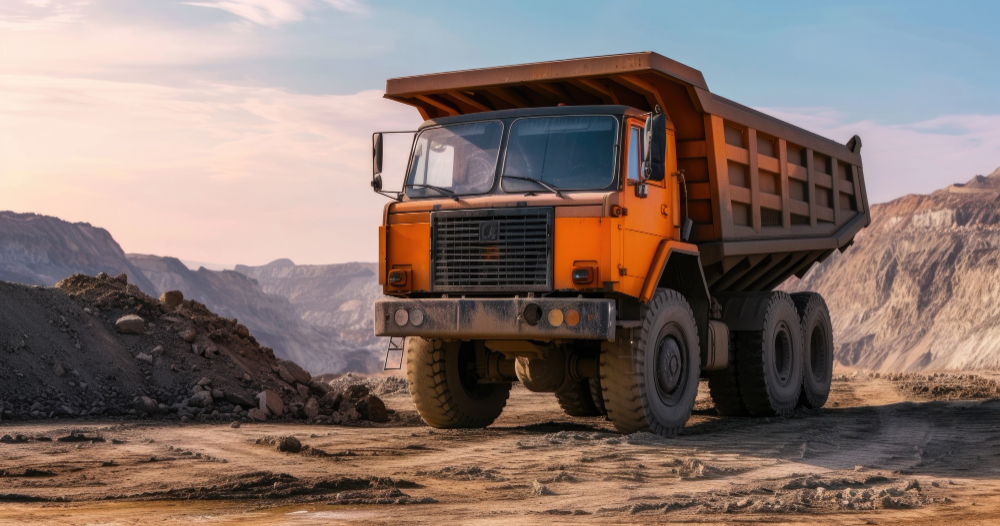
No job site is complete without dump trucks. These heavy construction vehicles specialize in transportation and play a critical role in:
- Hauling sand, gravel, and stone
- Removing demolition debris
- Delivering asphalt or fill materials to the site
Their tilting beds allow quick unloading, saving time and labor.
✔ Crane
Cranes represent some of the most powerful types of construction vehicles. They’re essential for high-rise and industrial projects because they can:
- Lift and place heavy loads like steel beams and concrete panels
- Reach extreme heights
- Handle tasks that no other heavy construction vehicle can match
Though cranes require skilled operators, they are non-negotiable for projects involving tall structures.
2. Earthmoving and Excavation Equipment
Before any building can rise, the land needs to be shaped, leveled, and prepared. This is where earthmoving machinery comes in. As some of the most common types of construction vehicles, these machines are responsible for digging, clearing, and grading land. They’re considered heavy construction vehicles because of their sheer size, power, and importance on large-scale job sites.
✔ Excavator
Excavators are among the most versatile machines in the entire list of construction vehicles. Their hydraulic arms and interchangeable buckets make them useful for:
- Digging trenches and foundations
- Lifting and transporting heavy materials
- Demolition of existing structures
- Handling attachments like augers and breakers
On nearly every project, the excavator is the go-to heavy construction vehicle for tasks requiring precision and power.
✔ Bulldozer
The bulldozer is the powerhouse of site preparation. Known for its strength and durability, it plays a critical role in shaping land. A bulldozer’s functions include:
- Pushing large quantities of soil, rocks, or rubble
- Clearing vegetation and debris
- Grading and leveling land to create stable foundations
Among the types of construction vehicles, bulldozers stand out for their ability to handle the toughest terrains.
✔ Backhoe Loader
A backhoe loader combines efficiency with versatility, making it a valuable mid-sized option on many sites. With a loader on the front and a backhoe on the rear, it can:
- Dig smaller trenches or holes
- Load and transport materials
- Perform light demolition work
When space or budget doesn’t allow for multiple heavy construction vehicles, the backhoe loader offers an all-in-one solution.
3. Surface Preparation and Paving Equipment
Once the earth has been moved and leveled, the next step is to prepare the surface for roads, buildings, and other infrastructure. This stage requires precise types of construction vehicles that ensure the ground is stable, compact, and ready for paving. These machines may not be as flashy as some heavy construction vehicles, but they’re absolutely critical for long-term durability and safety.
✔ Grader
Graders are known for their long blades that create smooth, level surfaces. They are essential in road construction and large-scale site development. Their uses include:
- Smoothing and finishing surfaces before asphalt or concrete paving
- Setting proper drainage slopes
- Fine-tuning rough grading completed by bulldozers
Without graders, many paving projects would lack the precision required for safety and stability. In fact, safety remains a major concern across the industry, with employers in construction receiving 26,005 OSHA citations from 2023 to 2024.
✔ Compactor (Roller)
A compactor, often called a roller, is designed to press soil, gravel, or asphalt into dense, stable layers. This makes it one of the most important items in a list of construction vehicles for roadwork. Common roles include:
- Compacting soil to prevent settling or erosion
- Pressing asphalt layers for smoother, longer-lasting roads
- Stabilizing foundations for buildings or parking lots
By ensuring the ground is firm, compactors improve both the strength and lifespan of paved surfaces.
✔ Paver
Pavers are specialized construction vehicles used to lay asphalt or concrete evenly across roadbeds. They work hand-in-hand with compactors to ensure proper finishing. Pavers are commonly used for:
- Spreading asphalt across highways and city roads
- Laying concrete for large projects like airport runways
- Creating uniform surfaces that reduce maintenance costs
Among all the types of construction vehicles, pavers are crucial to creating durable, smooth, and safe road surfaces.
4. Specialized and Auxiliary Equipment
Not all construction vehicles fit neatly into the categories of digging, lifting, or paving. Some are specialized machines that provide essential support on job sites. While they might not top a typical list of construction vehicles, these tools keep projects running efficiently and safely.
Concrete Mixer and Concrete Pump
Concrete is one of the most used materials in construction, and mixers and pumps make handling it much easier. Together, they:
- Mix concrete to the right consistency on-site
- Transport concrete efficiently to areas that are difficult to access
- Reduce manual labor and speed up timelines
These machines highlight how heavy construction vehicles are complemented by specialized equipment.
Telehandler
A telehandler is a hybrid between a crane and a forklift, making it one of the most versatile types of construction vehicles. It’s especially valuable for:
- Lifting heavy materials to high or hard-to-reach areas
- Handling loads on uneven terrain
- Extending reach beyond what standard forklift types can manage
Telehandlers often come up when discussing both forklift styles and cranes because they combine the strengths of both.
Light Tower
Construction often doesn’t stop when the sun goes down. Light towers provide necessary illumination for:
- Nighttime road and bridge projects
- Emergency construction or repair work
- Enhancing worker safety in low-light conditions
Though small compared to other heavy construction vehicles, light towers play a big role in productivity.
What is the Most Expensive Piece of Construction Equipment?
Cranes and tunnel-boring machines top the list. As the ultimate heavy construction vehicle, cranes require significant investment but provide unmatched lifting capabilities. These costs are offset by their ability to complete large-scale projects that no other machine can handle.
What is the Most Used Machine in Construction?
Excavators and forklifts rank high. On almost every job site, these machines appear in the list of construction vehicles because they handle multiple tasks daily. Their versatility makes them indispensable, from digging foundations to moving materials efficiently.
What is the Most Difficult Construction Machine to Operate?
Generally, motor graders are considered the most difficult heavy construction vehicle to operate. Unlike other types of construction vehicles, graders require precise control of the blade’s angle, height, and tilt to achieve a fine, smooth finish.
What is the Lifespan of Most Construction Equipment?
On average, most types of construction vehicles last 10–15 years with proper maintenance. However, certain forklift types—especially electric models—can last even longer in warehouse environments. Regular servicing, operator care, and usage conditions all play a role in extending equipment life.
Frequently Asked Questions (FAQs)
What are the main categories of construction vehicles?
Construction vehicles are generally grouped into categories such as earthmoving, material handling, surface preparation, paving, and specialized equipment. This list of construction vehicles helps builders choose the right machine for each stage of a project.
How do forklifts compare to other heavy construction vehicles?
While forklifts are smaller than most heavy construction vehicles, they’re extremely versatile. Different forklift types and forklift styles make them essential not only on job sites but also in warehouses where efficient material movement is critical.
What warehouse vehicles names are most commonly used?
Common warehouse vehicles names include forklifts, pallet jacks, reach trucks, and order pickers. Among these, forklifts stand out for their ability to handle both indoor warehouse tasks and outdoor construction projects.
Are there different forklift styles for indoor and outdoor use?
Yes. Electric forklift styles are best for indoor use because they’re clean and quiet, while diesel or propane forklift types are designed for outdoor, heavy-duty applications where more power is required.
Why is it important to understand the types of construction vehicles before starting a project?
Knowing the types of construction vehicles ensures the right equipment is used for the right job, saving time and money. Whether you need a heavy construction vehicle like a bulldozer or a specialized forklift, making informed choices leads to safer and more efficient projects.
Rent the Right Forklift Construction Vehicles for the Job!
When it comes to moving heavy loads, nothing beats the right forklift. From warehouses to construction sites, forklifts are essential for keeping projects running smoothly and safely. Choosing the right forklift style, capacity, and features ensures efficiency and helps you avoid costly delays.
Looking to rent a forklift or other construction vehicle that matches your project’s needs? Almeida Forklifts makes it easy with expert guidance on forklift types, rental options, and professional support. Visit us today to find the perfect forklift rental for your job.