
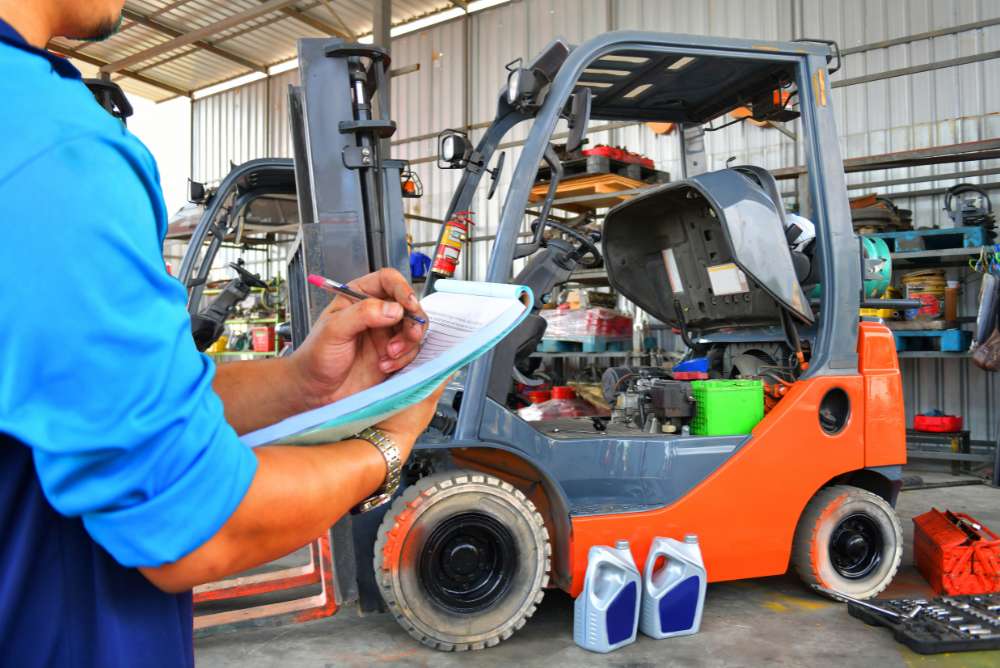
Forklifts help warehouses, distribution centers, and industrial operations by keeping goods moving efficiently. However, misconceptions about forklift parts can unknowingly reduce productivity, increase safety risks, and lead to costly downtime. Believing these myths can cause businesses to use inferior parts, neglect maintenance, or even make poor replacement decisions. Understanding the truth behind these myths helps improve operational efficiency and maintain a safe working environment.
Here are six myths about forklift parts that could be hurting productivity.
Table of Contents
Key Takeaways✔ Not all forklift parts offer the same quality, and using high-quality parts ensures better performance, safety, and durability. ✔ Forklift parts wear out over time, and regular replacement prevents unexpected breakdowns and productivity loss. ✔ Aftermarket forklift parts may seem cheaper initially, but they often lead to higher long-term costs due to frequent failures. ✔ Regular maintenance of forklift parts directly impacts productivity by preventing malfunctions. ✔ Using the correct lubricant for forklift parts reduces wear, improves efficiency, and prevents mechanical failure. ✔ Replacing forklift parts without proper training can lead to safety risks, making professional knowledge essential. |
1. All Forklift Parts Offer the Same Quality
Many believe that all forklift parts are created equal, regardless of their source. This misconception can lead to using lower-quality parts that impact efficiency and safety. Understanding the differences in part quality helps prevent productivity loss.
Why This Myth Exists
- Cost Savings Perception: Some believe that cheaper, generic parts provide the same function as higher-quality parts. This focus on immediate cost savings ignores long-term performance issues.
- Lack of Awareness: Operators may not know the technical differences between OEM and aftermarket forklift parts. This lack of knowledge leads to incorrect assumptions about part efficiency and function.
- Availability Issues: In urgent situations, businesses may opt for readily available parts instead of high-quality ones. This quick fix can create long-term problems as subpar parts don’t provide high-quality results.
The Truth
Not all forklift parts provide the same level of quality and reliability. Choosing parts that meet the manufacturer’s standards ensures consistent performance, enhances safety, and minimizes downtime. Quality parts are essential for maintaining productivity and keeping operations running smoothly.
2. Forklift Parts Rarely Need Replacement
Some believe that forklift parts last indefinitely with minimal care. This misconception can lead to unexpected breakdowns and decreased productivity. Regular replacement of parts is essential for maintaining smooth operations.
Why This Myth Exists
- Initial Durability: Forklift parts are built to last, leading some to believe they never need replacement. This assumption overlooks wear and tear from constant use.
- Infrequent Inspections: Without regular checks, worn parts go unnoticed. This creates the illusion to companies that replacements are unnecessary.
- Cost Avoidance: Some businesses avoid the expense of new forklift parts. This short-term saving can lead to higher repair costs later if ever major issues arise.
The Truth
Even durable forklift parts have a finite lifespan. Continuous use causes wear, which can lead to equipment failure if not addressed. Regularly replacing worn parts ensures forklifts stay reliable and productive for many years to come.
3. Aftermarket Forklift Parts Save Money
Many believe aftermarket forklift parts are a cost-effective alternative to OEM parts. However, lower upfront costs can lead to higher long-term expenses. Poor quality parts can reduce efficiency and cause breakdowns.
Why This Myth Exists
- Lower Initial Cost: Aftermarket parts are cheaper upfront, making them seem like a smart financial choice. This overlooks hidden costs from frequent replacements that can come from constant wear and tear.
- Marketing Claims: Some suppliers promote aftermarket parts as “just as good” as OEM. These claims often ignore quality differences that business may fail to check.
- Immediate Availability: Aftermarket parts are sometimes easier to find. This convenience often leads to quick, uninformed decisions.
The Truth
Aftermarket forklift parts often lack the durability and precision of OEM parts. Frequent failures, downtime, and safety risks increase overall costs. Investing in quality parts leads to better long-term savings and reliability.
4. Forklift Maintenance Doesn’t Affect Productivity
Some believe that maintaining forklift parts is unnecessary for productivity. This myth causes businesses to overlook essential upkeep that would have prevented serious issues from occurring. Neglecting maintenance results in costly downtime and inefficiency.
Why This Myth Exists
- Short-Term Focus: Operators may prioritize immediate tasks over long-term maintenance. This leads to neglected inspection of forklift parts.
- Lack of Downtime: Some believe taking a forklift out of service for maintenance wastes time. This approach can result in more significant disruptions later when a hidden issue isn’t addressed immediately.
- Misunderstanding of Maintenance Value: Some don’t see the link between routine maintenance and forklift efficiency. This leads to skipped checks and breakdowns.
The Truth
Regular maintenance keeps forklift parts in top condition. Inspections and upkeep prevent breakdowns, which ensures consistent productivity. Investing in maintenance reduces downtime and prolongs equipment life.
5. Any Lubricant Works for Forklift Parts
Many assume that all lubricants provide the same benefits for forklift parts. This misconception can cause premature wear and reduced efficiency. Choosing the correct lubricant is essential for smooth operations.
Why This Myth Exists
- General Assumptions: Operators may believe lubricants are interchangeable across machinery. This leads to improper applications and choosing the right type for specific forklifts.
- Lack of Training: Without proper training, workers may not know which lubricants suit specific forklift parts.
- Cost Considerations: Some choose cheaper, general-purpose lubricants to save money. This short-term saving can lead to long-term damage, as poorly-chosen lubricants are unable to protect the forklift from issues.
The Truth
Forklift parts require specific lubricants to function effectively. The wrong lubricant can lead to excessive friction, wear, and breakdowns. Following manufacturer recommendations ensures parts stay efficient and durable.
6. Forklift Parts Can Be Replaced Without Training
Some believe that anyone can replace forklift parts without proper training. This misconception can lead to safety hazards and operational inefficiencies. With forklifts involved in 73 work-related deaths in 2022 and 24,960 DART cases, expert knowledge is essential for correct part replacement.
Why This Myth Exists
- Perceived Simplicity: Swapping out parts may seem straightforward. This oversimplifies the technical aspects of forklifts, which can introduce risks due to lack of knowledge.
- Time Pressure: In busy environments, operators may attempt quick fixes. This rush can lead to costly mistakes for both the business and employee’s safety.
- Cost Cutting: Some businesses avoid professional services to save money. This approach often results in errors and higher repair costs.
The Truth
Replacing forklift parts requires proper training and expertise. Incorrect installations can compromise safety and efficiency. Relying on skilled technicians ensures forklifts remain safe and productive for any type of project.
How to Spot Worn Forklift Parts to Prevent Downtime
Early detection of worn forklift parts can save time, money, and ensure smooth operations. Recognizing the signs of wear helps prevent breakdowns and unexpected downtime. By knowing what to look for, businesses can maintain efficiency and safety.
1. Inspect Forklift Tires for Wear and Damage
Forklift tires endure constant pressure, making them prone to wear and tear. Look for visible cracks, bald spots, or uneven tread patterns, which reduce traction and stability. Tires with significant wear can impact load handling and increase safety risks.
2. Check Hydraulic Hoses for Leaks and Cracks
Hydraulic hoses control essential functions like lifting and tilting. Regularly inspect hoses for cracks, leaks, or bulging sections, which indicate weakening. Fluid leaks can lead to reduced hydraulic pressure, which affects performance and safety.
3. Examine Forks for Bending or Deformation
Forks handle heavy loads and can bend or warp over time. Inspect the forks for signs of bending, cracks, or uneven wear, which compromise load stability. Damaged forks can cause load drops or tip-overs, which risk safety and productivity.
4. Monitor the Brake System for Signs of Wear
The brake system is critical for safety and efficiency. Listen for squealing sounds, check for reduced braking power, and inspect brake pads for thinning. Worn brake parts compromise stopping ability, increasing the risk of accidents.
5. Inspect the Mast and Chains for Wear
The mast and chains lift and lower loads, making them vital components. Look for stretched chains, rust, or broken links, which weaken lifting strength. A misaligned mast or damaged chains can lead to load instability. Keeping these forklift parts in good condition ensures smooth and safe lifting operations.
6. Check Bearings and Bushings for Looseness
Bearings and bushings reduce friction in moving parts. Over time, these components can loosen, causing vibrations or misalignment. Excessive play or noise when operating the forklift signals worn bearings. Replacing these forklift parts promptly prevents mechanical failure and keeps operations efficient.
How to Develop an Effective Forklift Maintenance Schedule
A structured maintenance schedule ensures forklift parts remain in peak condition, reducing downtime and enhancing safety. This is a crucial practice as forklift sales are expected to approach 2.4 million units globally by 2030. Regular checks and services keep forklifts running smoothly and extend their lifespan.
1. Establish Daily Pre-Shift Inspections
Daily inspections help identify immediate issues with forklift parts before operations begin. Operators should check fluid levels, brakes, lights, tires, and forks each shift. Noting any visible damage or performance changes ensures quick action. A thorough daily check keeps forklifts reliable and prevents sudden malfunctions.
2. Schedule Weekly Performance Checks
Weekly checks go beyond daily inspections by focusing on performance and safety-critical components. Technicians should examine the mast, chains, battery, and hydraulic systems for wear or leaks. Testing forklift parts for proper operation helps spot early signs of failure. This step prevents minor issues from becoming major problems.
3. Implement Monthly Preventative Maintenance
Monthly maintenance includes detailed inspections and servicing of key forklift parts. Tasks like lubricating moving parts, inspecting filters, and adjusting brakes ensure smooth operation. Checking electrical connections and tightening loose components improves safety.
4. Track Hours of Operation for Key Replacements
Different forklift parts have recommended replacement intervals based on usage hours. Track operating hours to know when to replace items like tires, forks, and brake pads. For example, tires may need replacement after 1,000 hours, depending on wear. Monitoring hours ensures timely replacements and minimizes unexpected downtime.
5. Use a Maintenance Logbook for Records
Keeping a detailed logbook helps track the condition and service history of forklift parts. Record every inspection, repair, and replacement to identify recurring issues. This documentation helps plan future maintenance and ensures compliance with safety regulations.
6. Plan Seasonal Maintenance for Changing Conditions
Different seasons bring unique challenges for forklift parts, such as cold weather affecting batteries or heat impacting hydraulics. Schedule seasonal maintenance to prepare forklifts for these conditions. Inspecting coolant systems, batteries, and tire pressure ensures forklifts operate efficiently year-round.

How to Organize Forklift Parts Inventory for Maximum Efficiency
An organized forklift parts inventory ensures quick access to essential components. Proper organization saves time, prevents errors, and helps keep track of parts availability. Implementing clear systems and processes can streamline inventory management and keep operations running smoothly.
1. Categorize Forklift Parts by Type
Grouping forklift parts by type, such as hydraulic components, tires, brakes, and electrical parts, makes locating items easier. Clearly label each category and store parts in designated areas. This system reduces search time and minimizes the risk of selecting the wrong part.
2. Use a Digital Inventory Management System
A digital system helps track forklift parts in real time. Inventory management software records quantities, locations, and usage history, reducing human error. Notifications for low stock levels ensure timely reordering. This approach maintains accurate inventory and improves workflow efficiency.
3. Label Each Part with Clear Identification
Proper labeling ensures each forklift part is easy to identify. Include details like part numbers, descriptions, and compatible forklift models. Using barcodes or QR codes speeds up inventory tracking. Clear labeling prevents confusion and reduces errors during part selection.
4. Implement a First-In, First-Out (FIFO) System
A FIFO system ensures older forklift parts are used before newer stock. This approach prevents parts from sitting too long and becoming obsolete. Mark shelves or bins with dates to ensure proper rotation. FIFO minimizes waste and helps maintain inventory freshness.
5. Designate a Dedicated Storage Area
Assign a specific space for forklift parts storage to streamline organization. Use shelving, bins, and drawers to keep items separated and accessible. Ensure the area is clean, well-lit, and climate-controlled to protect parts. A dedicated space reduces clutter and speeds up retrieval times.
6. Conduct Regular Inventory Audits
Perform scheduled audits to verify forklift parts inventory levels. Compare physical counts with digital records to identify discrepancies. Regular audits help prevent shortages, overstocking, and misplacement of parts. Keeping accurate inventory records ensures seamless operations and reduces downtime risks.
Frequently Asked Questions (FAQs)
How often should forklift batteries be replaced?
Forklift batteries typically last between 3 to 5 years, depending on usage and maintenance. Regular charging, avoiding over-discharging, and maintaining proper water levels can extend battery life. Signs of a failing battery include reduced run time, slow lifting, or visible corrosion. Replacing a worn-out battery ensures consistent performance and minimizes unexpected downtime.
What are the signs that a forklift’s steering system needs attention?
Difficulty in turning, unresponsive steering, or unusual noises while steering are common signs of issues. Worn steering components, such as tie rods or hydraulic pumps, can cause these problems. Regularly inspecting and greasing steering parts helps maintain smooth operation. Addressing steering issues early improves safety and prevents further damage to forklift parts.
How can businesses ensure they have the right space forklift parts in stock?
Analyzing past maintenance records helps identify which parts are most frequently replaced. Maintaining an inventory of essential items like tires, brake pads, and hydraulic hoses reduces downtime. Working with reliable suppliers ensures quick access to specialized forklift parts when needed. Keeping stock aligned with usage patterns helps prevent delays and interruptions.
What causes forklift forks to wear out prematurely?
Overloading, improper lifting techniques, and carrying loads with uneven weight distribution can lead to fork wear. Frequent impacts, such as scraping the ground or hitting objects, also damage the forks. Regularly inspecting for cracks, bends, or thinning helps identify issues early. Replacing worn forks before they fail maintains safety and operational efficiency.
Are there specific guidelines for replacing forklift chains?
Yes, forklift chains should be inspected regularly and replaced when elongation exceeds 3%. Look for signs of rust, corrosion, or damaged links during inspections. Using a chain wear gauge can accurately measure elongation. Following manufacturer guidelines for replacement intervals ensures lifting operations remain safe and efficient.
Find Reliable Forklifts with Quality Parts at Almeida Forklifts!
Keep operations efficient with our dependable used forklifts and high-quality parts from Almeida Forklifts in Lauderdale Lakes, FL. Almeida Forklifts specializes in selling reliable used forklifts, to ensure businesses find affordable equipment that performs consistently. Our extensive inventory of forklift parts helps extend the life of these machines, with expert support and quick turnaround times to minimize downtime and maximize productivity.
Trust us for cost-effective solutions in Lauderdale Lakes, FL, that keep equipment moving smoothly!