
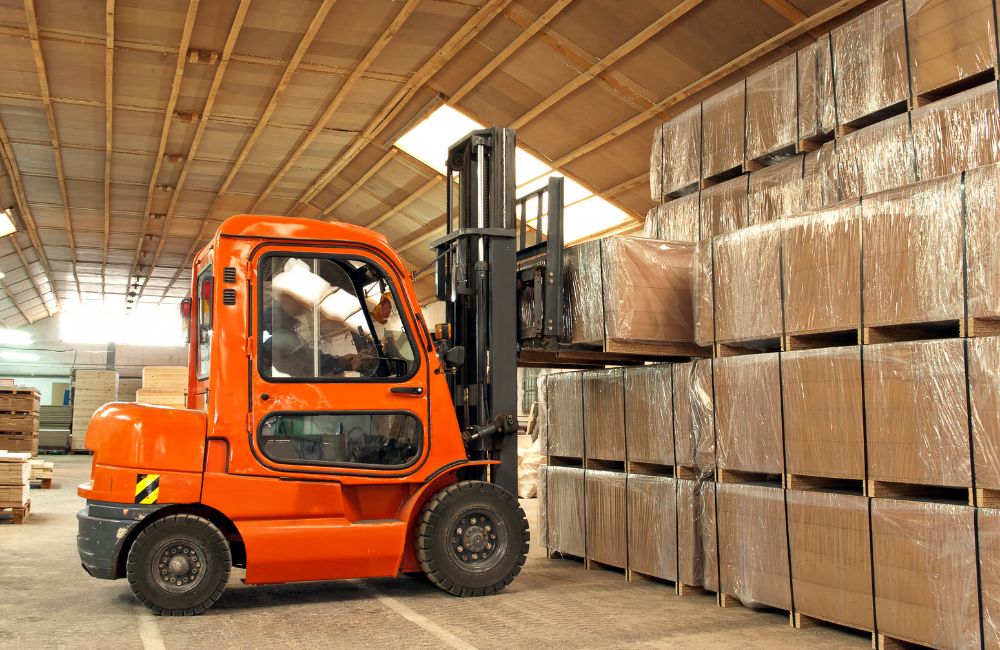
Renting a forklift can be a smart and cost-effective solution for many businesses in Lauderdale Lakes, FL. The demand for forklift rentals continues to grow globally, with the United States leading the market with a 24.7% market share in 2023. Whether you need the equipment for a short-term project or a specialized task, forklift rental allows you to access the right machinery without the long-term commitment. However, like any major decision, the process of forklift rental comes with its own set of challenges. Mistakes made during the rental process can lead to inefficiencies, safety hazards, and increased costs.
Here are the six common mistakes made during forklift rental and detailed, actionable tips on how to avoid them.
Key Takeaways✔ Forklift rental allows businesses to scale equipment needs and avoid the costs of owning idle machinery. ✔ Renting forklifts frees up capital that can be used for other critical business needs, avoiding the significant financial burden of purchasing equipment. ✔ Forklift rental can be matched to specific project durations, ensuring you only pay for the equipment when needed. ✔ Renting offers the chance to test different forklifts in your environment before committing to a purchase, reducing the risk of a poor investment. ✔ Carefully read and understand the rental contract to avoid hidden fees and unexpected liabilities. ✔ Proper planning and continuous use of rented forklifts maximize value and minimize costs. ✔ Ensure that only trained and certified operators handle rented forklifts to prevent accidents and legal issues. ✔ Following a maintenance checklist during the rental period ensures safe operation and prevents costly breakdowns. |
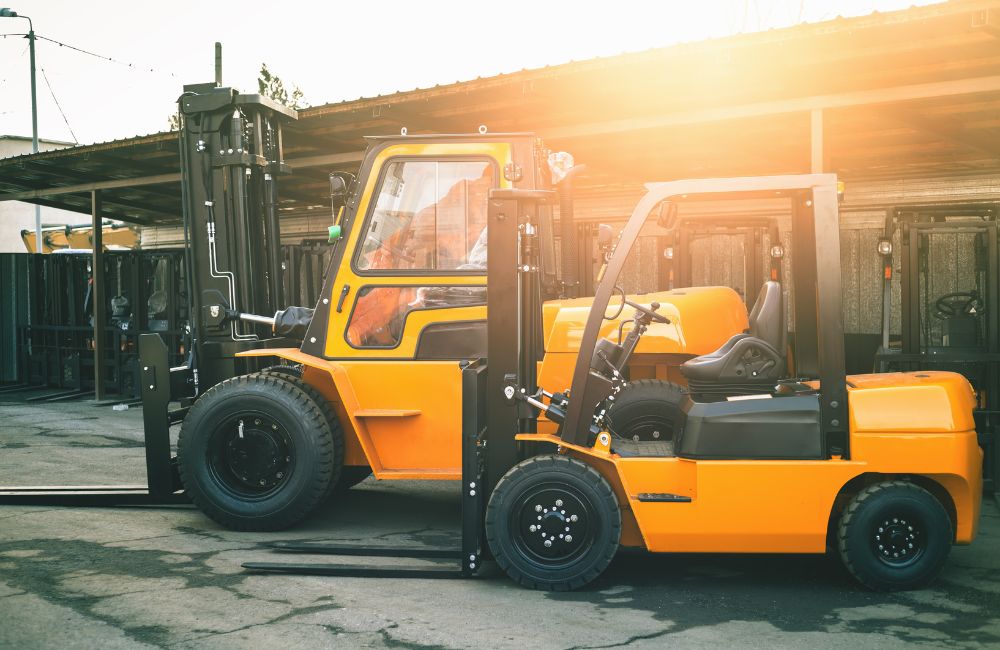
Why Forklift Rental is a Smart Choice
Forklift rental offers several advantages that make it an attractive option for businesses of all sizes. These advantages include flexibility, cost savings, and the ability to tailor your equipment needs to specific projects. Here are some of its key benefits:
Flexibility and Cost-Effectiveness
-
- Adjusting to Project Demands: One of the most significant benefits of forklift rental is the flexibility it offers. If your business experiences seasonal spikes in demand or takes on short-term projects, renting a forklift allows you to scale your equipment needs accordingly. This means you only pay for the forklift when you need it, avoiding the costs associated with owning and maintaining equipment that may sit idle for long periods.
-
- Avoiding Upfront Costs: Purchasing a forklift requires a substantial upfront investment, which can strain your capital, especially if you are a small business or startup. Forklift rental allows you to access high-quality equipment without a significant financial outlay. This frees up capital that can be used for other critical business needs, such as inventory, marketing, or expanding your workforce.
Short-Term vs. Long-Term Rentals
-
- Matching Rental Periods to Project Needs: Forklift rental can be tailored to match the specific duration of your project. Whether you need a forklift for a day, a week, or several months, rental companies can provide flexible rental periods that align with your project timelines.
-
- Testing Equipment Before Purchase: Forklift rental also offers the opportunity to test different types of forklifts before making a purchase decision. This is particularly useful if you are unsure about which model or brand will best suit your needs. By renting, you can evaluate the equipment’s performance in your work environment before committing to a purchase.
What to Consider Before Renting a Forklift
Before entering into a forklift rental agreement, it’s essential to thoroughly assess your needs and choose the right rental company. Here are some critical factors to consider:
Assess Your Needs
-
- Type of Work: What specific tasks will the forklift be used for? Will it be lifting heavy pallets in a warehouse, moving materials on a construction site, or transporting goods in a retail environment? Understanding the nature of the work will help you select the appropriate forklift.
-
- Load Capacity: Consider the maximum weight that the forklift will need to lift. Forklifts come in various load capacities, so it’s important to choose one that can handle your heaviest loads safely. Overloading a forklift can lead to accidents, equipment damage, and potential injury.
-
- Operating Environment: Where will the forklift be used? If it will be operating indoors on smooth surfaces, an electric forklift may be suitable. However, if it will be used outdoors on rough terrain, a diesel or propane forklift with pneumatic tires may be more appropriate. The operating environment will also dictate whether you need a forklift with specific features, such as all-wheel drive or a high mast height.
Select the Right Rental Company
-
- Reputation and Reviews: Not all forklift rental companies are created equal. It’s important to do your research and choose a company with a solid reputation for reliability, customer service, and quality equipment. Reading online reviews and seeking recommendations from other businesses in your industry can help you make an informed decision.
-
- Transparent Pricing: Ensure that the rental company provides clear and transparent pricing. Hidden fees, such as delivery charges, maintenance costs, or penalties for late returns, can quickly add up. Ask for a detailed quote that includes all potential costs so that you can budget accordingly.
-
- Customer Service: The level of customer service provided by the rental company can make a significant difference in your experience. Choose a company that offers responsive and helpful customer support, especially if you encounter issues with the equipment or need assistance during the rental period.
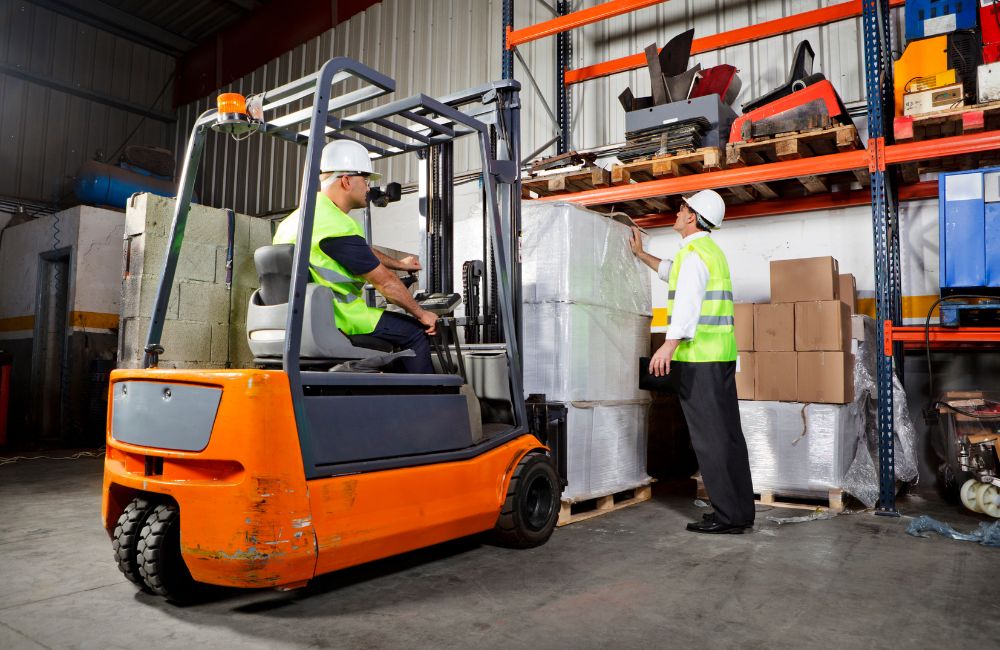
6 Common Forklift Rental Mistakes and How to Avoid Them
Let’s explore six of the most common mistakes people make during the forklift rental process and how you can avoid them.
1. Failing to Read and Understand the Contract
One of the most critical mistakes in the forklift rental process is not thoroughly reading and understanding the rental contract. The rental agreement is a legally binding document that outlines the terms and conditions of the rental, including the rental period, payment terms, maintenance responsibilities, and liability provisions.
-
- Common Pitfalls: Many people overlook the fine print or fail to ask questions about unclear clauses, leading to unexpected costs or disputes with the rental company. For example, you may be unaware of late return fees, additional charges for excessive wear and tear, or restrictions on how the forklift can be used.
-
- How to Avoid It: To avoid this mistake, take the time to carefully review the rental contract before signing. If there are any terms or conditions that you do not understand, ask the rental company for clarification. It’s better to ask questions upfront than to face unpleasant surprises later on. Pay particular attention to the rental period, payment terms, maintenance obligations, and any insurance requirements. Ensure that the contract clearly outlines who is responsible for repairs and what happens if the equipment is damaged or fails to operate correctly.
2. Failing to Maximize the Use of the Forklift During the Rental Period
Forklift rental is most cost-effective when the equipment is used to its full potential. Underutilization of the forklift during the rental period can lead to wasted resources and increased costs. This mistake often occurs when businesses do not adequately plan their project timelines or workflows, resulting in the forklift sitting idle for extended periods.
-
- Impact on Efficiency and Cost: When you rent a forklift, you are paying for the time the equipment is available to you, not just the time it is in use. If the forklift is not actively being used, you are essentially paying for downtime, which reduces the overall value of the rental.
-
- How to Avoid It: Start by creating a detailed project timeline that outlines when the forklift will be needed for specific tasks. Coordinate with your team to ensure that the forklift is available and ready to use when required. Additionally, consider training multiple employees to operate the forklift so that it can be used continuously throughout the rental period.
3. Renting the Wrong Type of Forklift
Selecting the wrong type of forklift for your project can lead to operational inefficiencies, increased risks, and potential damage to the equipment or materials. This mistake is often made when businesses fail to consider the specific requirements of their project or rely solely on cost as the deciding factor.
-
- Consequences of Choosing the Wrong Forklift: Using a forklift that is not suited to your needs can result in a range of problems. For example, if you rent a forklift designed for indoor use in a warehouse but need it to operate on rough outdoor terrain, you may find that it lacks the necessary stability and traction. Similarly, if you choose a forklift with insufficient load capacity, you risk overloading the equipment, which can cause it to tip over or fail.
-
- How to Avoid It: The key to avoiding this mistake is to thoroughly assess the requirements of your project before selecting a forklift. Consider factors such as the weight and dimensions of the loads you will be lifting, the height you need to reach, and the operating environment. If you are unsure which type of forklift is best suited to your needs, consult with the rental company’s experts. They can provide guidance based on their knowledge of the equipment and your specific project requirements.
4. Failing to Use a Qualified Operator
Operating a forklift requires specific skills and certifications. Allowing an unqualified or inexperienced operator to handle a rented forklift is not only dangerous but can also result in legal liabilities if an accident occurs.
-
- Risks of Unqualified Operation: Forklifts are powerful machines that can cause significant injury or damage if not operated correctly. Unqualified operators may not be familiar with the controls, safety features, or proper handling techniques, which increases the risk of accidents. Additionally, if an unqualified operator is involved in an accident, your business could be held liable for any resulting damages or injuries.
- How to Avoid It: Ensure that all operators are properly trained and certified to use the forklift. Many rental companies offer operator training, which can be a worthwhile investment to ensure safety and compliance. Additionally, always verify the credentials of any operator before allowing them to use the forklift. Proper training not only ensures the safety of your employees but also helps to protect your business from potential liability.
5. Ignoring Safety Features
Forklifts come equipped with various safety features designed to protect operators and nearby workers. However, these features are sometimes overlooked or even disabled, leading to an increased risk of accidents and injuries. Ignoring these safety mechanisms is a significant mistake in forklift rental.
-
- Why Safety Features Matter: Safety features such as seat belts, backup alarms, load capacity indicators, and stability systems are critical for preventing accidents. These features are designed to help operators safely maneuver the forklift, avoid tipping, and handle loads securely. Disabling or ignoring these features compromises the safety of the operator and everyone in the vicinity.
-
- How to Avoid It: Before using a rented forklift, familiarize yourself with all its safety features. Conduct a thorough inspection to ensure that all safety mechanisms are functional and have not been tampered with. Regularly check and maintain these safety features during the rental period to ensure they remain effective. Additionally, provide operators with training on the proper use of safety features and emphasize the importance of adhering to safety protocols.
6. Overlooking the Forklift’s Maintenance Requirements
Forklifts require regular maintenance to operate safely and efficiently. Overlooking maintenance during the rental period can lead to breakdowns, costly repairs, and safety hazards. Many assume that because they are renting, they don’t need to worry about maintenance, but this is far from the truth.
-
- Consequences of Neglecting Maintenance: Neglecting maintenance can result in unexpected breakdowns, which can disrupt your project timelines and lead to costly delays. Additionally, failing to perform routine maintenance increases the risk of accidents, as worn or damaged components can compromise the forklift’s performance. In some cases, you may even be held responsible for the cost of repairs if the damage is deemed to be a result of neglect.
- How to Avoid It: Follow a maintenance checklist provided by the rental company. This checklist should include daily inspections, such as checking tire pressure, fluid levels, and the condition of the forks. If any issues are detected, report them immediately to the rental company for prompt resolution. Additionally, keep detailed records of all maintenance activities and inspections. This can serve as proof that you fulfilled your maintenance responsibilities and can protect you from potential disputes with the rental company.
- Consequences of Neglecting Maintenance: Neglecting maintenance can result in unexpected breakdowns, which can disrupt your project timelines and lead to costly delays. Additionally, failing to perform routine maintenance increases the risk of accidents, as worn or damaged components can compromise the forklift’s performance. In some cases, you may even be held responsible for the cost of repairs if the damage is deemed to be a result of neglect.
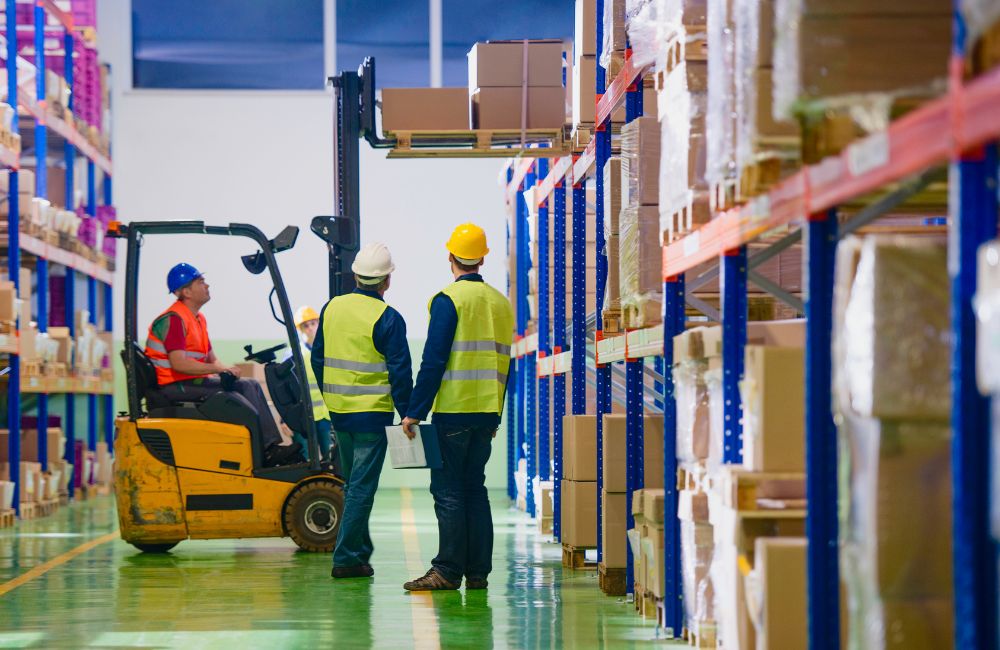
Long-Term Benefits of Avoiding These Mistakes
Avoiding these common forklift rental mistakes can lead to significant long-term benefits for your business.
- Improved Efficiency and Safety: By avoiding the mistakes outlined above, you can ensure that your forklift rental process is efficient and safe. Proper planning, operator training, and maintenance practices contribute to smoother operations, reduced risk of accidents, and improved productivity. When forklifts are used efficiently, your projects are more likely to be completed on time and within budget, resulting in a positive impact on your bottom line.
- Cost Savings and Better ROI: Avoiding mistakes in forklift rental can result in substantial cost savings. By choosing the right forklift and maximizing its use, you can get the most out of your rental without incurring additional costs. This not only improves your bottom line but also increases the return on investment (ROI) from your forklift rental. Additionally, by minimizing downtime and preventing accidents, you can reduce the indirect costs associated with project delays and workplace injuries.
- Enhanced Reputation and Business Opportunities: Finally, by fostering a culture of safety and responsibility around forklift rental, you can enhance your company’s reputation. Clients and partners will appreciate your commitment to safety and efficiency, which can lead to stronger relationships and more business opportunities in the future. A strong reputation for responsible equipment use and project management can set your business apart from competitors and position you as a trusted partner in your industry.
Frequently Asked Questions
What are the average costs associated with forklift rental?
Forklift rental costs can vary widely depending on factors such as the type of forklift, rental duration, and geographic location. On average, you can expect to pay between $200 and $700 per day, with discounts available for longer rental periods. It’s important to get a detailed quote from the rental company to understand all costs involved.
Can I rent a forklift for just one day?
Yes, many rental companies offer the option to rent a forklift for just one day, which is perfect for short-term projects. Daily rates may be higher than long-term rentals, but they provide the flexibility to meet immediate needs. Be sure to book in advance, as availability can be limited for short-term rentals.
What type of insurance do I need for forklift rental?
Most rental companies require you to have liability insurance to cover any potential damage or accidents during the rental period. In some cases, you may also need equipment damage insurance to protect the rented forklift itself. It’s crucial to check with the rental company about their specific insurance requirements before finalizing the rental agreement.
What is the minimum rental period for a forklift?
The minimum rental period for a forklift usually varies by rental company, but it is typically one day. Some companies may offer even shorter rental options, such as hourly rates, for very brief tasks. However, daily rentals are more common, and rates can differ depending on the duration and type of forklift.
Can I rent a forklift without a commercial driver’s license (CDL)?
Generally, you do not need a CDL to rent a forklift. However, you do need to ensure that anyone operating the forklift is properly trained and certified according to OSHA regulations. Most rental companies will ask for proof of certification before allowing you to rent the equipment.
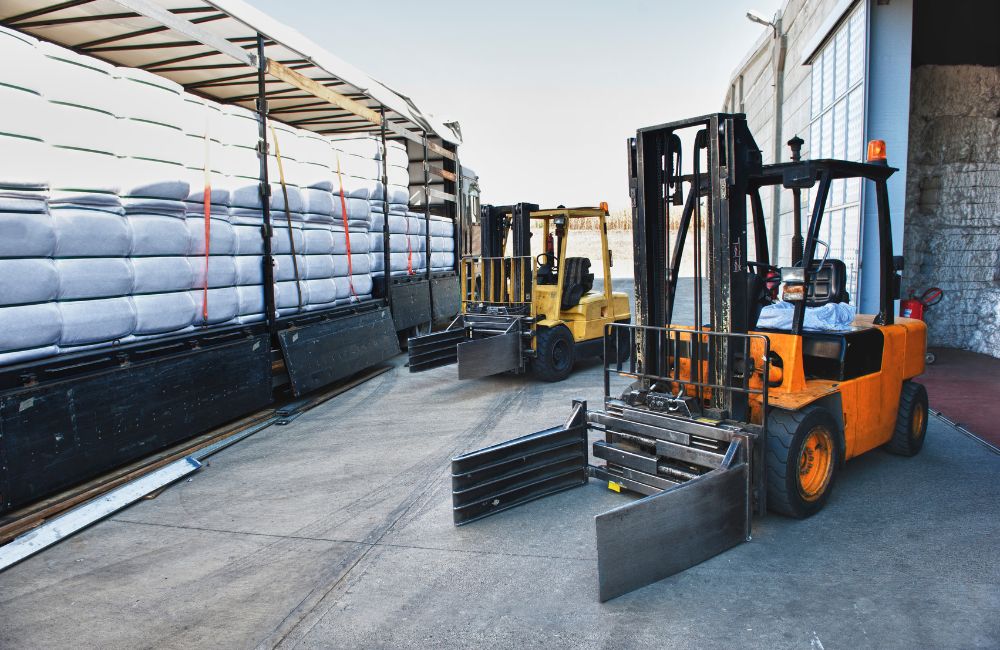
Get the Right Forklift Rental for Your Needs in Lauderdale Lakes, FL!
When it comes to forklift rental in Lauderdale Lakes, FL, trust Almeida Forklifts to provide the best equipment and service. Whether you need a forklift for a day or several months, Almeida Forklifts has the flexibility and expertise to meet your specific needs. Contact Almeida Forklifts in Lauderdale Lakes, FL, today to ensure your project runs smoothly and efficiently.
Visit us today!