
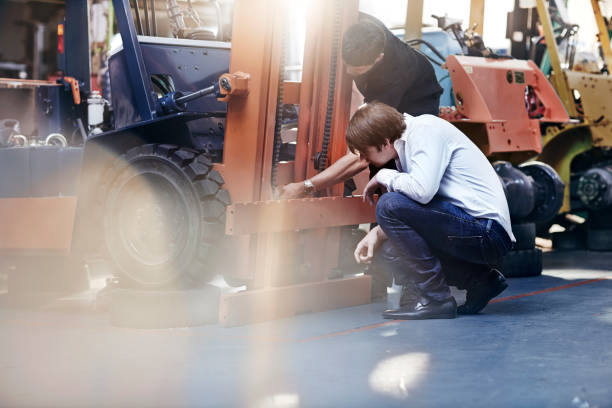
To inspect a sit down forklift before use, start with a careful visual check of the exterior for any signs of damage, wear, or leaks. Next, test all operational functions, including the brakes, steering, lift, and hydraulic systems, to ensure they work smoothly. Don’t forget to check fluid levels such as oil, coolant, and hydraulic fluid, and confirm that all safety features like lights, the horn, and the backup alarm are functioning properly.
According to recent reports, forklifts were the source of 67 work-related deaths in 2023, emphasizing how essential daily inspections are for preventing accidents and keeping operators safe.
Table of Contents
Key Takeaways
✔ A sit down forklift keeps operators seated for better comfort and control.
✔ Forklift inspections should be done before every shift.
✔ Before starting, check fluids, tires, forks, and safety parts.
✔ After starting, test brakes, steering, lift, and safety devices.
✔ Report and fix any issues before using the forklift.
✔ Follow safety rules and avoid overloading or unsafe moves.
✔ Watch for low fluids, worn tires, and hydraulic leaks.
What Is a Sit Down Forklift?
A sit down forklift is a type of powered industrial truck designed so the operator sits while driving, similar to a car. It’s commonly used indoors in warehouses, factories, and loading docks. The design allows for comfort during long shifts and makes it easier to control when moving heavy loads.
Key characteristics include:
- Operator sits during operation for comfort and stability
- Ideal for indoor environments like warehouses and manufacturing plants
- Designed for handling heavy materials with precision
- Easier to maneuver in tighter spaces compared to larger outdoor forklifts
These machines are built with sit down forklift controls that are simple and efficient, usually featuring:
- A steering wheel for directional control
- Pedals for acceleration and braking
- Hand levers to lift, lower, and tilt the forks
There are several variations of sit down forklifts, including the sit down clamp forklift, which has a special attachment for handling items like boxes, paper rolls, or drums without using traditional forks. This design is especially useful in industries that handle large or oddly shaped materials.
Many businesses also choose to purchase used forklifts for sale when expanding their fleet, as sit down forklifts are built for durability. With proper maintenance and regular inspection, they can remain safe, efficient, and reliable for years.
When Is the Proper Time to Perform a Forklift Inspection?
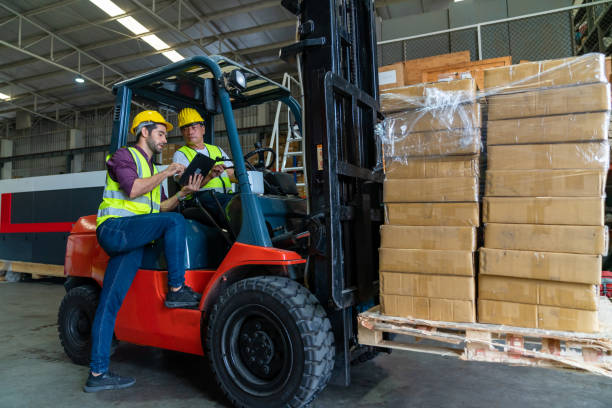
According to OSHA safety standards, every forklift sit down model should be inspected at least daily before use. The best time to do this is before the start of each work shift. If the forklift is used around the clock, an inspection should be done at the beginning of every shift by the new operator.
Forklift inspections are done in two main parts:
- Before starting the engine (visual inspection), checking for visible damage or issues.
- After starting the engine (operational inspection), making sure all mechanical and safety systems work correctly.
A good inspection routine helps catch small issues before they become bigger problems. Whether the equipment is new or one of the used forklifts for sale that’s been added to a company’s fleet, consistent checks protect both workers and investments.
Before Starting the Engine (Visual Inspection)
Sit down forklifts should always be visually checked before it’s turned on. This helps identify any visible damage or safety hazards early.
Fluids
Start by checking all essential fluids: engine oil, hydraulic fluid, coolant, and brake fluid. Each level should be within the correct range. If any are low, refill them before using the forklift. Also, look underneath for leaks. Leaks are a common sign of worn seals or loose hoses, which can lead to system failure.
Tires
Inspect all tires carefully. Look for cuts, cracks, bulges, or any unusual wear. For pneumatic tires, check air pressure to make sure it’s within the recommended range. For solid tires, look for deep gouges or missing chunks. Remove any debris stuck in the treads. A sit down forklift relies heavily on tire condition for safe movement and balance.
Forks and Mast
Examine the forks for cracks, bends, or worn edges. Forks that aren’t straight can make lifting uneven and unsafe. Check that the retaining pins are secure and not damaged. The mast should also move smoothly without signs of rust or damage.
Hoses and Belts
Look closely at all hoses and belts. Check for signs of cracking, leaks, or fraying. Make sure all hydraulic hoses are properly connected and secured. A leak in this system can cause hydraulic failure during lifting operations.
Safety Equipment
Confirm that the overhead guard, load backrest, and all safety decals are present and in good condition. These protect both the operator and others in the area.
General Condition
The operator compartment should be clean and free from clutter. Any debris inside can interfere with pedals or levers. Look for loose bolts, damaged panels, or anything that appears unusual. A well-kept sit down forklift shows signs of proper maintenance and care, whether it’s new or one of the many used forklifts for sale on the market.
After Starting the Engine (Operational Inspection)
Once the visual check is complete, start the engine and test all operational systems.
Brakes
Press the foot brake to confirm it stops the sit down clamp forklift smoothly. Test the parking brake to ensure it holds the machine in place. The “deadman” or seat brake should automatically stop the unit when the operator lifts off the seat. These systems are essential for a forklift sit down model since the operator remains seated at all times.
Steering
Turn the steering wheel fully in both directions. The movement should be smooth, with no stiffness or looseness. Any resistance or excessive play could mean worn steering components.
Lift and Tilt Functions
Operate the lift and tilt controls. The forks should move up and down without jerking. Use the tilt feature to make sure the mast moves forward and backward evenly. These sit down forklift controls should feel responsive and consistent.
Hydraulic Controls
All hydraulic controls should work smoothly. Delayed or jerky motion could indicate air in the system or low hydraulic fluid.
Safety Devices
Activate the horn, lights, and backup alarm. These are key for alerting others in busy work environments. If any of these don’t function properly, the sit down clamp forklift should not be used.
Gauges
Check that all gauges, fuel, battery, and temperature, are functioning and display normal readings. Faulty gauges can hide serious engine or electrical problems.
Listen for Unusual Sounds
While the engine is running, listen carefully for knocking, squealing, or grinding noises. Unusual sounds often mean mechanical wear that needs immediate attention. Keeping an ear out during each inspection helps catch problems early.
Even used forklifts for sale can run like new when operators pay attention to these small but important details during operational checks.
After the Inspection
When the inspection is complete, any issues found should be reported right away. The forklift should not be used until the problem has been fixed. Continuing to use damaged equipment can lead to serious injury or costly breakdowns.
Operators should fill out a forklift inspection report after each check. This document helps track maintenance history, spot repeat problems, and prove compliance with workplace safety standards.
A well-documented inspection routine adds value to a company’s equipment, especially when reselling or evaluating used forklifts for sale.
What Are the Essential Do’s and Don’ts When Operating a Forklift?
Do’s
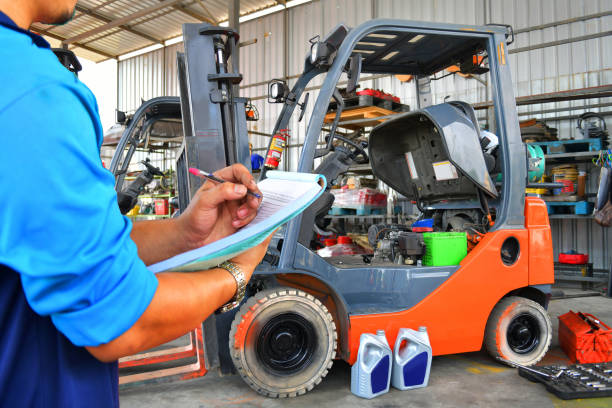
- Do wear proper safety gear such as helmets and reflective vests.
- Do follow the manufacturer’s operating instructions for sit down forklift controls and safe handling.
- Do perform daily inspections before every shift.
- Do keep hands and feet inside the operator compartment at all times.
Don’ts
- Don’t overload the forklift or lift materials beyond its rated capacity.
- Don’t drive too fast, especially in tight spaces or near pedestrians.
- Don’t ignore warning signs, flashing lights, or unusual noises.
- Don’t leave a forklift sit down model running unattended.
Following these do’s and don’ts helps maintain a safe workspace and keeps both operators and equipment protected.
Common Issues Found During Sit Down Forklift Inspections
Even with regular maintenance, certain issues tend to appear more often during inspections. These problems can affect safety and performance if not caught early. Below is a list of the most common issues operators should look for:
- Low fluid levels
- Worn or damaged tires
- Broken or non-working lights
- Loose bolts or fittings
- Hydraulic hose leaks
- Cracked or bent forks
- Worn belts
- Faulty brakes
- Damaged safety decals or guards
- Malfunctioning gauges or warning indicators
- Steering issues or excessive play
- Battery corrosion or weak charge
- Unusual noises during operation
- Damaged load backrest or overhead guard
- Oil or fuel leaks under the forklift
Frequently Asked Questions (FAQs)
Who is responsible for performing forklift inspections?
Forklift inspections should be performed by the operator who will be using the equipment. Operators are trained to identify issues that might affect performance or safety. Supervisors should review inspection reports regularly to ensure all findings are properly addressed.
What happens if a forklift fails inspection?
If a forklift fails inspection, it must be taken out of service immediately until the problem is repaired. Using a faulty forklift can cause accidents or injuries. The issue should be reported and documented before the machine is returned to operation.
How long does a standard forklift inspection take?
A basic inspection usually takes between 10 to 15 minutes. The time can vary depending on the condition of the forklift and how thorough the check is. Taking a few extra minutes for a complete inspection is always worth the added safety.
Can a used forklift be as safe as a new one?
Yes, a used forklift can be as safe as a new one when properly maintained. Almeida Forklifts ensures every unit is fully inspected, fitted with new parts, and serviced with Class 3 and Class 4 preventative maintenance, including all fluid changes. Each purchase also includes the first maintenance service free for lasting reliability and safety.
How do weather conditions affect forklift inspections?
Cold or wet conditions can make certain issues, like tire wear or brake performance, worse. Operators should pay extra attention to traction and fluid levels in extreme weather. Always dry off surfaces and check visibility before starting work.
Get Expert Forklift Support in Lauderdale Lakes, FL, with Almeida Forklifts!
Reliable forklift performance starts with trusted local experts. Almeida Forklifts provides professional inspection, repair, and maintenance services in Lauderdale Lakes, FL, ensuring every sit down forklift operates safely and efficiently. Whether handling daily warehouse operations or preparing a fleet for heavy workloads, our team at Almeida Forklifts delivers dependable service and long-term equipment care throughout Lauderdale Lakes, FL.
Contact Almeida Forklifts today to schedule professional forklift service in Lauderdale Lakes, FL!