
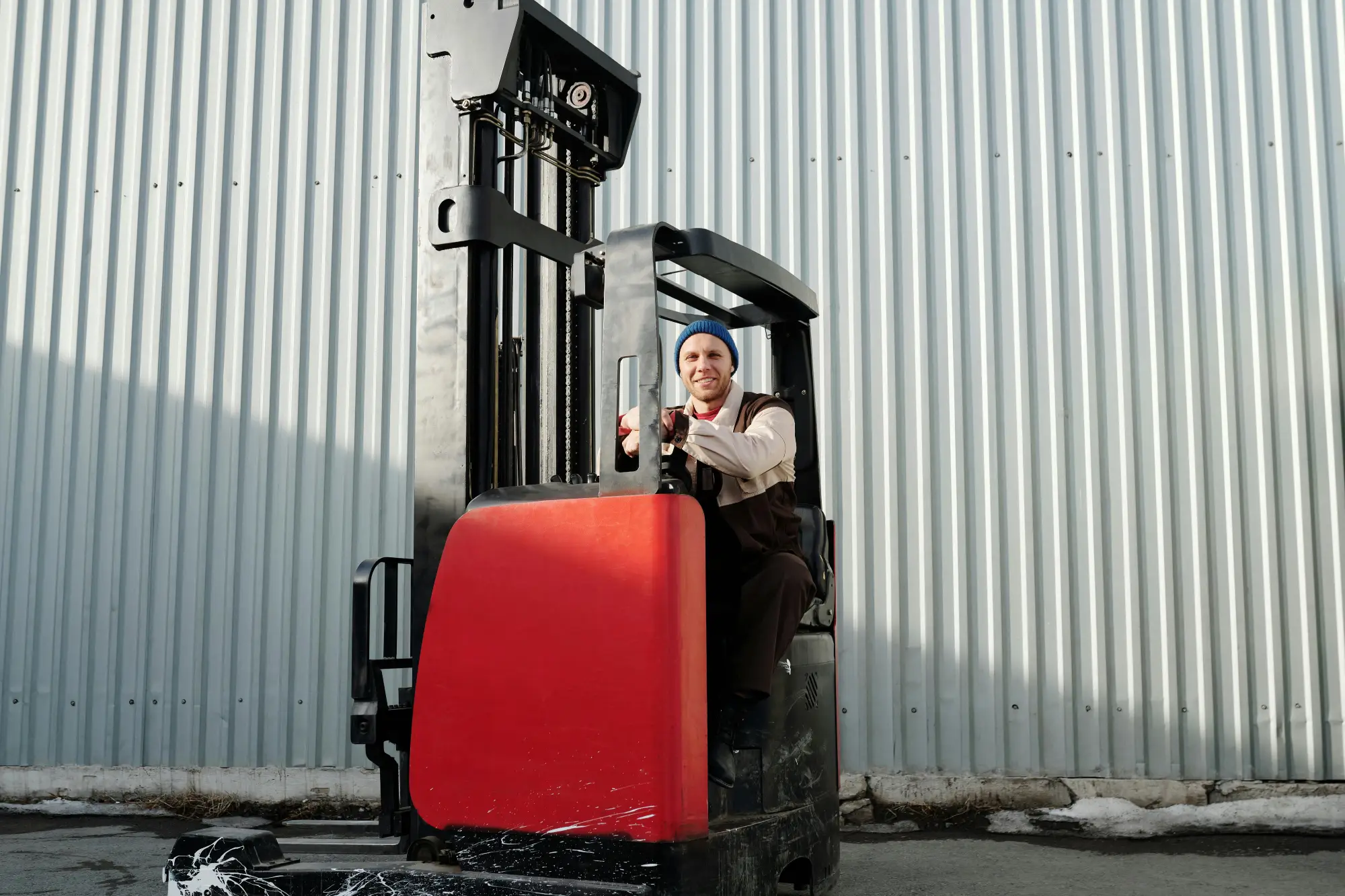
To extend a forklift’s lifespan and maintain machine reliability, it’s essential to perform consistent maintenance tasks such as checking and changing fluids (oil, coolant, and hydraulic fluid), replacing air filters, lubricating moving parts, and inspecting for leaks or signs of wear.
Regular upkeep not only prevents internal engine damage but also minimizes downtime, reduces production losses, enhances operational efficiency, ensures workplace safety, and significantly extends the overall life of the equipment.
Table of Contents
Key Takeaways
✔ A forklift engine powers lifting and movement using diesel, propane, or electricity.
✔ Regular maintenance keeps the engine efficient and long-lasting.
✔ Service is recommended every 200–250 operating hours.
✔ Removing keys prevents unauthorized use and improves safety.
✔ Proper care allows a forklift to last 10,000–20,000 hours.
What Is a Forklift Engine?
A forklift engine powers the machine that lifts and transports materials. It can run on different energy sources such as diesel, propane, or electricity. Each type offers unique benefits.
A propane forklift engine runs on liquid propane gas and is known for being cleaner and more efficient indoors than diesel models. A forklift diesel engine provides strong power, making it perfect for outdoor or heavy-duty use. Electric models use rechargeable batteries and motors instead of fuel. Many businesses search for an electric forklift motor for sale to reduce emissions and energy costs.
3 Common Types of Forklift Engines
There are three main types of forklift engines, each designed for specific environments and workloads.
-
-
Diesel Forklift Engines
-
Known for durability, these engines can handle rough terrain and long hours. A forklift diesel engine delivers high torque and performance but requires regular oil and filter changes.
-
-
Propane Forklift Engines
-
A propane forklift engine burns cleaner than diesel, producing less smoke and odor. It’s ideal for warehouses and indoor operations where air quality matters.
-
-
Electric Forklift Motors
-
Powered by rechargeable batteries, these are quiet, energy-efficient, and easy to maintain. Companies often consider an electric forklift motor for sale when upgrading to an eco-friendly fleet.
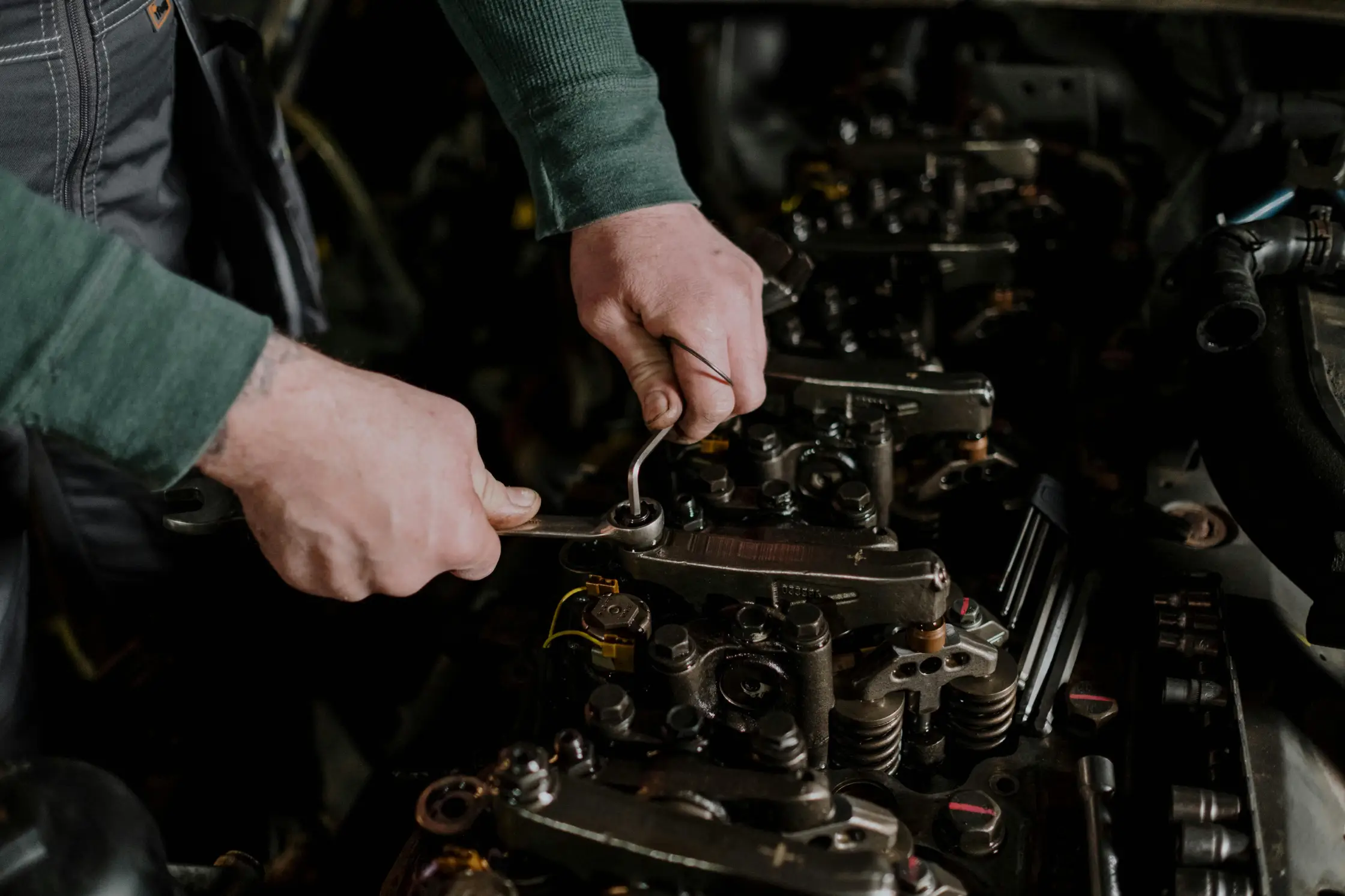
7 Key Maintenance Tips for a Longer Forklift Engine Lifespan
1. Monitor and Manage Fluids
Keeping the right fluid levels is one of the simplest yet most effective ways to extend a forklift’s lifespan. When fluids are low or contaminated, engines can overheat, corrode, or wear out quickly. Proper monitoring ensures smooth operation and prevents costly repairs.
-
- Check Engine Oil Regularly: Inspect the engine oil before every shift. Low or dirty oil can cause friction, leading to overheating and internal damage to the forklift engine.
- Inspect Coolant Levels: Verify that coolant is filled to the appropriate level to prevent overheating, especially in a forklift diesel engine that operates under high temperatures.
- Monitor Hydraulic Fluid: Hydraulic systems power lifting functions. Keeping this fluid clean ensures smooth and responsive lifting performance.
- Look for Leaks: Even small leaks in hoses or fittings can lead to larger mechanical issues if ignored. Address leaks immediately to prevent fluid loss and system failure.
2. Adhere to the Oil Change Schedule
Following the manufacturer’s oil change schedule keeps the forklift engine clean and well-lubricated. Regular oil changes prevent buildup that can affect engine performance.
-
- Follow Operating Hour Guidelines: Change oil every 250–500 hours of use, depending on whether the forklift has a propane forklift engine or a forklift diesel engine.
- Replace Oil Filters During Each Change: Old filters trap contaminants that can circulate back into the engine, reducing efficiency.
- Use the Correct Oil Type: Always use oil recommended by the manufacturer to ensure proper viscosity and protection under different working conditions.
- Keep Records: Track oil changes in a maintenance log to ensure consistency, especially for forklift rental units with shared usage.
3. Replace Filters Routinely
Clean filters protect a forklift engine from dust and debris, ensuring better airflow and combustion. Replacing them on schedule improves performance and fuel economy.
-
- Air Filter: Change the air filter often to prevent dirt and debris from entering the combustion system. This step is essential for forklift diesel engine performance.
- Fuel Filter: Replace fuel filters to keep contaminants from reaching injectors. Dirty filters can cause poor fuel flow and stalling in propane forklift engines.
- Oil Filter: Install a new oil filter during every oil change to maintain optimal lubrication.
- Follow Manufacturer Timelines: Review the operator’s manual for recommended replacement intervals for specific forklift models or reconditioned forklift motors.
4. Lubricate and Tighten Moving Parts
Lubrication reduces friction, extending the life of moving parts and preventing costly breakdowns. Tightening ensures the machine stays stable during heavy operation.
-
- Apply Lubricant to Key Areas: Regularly grease mast rollers, chains, and lift mechanisms to keep them moving smoothly and prevent rust.
- Tighten Bolts and Fasteners: Vibrations can loosen hardware over time, leading to unsafe operation. Tighten these components during every maintenance check.
- Use Proper Lubricants: Choose lubricants that suit the forklift’s working environment—heat-resistant for diesel models or moisture-resistant for electric ones.
- Include Electric Models: Even forklifts with an electric forklift motor for sale need proper lubrication of moving components to avoid wear.
5. Perform Regular Inspections
Routine inspections help identify small issues before they turn into expensive repairs. Consistent checks improve performance and safety.
-
- Check for Visible Damage: Examine hoses, belts, and wiring for wear or cracks that could cause leaks or electrical faults.
- Inspect Tires: Look for punctures, uneven wear, or cracks that affect balance and stability.
- Monitor Battery Terminals: For forklifts powered by an electric forklift motor for sale, check for corrosion on terminals and ensure tight connections.
- Look for Leaks or Exhaust Issues: Inspect propane forklift engines for fuel leaks and forklift diesel engines for soot buildup that may signal exhaust problems.
6. Keep It Clean
A clean forklift runs better and is easier to inspect for issues. Dirt buildup can trap heat, cause corrosion, and hide mechanical problems.
-
- Clean the Exterior and Undercarriage: Remove dust, oil, and grease to prevent corrosion and slipping hazards.
- Maintain a Clean Radiator and Filter Area: This helps propane forklift engines and forklift diesel engines maintain proper airflow for cooling.
- Protect Electrical Components: For electric forklifts, keep battery compartments and wiring dry and free from debris to prevent short circuits.
- Set a Cleaning Schedule: Make cleaning part of daily maintenance, especially for reconditioned forklift motors in frequent use.
7. Follow the Manufacturer’s Guidelines
Every forklift model has unique maintenance requirements based on its design and engine type. Following the manual ensures each component is cared for correctly.
-
- Refer to the Owner’s Manual: Use the manual to find exact maintenance intervals for fluids, filters, and lubrication.
- Use Approved Parts and Fluids: Manufacturers specify which materials maintain performance and safety standards.
- Record Completed Maintenance: Keeping track of completed services helps plan future maintenance and ensures compliance with safety regulations.
- Confirm with Rental Providers: For forklift rental fleets, verify that maintenance follows manufacturer guidelines to maintain warranty coverage and safe operation.
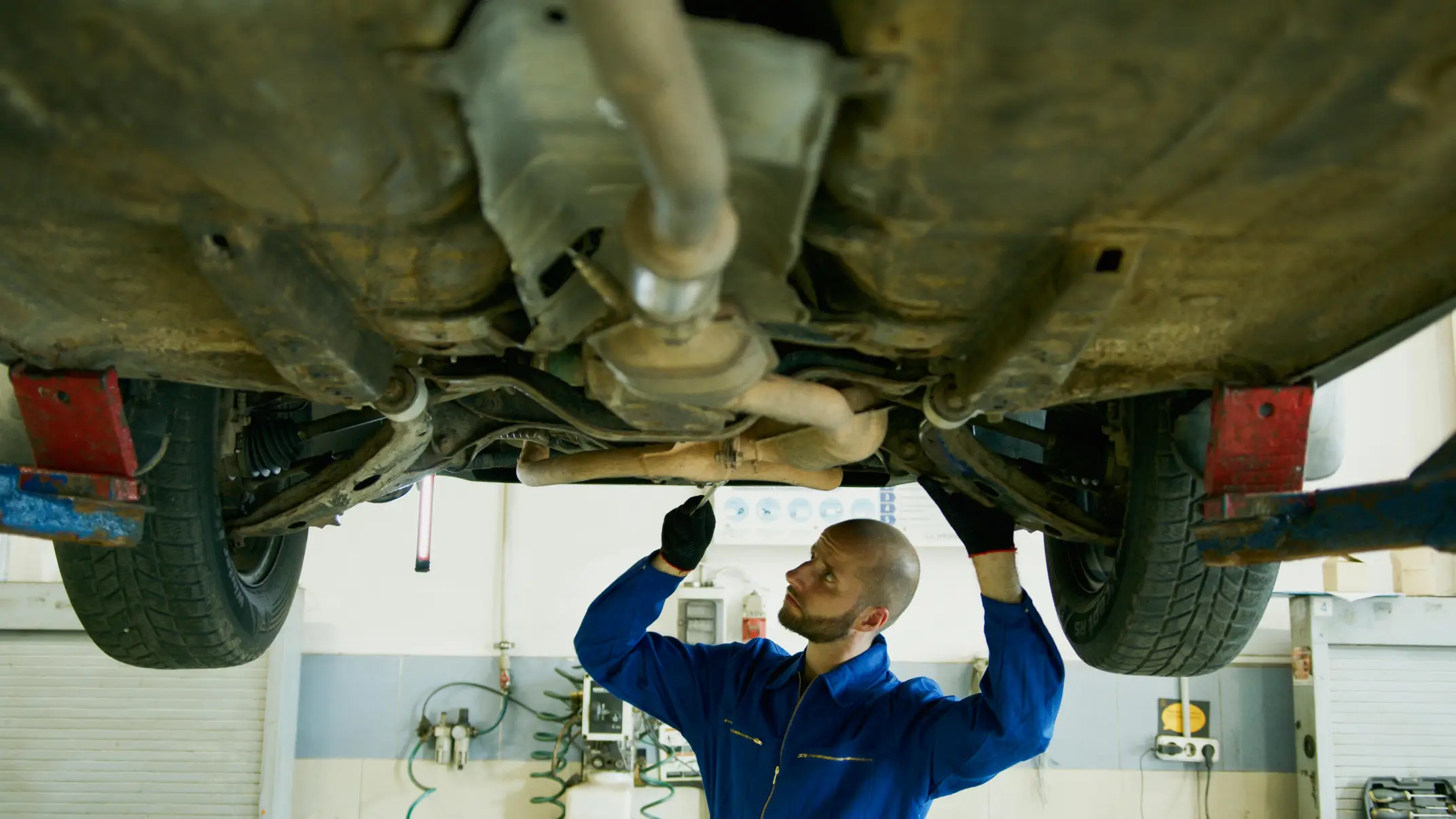
How Frequently Should a Forklift Be Serviced?
A forklift should be serviced based on operating hours rather than days or weeks. Most manufacturers recommend servicing every 250 hours of use. This schedule ensures that oil, filters, and fluids are replaced before they cause problems.
For heavy-duty machines like those with a forklift diesel engine, service might be required more often. A propane forklift engine usually runs longer between service intervals but still needs regular checks for leaks and gas line wear.
Businesses that rely on forklift rental services benefit because rentals are usually maintained on a strict schedule. Those using reconditioned forklift motors should also follow regular service intervals to ensure consistent performance.
Why Must the Keys Be Removed From a Forklift After Use?
Removing the keys from a forklift is a safety requirement. When the keys are left in the ignition, anyone could start the forklift without permission. This can lead to accidents, property damage, or injuries.
In many workplaces, even forklift rental machines follow strict policies to remove keys after use to meet safety standards and prevent unauthorized operation.
What Is the Typical Lifespan of a Forklift?
The lifespan of a forklift depends on how often it’s used, the type of engine it has, and how well it’s maintained. On average, a well-cared-for forklift engine lasts about 10,000 to 12,000 operating hours. With consistent care, that number can reach up to 20,000 hours.
A forklift diesel engine often lasts longer than propane or electric models because it’s built for heavy workloads. However, indoor operators may prefer a propane forklift engine for cleaner emissions and lower maintenance costs.
For electric units, many businesses now choose to buy an electric forklift motor for sale or a reconditioned forklift motor to extend their fleet’s lifespan while cutting costs. With over 60 percent of forklifts purchased today being electric, this shift highlights the growing preference for cleaner, low-maintenance options.
Rental fleets also prioritize regular maintenance to keep these machines reliable and efficient for long-term use.
Frequently Asked Questions (FAQs)
What are common signs that a forklift engine needs maintenance?
Common signs include difficulty starting, unusual noises, reduced lifting power, and visible smoke or leaks. A noticeable drop in fuel efficiency or performance can also indicate internal issues. Addressing these signs early prevents costly repairs and downtime.
How long does it take to perform a full forklift maintenance check?
A full maintenance check usually takes a few hours, depending on the forklift model and its condition. This includes checking fluids, filters, tires, and electrical systems. Regular upkeep helps minimize future repair time and improves reliability.
What is the best way to store a forklift when not in use?
Forklifts should be stored in a clean, dry area away from moisture and dust. The battery should be disconnected or charged periodically if the forklift will sit idle for long periods. Covering the forklift also protects it from environmental damage.
Why is tire inspection important for forklift maintenance?
Tires directly affect a forklift’s balance, traction, and safety. Worn or uneven tires can cause instability, strain the engine, and increase fuel consumption. Regular tire checks prevent accidents and extend the forklift’s overall lifespan.
Is it worth reconditioning an old forklift motor?
Yes, reconditioning can be a cost-effective alternative to buying a new one. A reconditioned forklift motor can restore performance and extend the machine’s usable life. It’s an ideal option for businesses wanting dependable performance without the cost of a full replacement.
Keep Forklift Performance Strong With Expert Engine Service in Lauderdale Lakes, FL!
Dependable equipment keeps operations moving smoothly, and Almeida Forklifts provides trusted forklift maintenance and repair services right in Lauderdale Lakes, FL. Skilled technicians ensure every forklift engine, from diesel to electric, is inspected, serviced, and performing at peak efficiency. Consistent care helps extend equipment lifespan, reduce costly downtime, and maintain safe workplace operations throughout Lauderdale Lakes, FL.
Contact Almeida Forklifts today to schedule professional forklift maintenance and keep every machine running at full power!