
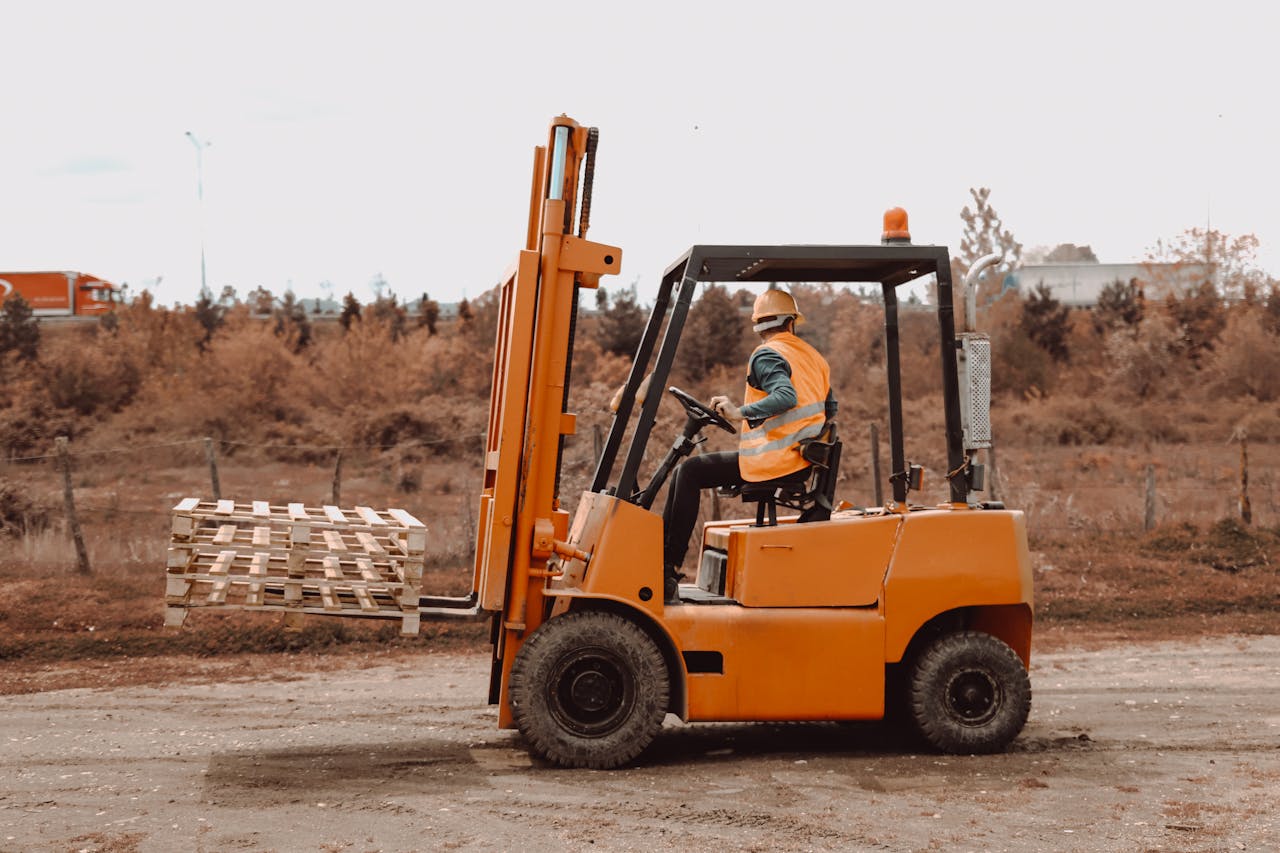
Whether you’re buying or considering a forklift rental, understanding how your machine is powered can directly affect your efficiency, maintenance costs, and bottom line. From lifting pallets in a climate-controlled warehouse to hauling heavy loads on construction sites, every operation demands a specific kind of power.
Let’s break down the two main types of forklift engines and help you decide which one aligns best with your business goals.
Table of Contents
Key Takeaways
✔ Choosing the right forklift engine directly impacts performance, cost, and efficiency.
✔ Internal combustion engines offer strong power for outdoor and heavy-duty operations.
✔ Electric forklift motors provide cleaner, quieter, and lower-maintenance performance.
✔ Proper engine identification and maintenance extend equipment lifespan and reliability.
✔ Partnering with a trusted provider like Almeida Forklifts ensures expert guidance and dependable solutions.
What Are the 10 Common Forklift Types Classification?
Before diving into engine types, it’s worth knowing the most common forklift classifications, since each is designed with specific performance and load-handling capabilities in mind:
- Counterbalance Forklift: The most common model for general use.
- Reach Truck: Ideal for warehouse shelving and narrow aisles.
- Pallet Jack (Manual & Electric): Compact and efficient for moving pallets.
- Order Picker: Perfect for high rack storage operations.
- Rough Terrain Forklift: Designed for outdoor and uneven surfaces.
- Side Loader: Great for handling long or wide materials.
- Telehandler: Combines forklift lifting with crane reach.
- Warehouse Forklift: Compact design for indoor logistics.
- Industrial Forklift: Handles extreme loads and heavy lifting tasks.
- Walkie Stacker: A battery-powered alternative to manual pallet jacks.
Each of these models relies on different forklift engines or power systems to perform efficiently. Let’s explore what powers them.
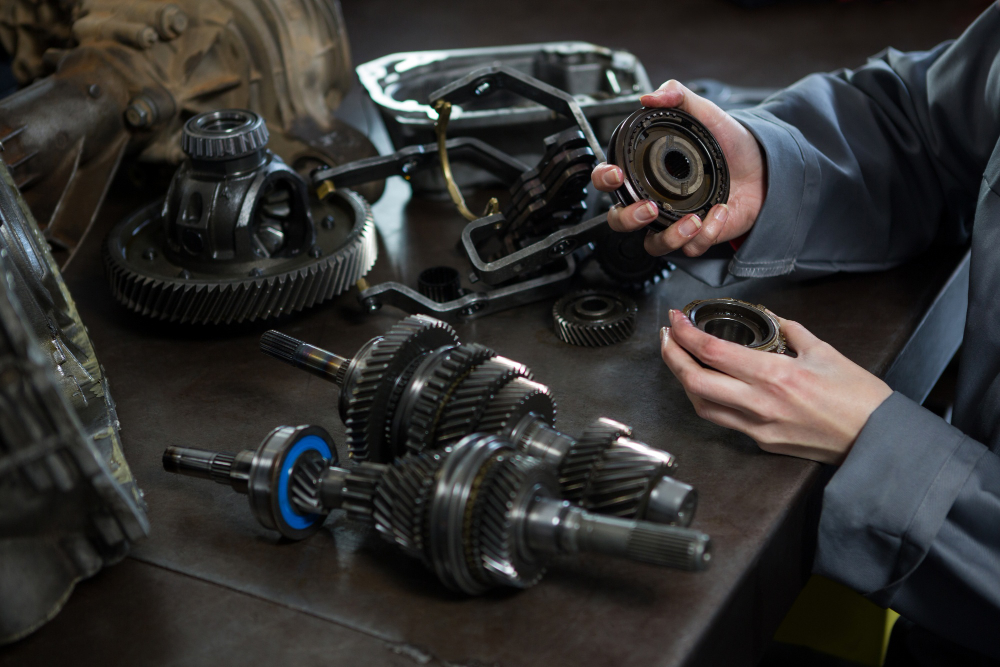
Different Types of Forklift Engines
Forklifts typically run on one of two power systems: internal combustion (IC) engines or electric motors. Understanding how these forklift engines work—and their advantages—can help you choose between raw power and clean energy efficiency.
1. Internal Combustion (IC) Engines
Forklifts powered by internal combustion engines account for roughly 34% of the global market, highlighting their continued importance across construction sites, manufacturing facilities, and outdoor logistics operations.
Propane (LPG) Engines
The propane forklift engine is a popular choice for businesses seeking flexibility and steady power. It’s a reliable middle ground between diesel strength and electric efficiency.
- Best for: Versatile use in both indoor and outdoor environments, such as warehouses with good ventilation or construction sites.
- How they work: The propane forklift engine uses liquefied petroleum gas (LPG) stored in replaceable tanks. This setup delivers consistent power with minimal downtime.
Pros
- Versatile use: Works well indoors and outdoors.
- Easy to refuel: Swap tanks in minutes—no charging required.
- Reliable performance: Maintains power levels even during long shifts.
Cons
- Emissions: Produces exhaust, so proper ventilation is needed indoors.
- Refueling and storage: Requires safe LPG tank handling and storage.
Diesel Engines
A forklift diesel engine remains the go-to for outdoor environments requiring brute strength and reliability.
- Best for: Demanding outdoor applications, such as heavy-duty lifting and rough terrain operations.
- How they work: The forklift diesel engine converts chemical energy from diesel fuel into mechanical power, delivering high torque and endurance.
Pros
- High torque and power: Ideal for lifting heavy materials.
- Lower fuel cost: Diesel tends to be more economical than propane.
- Durability: Withstands long hours and rugged conditions.
Cons
- High emissions: Not suitable for indoor use.
- Noisy operation: Louder than propane or electric models.
Gasoline Engines
While rare, gasoline-powered forklift engines can still serve specific industries that already manage large vehicle fleets.
- Best for: Operations that already have a fueling station and can accommodate gasoline-powered vehicles.
- How they work: A gasoline forklift engine generates mechanical power through internal combustion.
Pros
- Smooth performance: Offers better speed and throttle response than diesel.
- Cleaner operation: Produces fewer emissions compared to diesel engines.
Cons
- Limited availability: Less common than propane or dual-fuel forklifts.
- Higher setup costs: Requires dedicated fueling infrastructure.
2. Electric Motors
Today, over 60% of forklifts sold nationwide are electric, marking a clear shift toward cleaner, more energy-efficient operations. Whether you manage a warehouse, logistics hub, or distribution facility, investing in an electric forklift motor delivers immediate savings and lasting performance benefits.
Lead-Acid Battery
Lead-acid powered forklifts remain a dependable, budget-friendly choice for small to mid-sized indoor operations.
- Best for: Businesses with steady work shifts and planned downtime for charging.
- How it works: The lead-acid electric forklift motor uses lead plates submerged in sulfuric acid to create electrical energy.
Pros
- Affordable: Lower upfront cost than other battery types.
- Proven reliability: Trusted, time-tested power source.
Cons
- Slow charging: Requires full recharge cycles between shifts.
- Regular upkeep: Needs water refilling and battery maintenance.
Lithium-Ion Battery
Lithium-ion forklifts are ideal for businesses prioritizing uptime, sustainability, and long-term efficiency.
- Best for: Multi-shift operations that need fast charging and long-lasting performance.
- How it works: The lithium-ion electric forklift motor uses lithium ions to store and deliver energy, allowing partial “top-off” charging during breaks.
Pros
- Quick recharge: Charges rapidly between shifts.
- Long lifespan: Outlasts lead-acid batteries by years.
- Low maintenance: No watering or frequent upkeep needed.
Cons
- Higher cost: Greater initial investment than lead-acid.
- Battery monitoring: Needs proper management to prevent overcharging.
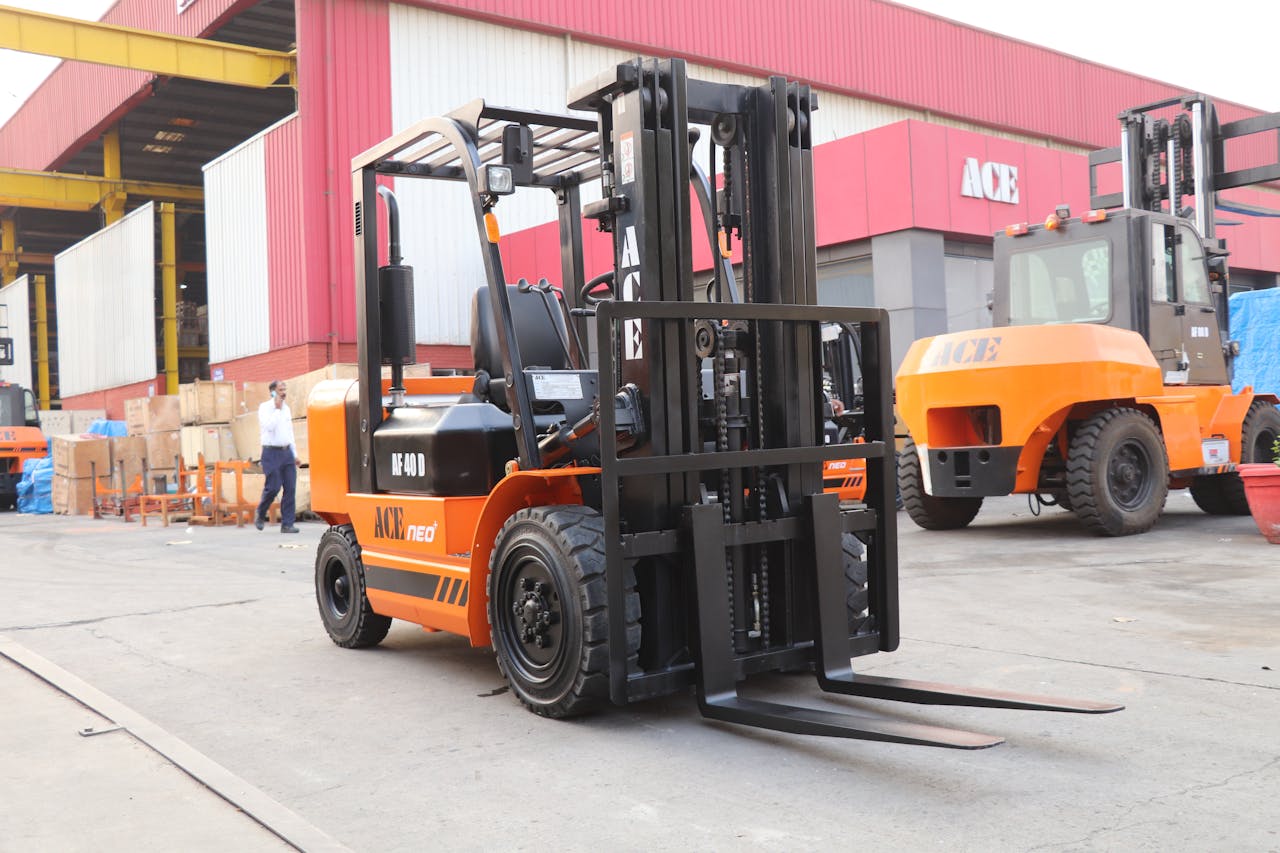
How Do I Identify My Forklift Engine?
Knowing your forklift engine type is crucial for accurate repairs, part replacements, and maintenance planning. Every forklift engine—whether diesel, propane, or electric—has unique specifications that determine compatible components and performance capabilities.
If you’re buying, renting, or maintaining a forklift, identifying your engine helps ensure:
- The right fuel type (diesel, propane, or electric)
- Proper service intervals and maintenance parts
- Accurate troubleshooting and performance optimization
How Do You Look Up an Engine Number?
Locating your forklift engine number is simple once you know where to look. This serial number provides essential information about the engine’s model, manufacturer, and production year.
Common places to find the engine number include:
- Chassis or frame plate: Usually stamped near the front or side of the lift truck.
- Engine block: Engraved directly on the metal casing.
- Data plate or nameplate: Typically lists engine model, fuel type, and capacity.
- Owner’s manual: Often includes engine specifications and serial location diagrams.
Once you’ve located the number, you can use it to:
- Order correct replacement parts for your forklift engine
- Verify compatibility when purchasing reconditioned forklift motors
- Confirm maintenance schedules for diesel, propane, or electric forklift motors
If you’re unsure how to identify your model or locate the serial number, the experts at Almeida Forklifts in Lauderdale Lakes, FL can help. Our team can quickly identify your forklift engine type and recommend the right components, upgrades, or forklift rental options to keep your business running smoothly.
What Is the Lifespan of a Forklift?
A well-built forklift engine can keep your equipment running efficiently for years—but like any machine, its lifespan depends on how it’s used and maintained. On average, most forklifts last around 10,000 operating hours, though top-quality brands and proper upkeep can extend that significantly.
Understanding Forklift Lifespan
Unlike vehicles measured in miles, forklift usage is tracked in hours. As a general rule:
- 200 forklift hours is roughly equivalent to 3,000 car miles.
- A typical forklift engine lifespan is about 10,000 hours, but many premium models (like Toyota or Hyster) can exceed 20,000 to 50,000 hours when properly serviced.
What Affects Forklift Lifespan
Several factors influence how long your forklift—and its engine—will last:
- Hours of use: Heavy, around-the-clock operations wear out engines faster.
- Work environment: Dust, heat, and uneven terrain can shorten life expectancy.
- Operator behavior: Smooth driving and proper load handling reduce strain on the forklift engine.
- Fuel type: Electric models often outlast diesel or propane forklifts due to fewer moving parts.
- Maintenance practices: Routine oil changes, inspections, and filter replacements can add years of service.
- Forklift brand: High-quality manufacturers design forklift engines built for longevity.
Where to Get Forklifts
Whether you’re expanding your fleet or need a temporary lift for a big project, finding the right forklift or forklift engine provider makes all the difference. In Lauderdale Lakes, FL, businesses trust Almeida Forklifts for reliable equipment, expert advice, and flexible options to suit every operational need.
How to Find a Forklift Rental
If you’re not ready to buy, a forklift rental offers an affordable way to access high-performance machines without long-term commitments. Here’s what to consider when looking for one:
- Local expertise: Choose a provider familiar with your industry’s equipment needs.
- Flexible terms: Look for daily, weekly, or monthly rental options to fit your project schedule.
- Engine options: Ask about propane, diesel, and electric forklift engines to match your work environment.
- Maintenance support: A reputable rental company should offer on-site service and quick replacements if needed.
How to Find an Electric Forklift Motor for Sale
Looking to upgrade or replace your existing power system? When searching for an electric forklift motor for sale, focus on quality, compatibility, and value.
- Check reliability: Opt for trusted suppliers who specialize in forklift parts and reconditioning.
- Compare new vs. reconditioned:
- New electric forklift motors deliver peak performance and longevity.
- Reconditioned forklift motors offer cost savings and dependable performance after professional restoration.
- Verify compatibility: Match your motor with your forklift’s model and voltage specifications.
- Ask for warranties: Quality suppliers back their products with service guarantees.
Frequently Asked Questions (FAQs)
What type of forklift engine is most cost-effective for small businesses?
For small operations, an electric forklift motor is often the most cost-effective long term. While the upfront price is higher, it offers lower maintenance costs and no fuel expenses compared to a propane forklift engine or forklift diesel engine.
Can I convert my diesel forklift to run on propane or electricity?
Converting a forklift diesel engine to propane is possible but not always practical due to cost and compatibility issues. Switching to an electric forklift motor usually requires a complete powertrain replacement. Consulting experts like Almeida Forklifts ensures safe and efficient conversions.
Are reconditioned forklift motors reliable?
Yes. Reconditioned forklift motors are restored, inspected, and tested to meet OEM standards. They’re an economical choice for businesses that want dependable performance without paying full price for a new electric forklift motor for sale.
How do weather conditions affect forklift engines?
Cold or humid environments can impact forklift engines differently. Diesel forklifts may struggle with cold starts, while electric forklift motors perform best indoors. Choosing the right engine type for your climate helps improve reliability and reduce downtime.
Is it better to rent or buy a forklift for short-term projects?
For short-term or seasonal operations, a forklift rental is the smarter choice. It lets you test different forklift engines—from diesel to electric—without a major upfront investment, while enjoying maintenance support from your provider.
Find the Right Forklift Engine for Your Business
The right forklift engine can transform your operation—saving money, boosting productivity, and aligning with your business goals.
Ready to power your business with the right forklift engine? Contact Almeida Forklifts in Lauderdale Lakes, FL, for expert advice, affordable forklift rental options, and a wide selection of new and reconditioned forklift motors designed to keep your business moving efficiently.