
Table of Contents
Key Takeaways
✔ Heavy haul equipment refers to oversized vehicles designed to safely transport large construction machines and materials that standard trucks cannot handle.
✔ Another common term for heavy machinery includes construction machines, construction equipment names, or simply construction machine.
✔ The most common types of heavy equipment include excavators, bulldozers, loaders, dump trucks, cranes, compactors, asphalt pavers, forklifts, telehandlers, motor graders, and trenchers.
✔ Excavators are the most frequently used type of construction equipment because of their versatility in digging, lifting, demolition, and material handling.
Heavy construction equipment plays a vital role in shaping infrastructure and supporting large-scale building projects. These powerful machines make it possible to handle tasks that would be nearly impossible with manual labor alone, from moving earth to lifting heavy loads.
The industry itself continues to expand rapidly—according to Cognitive Market Research, the global heavy lifting and haulage market was valued at USD 264,152.2 million in 2024 and is projected to grow at a compound annual growth rate (CAGR) of 6.00% from 2024 to 2031. This steady growth highlights just how essential heavy equipment is to modern construction and development.
What Does Heavy Haul Equipment Mean?
Heavy haul equipment refers to oversized transport vehicles used to move large construction machines or materials that cannot be carried by regular trucks. For example, when an excavator or bulldozer needs to be moved from one site to another, it is placed on a heavy haul trailer. These vehicles are specially designed to handle extra weight and size, ensuring that the equipment arrives safely and securely.
What’s Another Term for Heavy Machinery?
Heavy construction machinery is often referred to as:
- Construction Machines: This is a broad term that covers all the heavy-duty machines used in building, mining, or infrastructure projects. It emphasizes the role of the equipment as the main tool for carrying out large-scale construction work.
- Construction Equipment Names: This phrase is commonly used in guides, catalogs, or industry lists to help identify specific machines. It focuses on labeling and categorizing equipment types, which is useful for training, purchasing, or comparing machines.
- Construction Machine: This simpler term is often used to describe an individual piece of equipment. For example, someone might call a bulldozer or excavator a construction machine when speaking in a more general sense.
These terms are often interchangeable, though professionals may use them differently depending on the context.
12 Types of Construction Equipment
1. Excavators
Excavators are among the most recognized types of construction equipment on any job site, featuring a long arm with a bucket attached and mounted on tracks or wheels. They are used for digging trenches, lifting heavy objects, and performing demolition, making them one of the most versatile pieces of equipment in the industry.
In recent years, global demand for excavators has continued to rise due to major projects in road and port construction, mining, and oil and gas development. Advancements in design and technology, such as better fuel efficiency and enhanced performance, have also strengthened their role in modern construction, further increasing their widespread usage and market growth.
2. Bulldozers
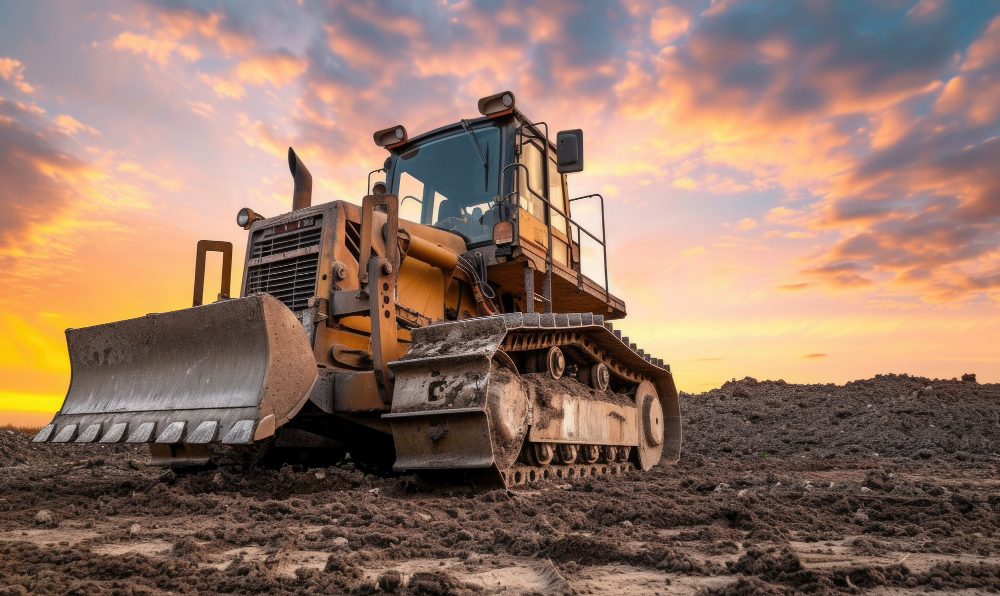
Bulldozers are large, powerful machines with a wide flat blade at the front. They are mainly used for pushing earth, clearing land, and grading rough terrain. Their strength makes them essential in both land development and road construction equipment projects. Bulldozers can quickly move soil, rocks, and other materials, helping prepare a site for further work.
3. Loaders
Loaders are designed to move large amounts of material from one place to another. There are two main types:
-
- Wheel Loaders: These loaders are large and strong, ideal for scooping and transporting gravel, sand, or soil over short distances.
- Skid Steer Loaders: Smaller and more maneuverable, these loaders can fit into tight spaces. They are versatile, as different attachments can turn them into trench diggers, sweepers, or even compactors.
Both types play a vital role in handling materials and keeping job sites organized.
4. Backhoe Loaders
Backhoe loaders are unique because they combine two functions in one construction machine. On one side, they have a backhoe arm for digging, while the other side has a loader for carrying materials. Their ability to perform multiple tasks makes them especially popular on smaller construction projects.
5. Dump Trucks
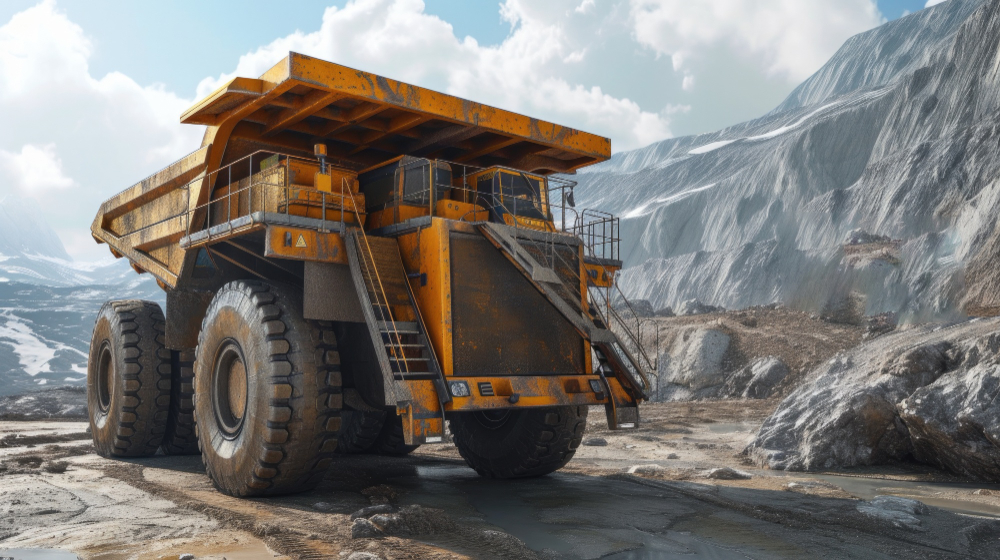
Dump trucks are used to transport loose materials such as sand, gravel, or dirt. Their tilting beds allow quick unloading, which saves time on projects. These trucks are crucial in both large-scale building sites and road projects where materials need to be moved frequently.
6. Cranes
Cranes are built for lifting heavy loads to great heights. There are different types, but two are the most common:
-
- Tower Cranes: Seen mostly on high-rise building projects, they can lift heavy materials like steel beams or concrete slabs.
- Rough Terrain Cranes: These mobile cranes are designed to move across uneven construction sites, making them perfect for projects where stability and flexibility are key.
Cranes are essential in handling materials that other construction machines cannot move safely.
7. Compactors/Rollers
Compactors, also called rollers, press soil, asphalt, or other materials to create a firm, stable base. They are often used in road construction equipment because compacted surfaces are necessary for strong and durable roads. Without proper compaction, roads and building foundations may not last long.
8. Asphalt Pavers
Asphalt pavers are machines that lay down asphalt evenly over a surface, such as roads, parking lots, or driveways. After laying, a roller usually follows to smooth and compress the surface. This process ensures strong, flat, and long-lasting pavement.
9. Forklifts
Forklifts are lifting machines designed for moving heavy loads over short distances. They are commonly used to transport materials like pallets of bricks, bundles of lumber, or heavy tools across the construction site.
When reliability and safety matter most, many contractors trust providers like Almeida Forklifts, known for offering durable and efficient machines that keep projects running smoothly.
10. Telehandlers
A telehandler is a special type of forklift with a telescopic boom. This feature allows it to extend forward and upward, reaching areas where regular forklifts cannot. These machines are especially helpful for lifting materials to higher levels of a building under construction.
11. Motor Graders
Motor graders are long machines with a large blade in the middle. They are used to smooth and level the ground, often after bulldozers have pushed large amounts of material. In road construction equipment, graders are critical in creating flat and even surfaces before paving begins.
12. Trenchers
Trenchers are powerful machines designed to dig long, narrow channels in the ground. They are especially important for tasks such as laying pipelines, installing underground cables, or creating drainage systems for water management.
Depending on the project, trenchers come in different sizes, ranging from compact walk-behind models for smaller jobs to large tracked machines capable of handling tougher soil and rock. Modern trenchers are also built with advanced features that improve precision and efficiency, making them an essential part of many construction and utility projects.
Which Type of Heavy Equipment Is Used the Most?
Among all the types of construction equipment, excavators stand out as the most widely used. Their flexibility allows them to dig, lift, demolish, and move materials efficiently. Because they can perform so many tasks, they are often the first machines brought to a construction site.
Bulldozers and loaders also rank high in terms of usage, especially in projects that involve clearing land and moving large amounts of earth. In road construction equipment, compactors and asphalt pavers are indispensable because of their role in creating strong, reliable surfaces.
For material handling, however, forklifts remain essential — and working with reputable suppliers like Almeida Forklifts helps ensure construction crews always have dependable equipment on hand.
Frequently Asked Questions (FAQs)
How long does heavy construction equipment usually last?
Most heavy construction equipment can last 10–15 years with proper care, though some machines last much longer. Regular maintenance, timely part replacements, and safe operation play a big role in extending their lifespan. The type of work also affects durability, as machines used on tougher terrains wear out faster.
What safety measures are important when operating heavy equipment?
Operators should always wear protective gear like helmets, gloves, and steel-toed boots. Machines should only be run by trained personnel who understand the controls and safety guidelines. Routine inspections before and after use help prevent accidents and ensure the equipment works properly.
How do contractors decide which equipment to use on a project?
Contractors choose equipment based on the specific tasks at hand, such as digging, lifting, or paving. They also consider the size of the site, the type of material being moved, and the project’s timeline. Cost, availability, and efficiency often influence the final decision.
Can heavy construction equipment be rented instead of purchased?
Yes, many companies rent out heavy construction equipment for short- or long-term projects. Renting is often cost-effective for contractors who do not need the machines full time. It also allows access to the latest models without the expense of ownership.
Trusted providers such as Almeida Forklifts not only sell dependable forklifts but also offer rental options, making it easier for contractors to get the right equipment when they need it without a long-term commitment.
What kind of training is required to operate heavy machinery?
Operators usually need specialized training programs or certifications depending on the machine. Training covers equipment controls, safety practices, and emergency procedures. In many regions, official licenses are required before handling large machines like cranes or excavators.
Equip Your Lauderdale Lakes Build with Trusted Forklifts & Construction Machines
Heavy-duty work requires dependable machines, and that’s where Almeida Forklifts delivers. Serving Lauderdale Lakes, FL, our fleet of forklifts and material-handling equipment is built to keep projects moving efficiently. From rentals to long-term solutions, contractors in Lauderdale Lakes, FL count on Almeida for strength, durability, and trusted support on every job site.
Call Almeida Forklifts today and secure the equipment needed to keep progress on track!