
The Most Essential Caterpillar Forklift Parts and Their Functions
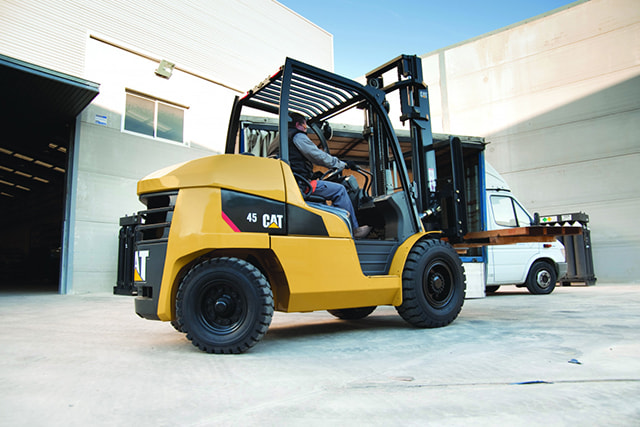
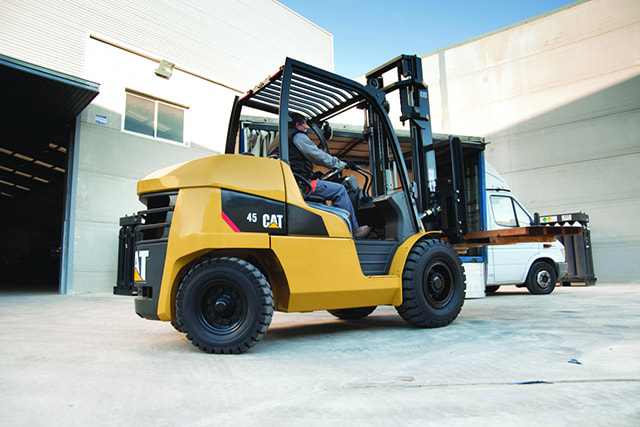
Caterpillar forklifts are known for their durability, efficiency, and ability to handle demanding material handling tasks across industries. Like any heavy machinery, their performance relies on well-maintained parts that keep operations running smoothly and safely. From lifting mechanisms to powertrain components, each part plays a vital role in ensuring reliability, efficiency, and operator safety. Understanding these essential components helps businesses maximize uptime, reduce costly repairs, and extend the lifespan of their equipment.
Here are five of the most essential Caterpillar forklift parts and their functions.
Key Takeaways✔ Genuine Caterpillar forklift parts ensure long-term performance, safety, and efficiency in demanding operations. ✔ The engine powers the forklift, requiring proper fuel, maintenance, and emission control for peak performance. ✔ The transmission regulates power transfer and torque, allowing smooth acceleration and load handling. ✔ The hydraulic system controls lifting and tilting functions, ensuring precise and stable load movement. ✔ Proper storage of Caterpillar forklift parts prevents damage, contamination, and unnecessary replacements. ✔ Routine maintenance, correct handling, and timely replacements extend the lifespan of forklift components. ✔ Identifying authentic Caterpillar forklift parts through serial numbers, packaging, and authorized dealers prevents costly counterfeit risks. |
1. Engine
The engine is the powerhouse of any Caterpillar forklift, converting fuel into mechanical energy to drive movement and lift loads. Caterpillar forklifts are equipped with robust engines designed for durability and high performance in demanding environments. Regular maintenance of the engine ensures optimal efficiency and prolongs the forklift’s lifespan.
Key Functions of the Engine
- Power Generation: The engine combusts fuel to produce mechanical energy, enabling the forklift to lift heavy loads and traverse various terrains. In Caterpillar forklifts, engines like the GCT GK21E and GK25E are known for their high power output and reliability.
- Fuel Efficiency Management: Advanced engine designs in Caterpillar forklifts optimize fuel consumption, balancing power needs with economical operation. Features such as electronic control modules (ECMs) precisely regulate fuel injection, ensuring efficient combustion and reduced emissions.
- Emission Control: Caterpillar engines are engineered to meet stringent emission standards, incorporating technologies like exhaust gas recirculation and catalytic converters. These systems reduce harmful emissions, making the forklifts environmentally friendly without compromising performance.
2. Transmission
The transmission in a Caterpillar forklift is responsible for transferring power from the engine to the wheels, allowing for controlled movement and smooth operation. It plays a crucial role in ensuring that the forklift accelerates, decelerates, and maneuvers efficiently. Regular maintenance of this system prevents performance issues and extends the lifespan of essential Caterpillar forklift parts.
Key Functions of the Transmission
- Power Transfer and Gear Shifting: The transmission efficiently distributes engine power to the drive wheels, ensuring smooth acceleration and deceleration. Automatic and hydrostatic transmissions provide seamless gear changes, reducing operator fatigue and improving productivity.
- Torque Conversion for Heavy Loads: Torque converters in Caterpillar forklifts adjust power output based on load demands, allowing for efficient handling of varying weight capacities. This feature enhances stability and prevents excessive strain on the drivetrain.
- Wear Reduction and Heat Management: High-performance transmission systems use advanced cooling mechanisms to dissipate heat, preventing overheating and premature wear. Proper lubrication and fluid changes help keep gears, bearings, and seals functioning optimally.
3. Hydraulic System
The hydraulic system is the driving force behind a Caterpillar forklift’s lifting and tilting functions. It uses pressurized fluid to generate power, allowing operators to lift, lower, and tilt loads with precision. Without a properly functioning hydraulic system, forklifts would struggle to handle heavy loads efficiently.
Key Functions of the Hydraulic System
- Lift and Tilt Mechanism: Hydraulic cylinders control the lifting and tilting of the mast, ensuring smooth vertical movement. High-pressure fluid pushes the piston inside the cylinder, providing the necessary force to lift heavy pallets and materials.
- Load Stability and Precision Control: The hydraulic system enables precise load positioning, allowing operators to adjust height and angle effortlessly. This precision is critical when stacking loads in tight warehouse spaces or transporting fragile materials.
- Pressure Regulation and Safety: Valves regulate hydraulic pressure to prevent excessive force from damaging internal Caterpillar forklift parts. Relief valves ensure the system operates within safe pressure limits, protecting both the forklift and its operator.
4. Mast and Lift Chains
The mast and lift chains form the structural backbone of a Caterpillar forklift, providing the support and movement needed to raise and lower loads. The mast consists of vertical channels that guide the forks, while lift chains play a vital role in distributing weight and stabilizing loads. Proper care of these components is crucial for lifting efficiency and safety.
Key Functions of the Mast and Lift Chains
- Vertical Load Movement: The mast allows for controlled raising and lowering of materials, ensuring stable stacking and transportation. Different mast configurations, such as duplex and triplex designs, accommodate various height requirements for warehouses and distribution centers.
- Weight Distribution and Load Support: Lift chains evenly distribute the weight of the load, preventing sudden shifts that could cause instability. High-tensile steel chains provide durability and strength, ensuring smooth and secure lifting operations.
- Shock Absorption and Structural Integrity: The mast’s rollers and bearings absorb shocks from uneven surfaces, preventing damage to Caterpillar forklift parts. Regular lubrication and alignment checks help maintain structural integrity and extend the lifespan of these essential components.
5. Braking System
The braking system is a critical safety feature in Caterpillar forklifts, ensuring controlled stops and preventing accidents. Whether operating in tight warehouse aisles or on uneven outdoor terrain, a reliable braking system is essential for safe material handling. Proper maintenance of brake components minimizes the risk of sudden failures and costly downtime.
Key Functions of the Braking System
- Stopping Power and Load Control: Forklift brakes provide the necessary friction to bring the vehicle to a complete stop, even when carrying heavy loads. Disc and drum brake systems are designed to handle high-impact stops, preventing uncontrolled movement.
- Emergency Braking and Operator Safety: Parking brakes and emergency braking systems ensure forklifts remain stationary when not in use. These features help prevent rollaways and enhance workplace safety by securing the forklift in place.
- Wear Prevention and Heat Dissipation: High-quality Caterpillar forklift parts in the braking system use advanced materials to withstand heat and friction. Regular inspections of brake pads, rotors, and hydraulic components prevent excessive wear and maintain optimal stopping performance.
How to Verify Genuine Caterpillar Forklift Parts
The used truck market size is expected to grow at a 9% CAGR from 2023 to 2032, making equipment longevity more important than ever. Using authentic Caterpillar forklift parts is essential for maintaining reliability, safety, and efficiency. Genuine parts are designed to meet strict quality standards, ensuring proper fit and performance. Identifying authentic components prevents premature failures, costly repairs, and potential safety risks.
1. Check the Part Number and Manufacturer Stamp
Every genuine Caterpillar forklift part has a unique part number assigned by the manufacturer. This number can be cross-referenced with official Caterpillar catalogs or dealer databases to confirm authenticity. In addition, original parts often feature an embossed Caterpillar logo or manufacturer stamp, which counterfeit parts may lack.
2. Purchase from Authorized Caterpillar Dealers
Genuine Caterpillar forklift parts are available through authorized dealers and certified distributors. Buying directly from Caterpillar or its approved sellers ensures parts come with a warranty and meet factory specifications. Unauthorized third-party sellers may offer cheaper alternatives, but these often lack proper quality control.
3. Examine Material Quality and Build Precision
Original Caterpillar parts are made from high-grade materials designed for durability and long-term performance. Counterfeit or substandard parts may have rough finishes, weaker alloys, or slight dimensional differences that can affect performance. Comparing a suspected fake part with an original helps detect inconsistencies in weight, texture, and overall build quality.
4. Verify Packaging and Labeling Details
Caterpillar uses high-quality, branded packaging with security seals to protect its forklift parts. Authentic parts come with clear labels, correct spelling, and barcodes that match the product details in the Caterpillar system. Poor-quality printing, missing labels, or mismatched barcodes are red flags that a part may be counterfeit.
5. Look for Holograms and Security Features
Some Caterpillar forklift parts include holographic security labels or QR codes that verify authenticity. These security features help prevent fraud and ensure customers receive original components. Scanning a QR code or checking the hologram against official Caterpillar guidelines provides an extra layer of confirmation.
Best Practices for Storing Spare Caterpillar Forklift Parts
In 2021, 2.1 million forklifts were sold worldwide. Proper storage of spare Caterpillar forklift parts helps maintain their quality, extend their lifespan, and ensure they are ready for use when needed. Poor storage conditions can lead to rust, contamination, or physical damage, reducing the reliability of essential components. Following best practices for organization, protection, and climate control prevents unnecessary wear and costly replacements.
1. Keep Parts in a Climate-Controlled Environment
Extreme temperatures and humidity can cause metal parts to rust, rubber components to crack, and electronic parts to degrade. Storing Caterpillar forklift parts in a climate-controlled warehouse or storage room prevents moisture buildup and protects sensitive materials. Using dehumidifiers and proper ventilation further reduces the risk of corrosion and material deterioration.
2. Organize Inventory with a Labeling System
A structured inventory system helps businesses quickly locate specific forklift parts when needed. Using barcodes, QR codes, or clearly labeled shelves ensures that each part is easily identifiable and traceable. Implementing an inventory management system reduces downtime and prevents the purchase of duplicate or unnecessary parts.
3. Use Protective Packaging to Prevent Damage
Many Caterpillar forklift parts are delicate and require proper packaging to avoid scratches, dents, or contamination. Storing smaller components in sealed plastic bags and wrapping larger parts in padded materials helps maintain their condition. Heavy-duty shelving units with protective padding further prevent accidental drops or compression damage.
4. Store Fluids and Lubricants Separately
Hydraulic fluids, engine oil, and lubricants should be stored away from solid forklift components to prevent leaks or spills from contaminating other parts. Using designated cabinets with spill trays ensures that any accidental leaks do not damage nearby materials. Keeping fluids in their original, sealed containers also preserves their chemical integrity and prevents contamination.
5. Rotate Stock to Prevent Part Degradation
Over time, rubber seals, gaskets, and electronic components can degrade, even when stored properly. Implementing a “first in, first out” (FIFO) system ensures older parts are used before newer ones, reducing the risk of storing expired or weakened components. Regular inventory checks help identify any parts that may need to be replaced due to aging or long-term storage effects.
Effective Ways to Extend the Lifespan of Caterpillar Forklift Parts
Maximizing the durability of Caterpillar forklift parts reduces operational costs, minimizes downtime, and improves overall efficiency. Regular maintenance, proper handling, and using high-quality replacement parts help prevent premature wear and unexpected failures. Following best practices ensures that forklifts remain reliable and perform at peak capacity for longer.
1. Follow a Preventive Maintenance Schedule
Routine inspections and servicing help detect minor issues before they turn into costly breakdowns. Checking hydraulic systems, brakes, and lift chains at recommended intervals prevents excessive wear on essential Caterpillar forklift parts. Keeping a maintenance log ensures all necessary repairs and part replacements are completed on time.
2. Use the Right Lubricants and Fluids
Proper lubrication reduces friction and prevents excessive heat buildup, which can damage moving parts. Using manufacturer-approved hydraulic oil, transmission fluid, and greases ensures compatibility and maintains optimal performance. Contaminated or low-quality fluids can cause internal damage, leading to costly repairs or part failures.
3. Train Operators on Proper Forklift Handling
Incorrect operation, such as sudden braking, overloading, or aggressive driving, puts unnecessary strain on forklift components. Well-trained operators follow best practices for lifting, maneuvering, and stopping, reducing stress on Caterpillar forklift parts. Providing refresher training ensures employees understand the impact of their driving habits on forklift longevity.
4. Store Forklifts in a Clean and Dry Environment
Exposure to dust, moisture, and extreme temperatures can cause corrosion, electrical failures, and premature wear. Parking forklifts indoors or under a covered area protects sensitive components from weather-related damage. Regularly cleaning forklifts also prevents debris buildup that can clog hydraulic lines or air filters.
5. Replace Worn Parts Before They Fail
Delaying part replacements can cause strain on surrounding components, leading to more extensive damage. Monitoring key wear indicators, such as thinning brake pads, stretched chains, or leaking seals, helps identify when replacements are needed. Using genuine Caterpillar forklift parts ensures long-term reliability and prevents unexpected failures.
Frequently Asked Questions (FAQs)
What is the best way to transport Caterpillar forklift parts safely?
When transporting Caterpillar forklift parts, it is essential to secure them properly to prevent damage. Fragile components like electronic sensors and hydraulic seals should be packed in protective padding, while heavy parts such as counterweights or transmissions should be strapped down securely. Using labeled containers and tracking shipments ensures that parts arrive undamaged and ready for installation.
How do seasonal temperature changes affect Caterpillar forklift parts?
Extreme heat can cause hydraulic fluid to thin out, reducing lifting efficiency, while cold temperatures can make lubricants thick and less effective. Rubber components, such as seals and tires, may crack in freezing conditions, leading to air leaks or traction issues. Proper climate-controlled storage and regular fluid checks help maintain the durability of Caterpillar forklift parts in fluctuating temperatures.
What are the most commonly replaced Caterpillar forklift parts?
Brake pads, lift chains, hydraulic hoses, and tires are among the most frequently replaced Caterpillar forklift parts due to constant wear. Filters, such as air and fuel filters, also require regular replacement to maintain engine efficiency. Monitoring these components for signs of wear ensures forklifts remain safe and operational.
Can Caterpillar forklift parts be refurbished instead of replaced?
Some Caterpillar forklift parts, such as hydraulic cylinders and transmissions, can be rebuilt or refurbished to extend their lifespan. Refurbishing involves disassembling, cleaning, and replacing worn components while keeping the original housing intact. However, safety-critical parts like brakes and electrical sensors should always be replaced with new, genuine components to ensure reliability.
Are there universal parts that fit all Caterpillar forklift models?
While some general components, like oil filters and tires, may fit multiple models, most Caterpillar forklift parts are designed for specific forklift types and capacities. Differences in mast height, engine type, and lifting mechanism require model-specific parts for optimal performance. Always check part numbers and manufacturer specifications before purchasing replacements to avoid compatibility issues.
Get Reliable Caterpillar Forklift Parts at Almeida Forklifts in Lauderdale Lakes!
Almeida Forklifts in Lauderdale Lakes, FL, is the trusted source for high-quality Caterpillar forklift parts that keep your equipment running strong. With a commitment to durability and performance, Almeida Forklifts offers a wide selection of genuine parts to ensure maximum efficiency and safety. Whether it’s hydraulic components, transmissions, or mast assemblies, their expert team helps businesses find the right fit for every repair or upgrade.
Don’t let downtime slow operations—visit Almeida Forklifts today for top-tier forklift parts and unmatched customer service!