
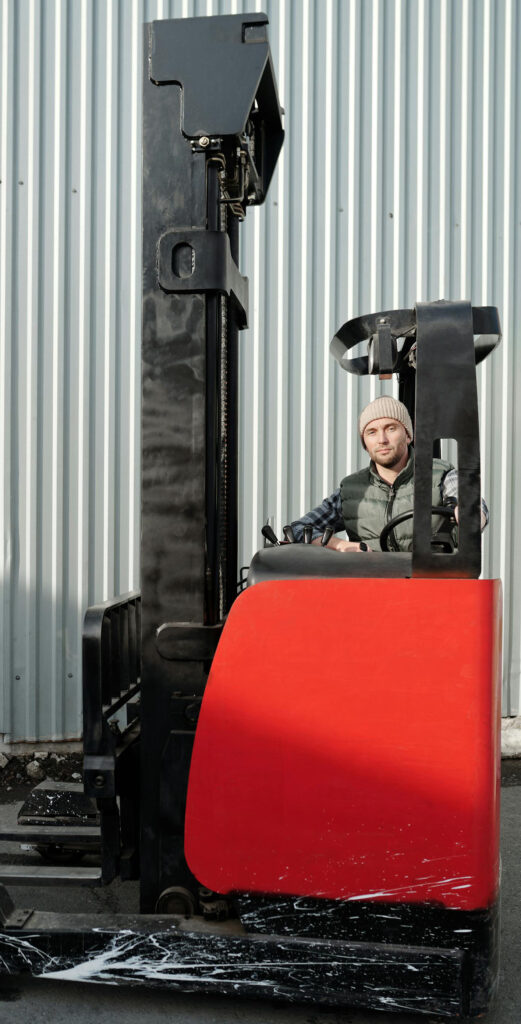
The forklift rental market is projected to grow to USD 8.17 billion with a 4.78% CAGR over the next five years. With its growing demand, managing costs effectively is crucial for maintaining profitability and operational efficiency in any business. Renting a forklift is often a necessary expense for warehouses, construction sites, or manufacturing plants, as these machines are essential for moving heavy loads and improving productivity. However, rental costs can add up quickly if not managed properly.
Here are seven practical tips to help you save money on your next forklift rental in Lauderdale Lakes, FL.
1. Plan Ahead
Planning is crucial for saving money on your forklift rental. By anticipating your needs and booking in advance, you can secure better rates and ensure the right equipment is available when you need it. Early planning helps you avoid last-minute expenses and makes the rental process smoother.
How to Plan Ahead
-
- Create a Detailed Schedule: Outline all the tasks that will require a forklift, including specific dates and times. This helps you rent the forklift only when necessary, avoiding extra days and unnecessary costs. A well-thought-out schedule ensures you make the most efficient use of the rental period.
-
- Book in Advance: Contact rental companies as soon as you know your project timeline to inquire about availability and discounts. Many companies offer early bird discounts or special rates for advance bookings, which can lead to significant savings. Securing your forklift rental early also gives you more options to choose from.
-
- Be Flexible with Timing: If possible, schedule your rental during off-peak periods when rates are lower. Rental companies often have slower times of the year or month, and being flexible with your dates can help you take advantage of these lower rates. This can lead to substantial cost reductions on your forklift rental.
2. Choose the Right Forklift for the Job
Selecting the appropriate forklift for your specific needs is essential to avoid unnecessary costs. Renting a forklift that is either too powerful or not powerful enough can lead to inefficiencies and increased expenses. By choosing the right forklift, you ensure that you’re getting the best value for your money.
How to Choose the Right Forklift for the Job
-
- Assess Your Needs: Evaluate the tasks that the forklift will be performing, including the weight and size of the loads and the operating environment. Understanding these requirements will help you select a forklift that matches your needs without overpaying for unnecessary capabilities. For example, an electric forklift might be perfect for indoor use, while a rough terrain forklift is better suited for outdoor construction sites.
-
- Consider Different Types of Forklifts: Familiarize yourself with the various types of forklifts available, such as electric, diesel, gas, and rough terrain models. Each type has its own strengths and is suitable for different applications. Choosing the right type ensures you’re not paying extra for features you don’t need. Discuss your specific requirements with the rental company to get recommendations on the most cost-effective option.
-
- Avoid Unnecessary Features: Some forklifts come with advanced features and accessories that may not be necessary for your job. While these features can be helpful, they also increase the rental cost. Opt for a forklift that meets your basic needs without the extra bells and whistles. This approach can lead to significant savings on your forklift rental.
3. Compare Rental Companies
Comparing different rental companies is a vital step in ensuring you get the best deal on your forklift rental. Prices and services can vary significantly between providers, so doing your homework can lead to substantial savings. By evaluating multiple options, you can find the most cost-effective solution that meets your needs.
How to Compare Rental Companies
-
- Research Multiple Providers: Start by gathering quotes from several rental companies. This allows you to compare prices, services, and availability. Don’t just go with the first company you find; instead, take the time to explore different options. This approach can help you identify the best forklift rental deals.
- Read Reviews and Ratings: Look for online reviews and ratings of the rental companies you are considering. Customer feedback can provide valuable insights into the quality of service and reliability of the equipment. Choose companies with high ratings and positive reviews to ensure a smooth rental experience and avoid potential issues.
- Check for Price Transparency: Ensure that the quotes you receive include all potential costs, such as delivery fees, fuel surcharges, and any additional charges. Some companies might have hidden fees that can significantly increase your rental cost. Clear and transparent pricing helps you make an informed decision and prevents unexpected expenses during the forklift rental period.
4. Negotiate Rental Terms
Negotiating the terms of your forklift rental in Lauderdale Lakes, FL, can lead to significant savings. Many rental companies are open to discussion, and you can often secure better rates or more favorable terms by simply asking. By being proactive in negotiations, you can reduce costs and get the most value from your rental.
How to Negotiate Rental Terms
-
- Ask for Discounts: Don’t hesitate to ask rental companies if they offer any discounts. Many companies provide discounts for long-term rentals, repeat customers, or bulk equipment rentals. By inquiring about these opportunities, you can lower your overall forklift rental costs.
- Negotiate the Rate: If you’ve found a lower rate from another company, use that as leverage to negotiate a better deal with your preferred provider. Explain your budget constraints and ask if they can match or beat the competitor’s price. Rental companies often have some flexibility with their pricing, especially if it means securing your business.
- Discuss Rental Duration: Rental terms can often be more favorable if you agree to a longer rental period. Discuss the possibility of extending the rental duration in exchange for a reduced daily rate. Conversely, if you only need the forklift for a short time, ask if there are any short-term rental discounts available. Being clear about your needs and flexible with your rental duration can help you find the best forklift rental deal.
5. Optimize Rental Period
Optimizing the rental period is key to saving money on your forklift rental. By carefully planning and managing the duration of your rental, you can avoid unnecessary costs and ensure you’re only paying for the time you actually need the equipment.
How to Optimize Rental Period
-
- Efficient Use of Time: Plan your tasks efficiently to make the most of the rental period. Create a detailed schedule that outlines exactly when you will need the forklift and for how long. This helps you avoid idle time when the forklift is not in use, ensuring that you’re getting the maximum benefit from the rental.
- Flexibility in Scheduling: If possible, be flexible with your rental dates. Rental companies often have lower rates during off-peak times, such as mid-week or outside of busy seasons. By adjusting your project schedule to align with these periods, you can take advantage of these reduced rates.
- Return on Time: Make sure to return the forklift promptly at the end of the rental period. Late returns can incur additional charges, which can quickly add up. Set reminders and plan for the return process in advance to avoid these extra fees. Being punctual with the return ensures you only pay for the time you actually used the forklift, keeping your rental costs in check.
6. Inspect the Equipment
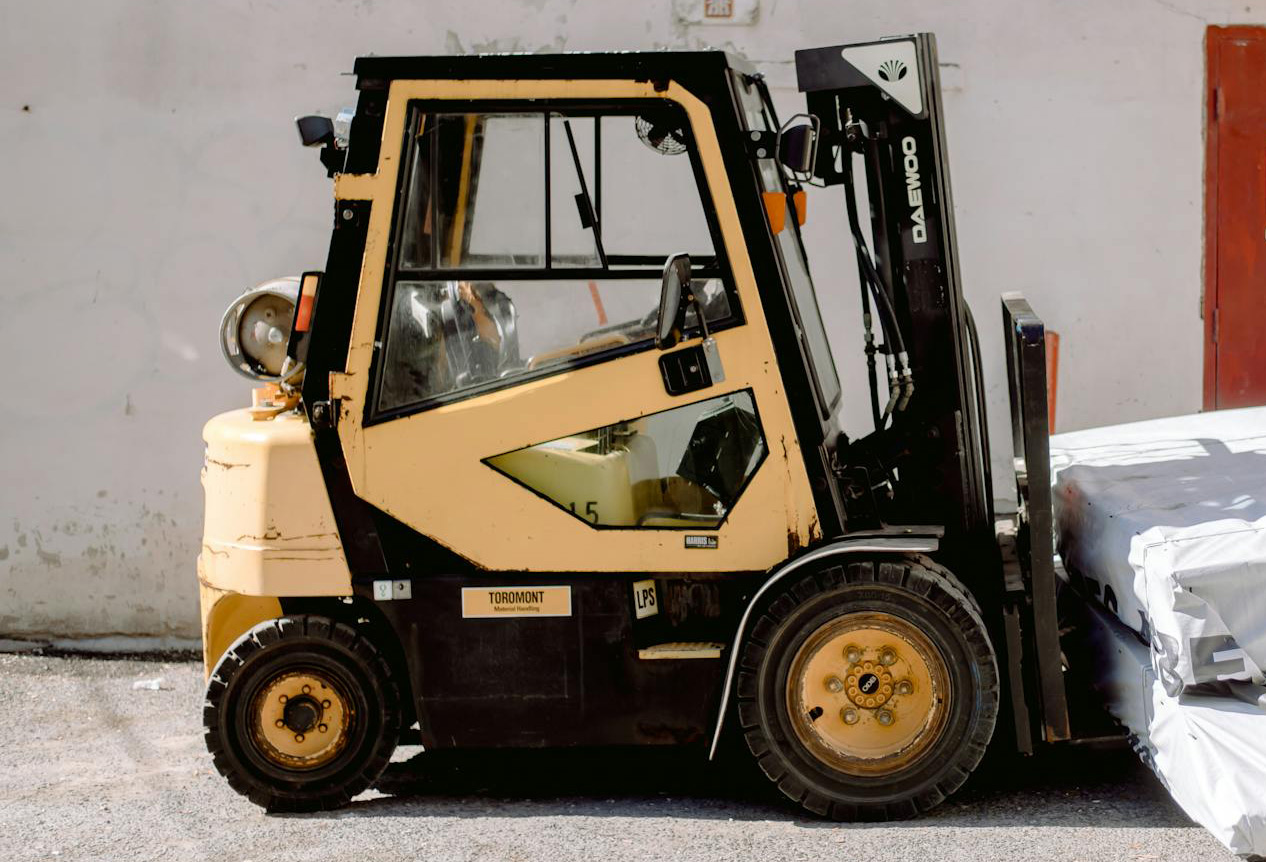
Inspecting the equipment before and during your rental period is crucial to avoid unexpected costs and ensure you are getting a reliable forklift. A thorough inspection can help you identify any pre-existing issues and maintain the forklift properly, preventing additional charges and downtime.
How to Inspect the Equipment
-
- Initial Inspection: Conduct a comprehensive inspection of the forklift upon delivery. Check for any visible damage, wear and tear, or operational issues. Document any pre-existing conditions with photos and report them to the rental company immediately. This ensures that you are not held responsible for damages that occurred before your rental period began.
- Regular Checks: Perform regular checks on the forklift during the rental period to ensure it remains in good working condition. Look for signs of wear, such as tire condition, fluid levels, and operational smoothness. Regular maintenance checks can help you catch small issues with both steel parts and other materials before they become major problems, reducing the risk of costly repairs and downtime.
- Proper Documentation: Keep detailed records of all inspections and maintenance activities. If any issues arise, report them to the rental company immediately and document your communication. Proper documentation helps you avoid disputes over damage responsibility and can serve as evidence if there are any disagreements about the condition of the forklift.
7. Understand the Rental Agreement
Understanding the rental agreement is essential to avoid unexpected costs and ensure you know your responsibilities and rights. The rental agreement outlines the terms and conditions of your forklift rental, and being familiar with these details can help you avoid hidden fees and potential disputes.
How to Understand the Rental Agreement
-
- Read the Fine Print: Take the time to read the entire rental agreement, including all the fine print. The fine print in contracts is often used to protect against fraud claims. Pay close attention to clauses regarding fees, penalties, and additional charges. Understanding these details upfront helps you avoid surprises later on.
- Identify Key Clauses: Focus on critical clauses such as liability, insurance, maintenance responsibilities, and late return fees. Ensure you know who is responsible for what, and what actions might result in extra charges. For example, some agreements might require you to perform regular maintenance checks or cover certain repair costs.
- Clarify Doubts: If any part of the rental agreement is unclear, don’t hesitate to ask the rental company for clarification. It’s better to ask questions upfront than to face unexpected charges later on.
How To Ensure Safety During Forklift Rental
Ensuring safety during forklift rental is crucial for preventing accidents and protecting your employees and equipment. Here are some essential safety tips to follow when operating a rented forklift.
Conduct Thorough Training
Ensure that all operators are properly trained and certified to use the forklift rental. Training should cover the specific type of forklift being rented, including its unique controls and features. Regularly update training to keep up with the latest safety standards and practices.
Perform Regular Inspections
Conduct daily inspections of the forklift rental before each use to check for any potential issues. Look for signs of wear and tear, fluid leaks, and ensure all safety devices are functioning properly. Immediate reporting and addressing of any problems can prevent accidents and costly repairs.
Follow Load Capacity Guidelines
Always adhere to the forklift’s load capacity limits to avoid tipping or equipment damage. Overloading can compromise the stability of the forklift and increase the risk of accidents. Use the load chart provided by the rental company to ensure safe handling of materials.
Maintain a Safe Work Environment
Keep the work area clean and free of obstacles that could interfere with forklift operation. Ensure there is adequate lighting and clear signage to guide operators. Implement and enforce safety protocols to protect both the operators and other workers in the vicinity.
Use Proper Personal Protective Equipment (PPE)
Operators should wear appropriate PPE, such as hard hats, safety shoes, and high-visibility vests. PPE helps protect operators from potential hazards and increases their visibility to others. Ensure that all PPE meets the required safety standards and is in good condition.
Communicate Effectively
Establish clear communication protocols between forklift operators and other workers. Use hand signals, radios, or other communication tools to ensure everyone is aware of forklift movements. Effective communication helps prevent accidents and ensures smooth operation on the worksite.
Frequently Asked Questions
Can I rent additional attachments or accessories with the forklift?
Yes, most forklift rental companies offer a variety of attachments that can be rented along with the forklift. These may include items such as side shifters, fork positioners, rotators, and specialized forks designed for specific tasks. Renting the right attachments can significantly enhance the functionality and versatility of your forklift, allowing you to handle a wider range of materials and tasks more efficiently.
Are there any additional costs I should be aware of when renting a forklift?
Yes, there are several potential additional costs for a forklift rental. These can include delivery and pickup fees, fuel charges, and insurance costs. Some companies may also charge for equipment cleaning or maintenance if the forklift is not returned in the expected condition. Late return fees can also apply if you don’t return the forklift on time. Always ask the rental company for a detailed breakdown of all potential extra costs to avoid surprises.
How do I determine the right capacity for the forklift I need to rent?
To determine the right capacity for your forklift rental, assess the heaviest load you need to lift and add a safety margin. Consider the maximum weight you will be handling, as well as the height to which the load needs to be lifted. It’s important to choose a forklift with a load capacity that exceeds your heaviest load to ensure safety and efficiency. Also, take into account the size and shape of the loads, as bulky or awkwardly shaped items may require a higher capacity forklift. Consulting with the rental company can help you select the appropriate forklift for your specific requirements.
What type of training is required for operating a rented forklift?
Operating a forklift rental requires proper training and certification to ensure safety and compliance with regulations. Most countries have specific requirements for forklift operators, including completing a certified training program and passing a practical test. Rental companies often require proof of operator certification before renting out their equipment. Additionally, operators should be familiar with the specific model they will be using, as different forklifts may have unique controls and features.
Can I extend my forklift rental period if my project takes longer than expected?
Yes, most rental companies allow you to extend your forklift rental period if needed. However, it’s important to notify the rental company as soon as you realize you need more time. Extensions may be subject to availability, especially during peak periods, so early communication is key. Be aware that the rental rate for the extended period may differ from the original rate, so ask for a new quote. Confirm any changes to the rental agreement in writing to avoid misunderstandings or additional fees.
Rent Smart and Save with Almeida Forklifts in Lauderdale Lakes, FL!
Ready to save money on your next forklift rental? Contact Almeida Forklifts in Lauderdale Lakes, FL, for unbeatable rates and top-notch service. With our wide selection of forklifts and commitment to customer satisfaction, we’ll help you find the perfect equipment for your needs.
Call us today to get a quote, discuss your requirements, and learn about our exclusive discounts for early bookings and long-term rentals. Don’t miss out—rent smart and save with Almeida Forklifts!