
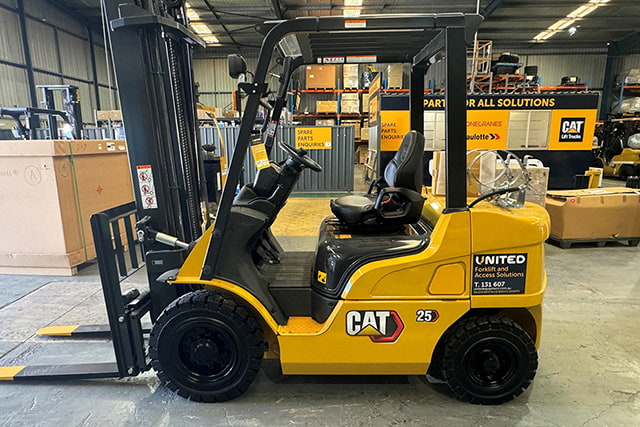
Downtime in a warehouse or job site often starts with one small part failing—and it quickly snowballs into lost productivity and costly delays. That’s why keeping essential Cat forklift parts on hand isn’t just smart—it’s necessary for staying on schedule and avoiding surprise breakdowns. Whether it’s Cat forklift engine parts or transmission components, having the right replacements ready can make all the difference when equipment suddenly needs attention.
Here are five genuine Cat forklift replacement parts for sale that every operation in Lauderdale Lakes, FL, should always keep in stock.
Key Takeaways✔ Always stock Cat forklift engine parts like spark plugs and belts to prevent sudden breakdowns. ✔ Cat forklift transmission parts such as clutches and seals ensure smooth gear shifts and power delivery. ✔ Reliable lifting depends on Cat forklift hydraulic parts, including hoses, pumps, and cylinders. ✔ Replacing Cat forklift filters regularly protects vital systems from dirt and fluid contamination. ✔ Worn Cat forklift tires reduce stability and safety, so keep spares on hand for quick swaps. ✔ Use past service records to build a forklift parts checklist and restock ahead of peak seasons. ✔ Genuine Cat forklift parts offer better fit, performance, and longevity than aftermarket substitutes. |
1. Cat Forklift Engine Parts
Cat forklift engine parts are the heart of the machine’s performance. When engines fail, it halts lifting, loading, and moving altogether. Stocking genuine Cat forklift engine parts helps keep forklifts reliable and productive day after day.
Why Stocking Engine Parts Prevents Major Downtime
- Faster Response to Sudden Breakdowns: When a forklift stalls due to a faulty spark plug or worn-out belt, operations stop immediately. Having Cat forklift engine parts like ignition coils, injectors, and drive belts ready allows technicians to make same-day repairs and get equipment back in service quickly.
- Improved Engine Efficiency: Replacing worn parts such as air intake valves or fuel injectors boosts fuel combustion and reduces emissions. Over time, this improves performance and lowers long-term operating costs by cutting back on fuel waste.
- Extended Engine Lifespan: Regular replacement of key engine components like oil pumps, gaskets, and filters reduces internal friction and heat damage. This protects the engine’s core systems, allowing Cat forklifts to operate longer before needing major overhauls.
2. Cat Forklift Transmission Parts
Cat forklift transmission parts play a critical role in delivering smooth power from the engine to the wheels. When transmission issues arise, forklifts lose speed, control, or become completely inoperable. Keeping the right Cat forklift transmission parts on hand prevents serious delays and avoids expensive repairs.
How Transmission Parts Keep Forklifts Running Smoothly
- Prevent Gear Slippage and Delayed Shifting: Worn clutches, bands, or gear assemblies can lead to slipping or jerky transitions between speeds. Stocking Cat forklift transmission parts like clutch kits and shift solenoids ensures that repairs happen before the issue grows worse.
- Maintain Proper Fluid Pressure and Sealing: Gaskets and seals degrade over time, leading to leaks that lower hydraulic pressure inside the transmission system. Replacing these small but essential Cat forklift parts helps maintain proper fluid levels, preserving gear function.
- Reduce Heat-Related Damage: Overheating can warp or crack torque converters and other core components. Keeping extras like cooling lines and Cat forklift transmission parts with heat-resistant specs helps extend lifespan and avoid breakdowns during heavy-duty use.
3. Cat Forklift Hydraulic Parts
Cat forklift hydraulic parts control the lifting, tilting, and steering systems of the machine. Even small leaks or faulty valves can make a forklift unsafe or unusable. By keeping critical Cat forklift hydraulic parts in stock, operators stay prepared for quick fixes that keep machines working safely.
Why Hydraulics Need Regular Attention
- Avoid Fluid Leaks That Reduce Lifting Power: Cracked hoses and damaged fittings are a common source of hydraulic pressure loss. Replacing them quickly with genuine Cat forklift hydraulic parts prevents load instability and lifting failures.
- Fix Slow or Jerky Mast Movements: When hydraulic cylinders wear out, forklifts may raise or lower loads unevenly, increasing safety risks. Swapping in new Cat forklift hydraulic parts like lift cylinders or control valves restores smooth, steady performance.
- Protect Steering Function and Operator Control: Power steering on Cat forklifts depends on the same hydraulic systems used for lifting. Stocking key hydraulic parts ensures operators maintain full control, especially when maneuvering in tight warehouse spaces.
4. Cat Forklift Filters
Cat forklift filters protect critical systems from dirt, dust, and debris. Without proper filtration, contaminants can quickly damage the engine, transmission, or hydraulics. Regularly swapping Cat forklift filters ensures clean airflow and fluid movement throughout the machine.
How Filters Keep Systems Clean and Efficient
- Prevent Engine Damage from Airborne Debris: Air filters block harmful particles from entering the engine. Keeping spare Cat forklift engine parts like air filters reduces wear on internal components and maintains peak combustion efficiency.
- Protect Transmission from Fluid Contamination: Dirty or old transmission filters allow metal shavings and grime to circulate through gear systems. Replacing them with proper Cat forklift transmission parts helps prevent internal damage and gear slipping.
- Maintain Hydraulic Pressure and Clean Fluid Lines: Hydraulic filters capture debris that can clog valves and reduce system pressure. Swapping in new Cat forklift hydraulic parts like inline filters preserves lifting and steering performance while reducing wear.
5. Cat Forklift Tires
Cat forklift tires are more than just wheels—they affect safety, stability, and machine handling. Bald or damaged tires reduce traction and increase the risk of tip-overs. Stocking spare Cat forklift tires helps crews respond immediately when wear becomes a hazard.
How Tire Condition Impacts Daily Operation
- Improve Load Stability and Weight Distribution: Quality Cat forklift tires provide a stable base for heavy loads, especially on uneven surfaces. Replacing worn tires helps avoid accidents caused by shifting or toppling pallets.
- Reduce Operator Fatigue and Equipment Strain: Tires act as shock absorbers. When they’re in poor condition, vibrations travel to the forklift’s frame and the operator, leading to wear on Cat forklift parts and increased fatigue during long shifts.
- Adapt to Changing Work Environments: Different job sites require different tire types—solid for indoor, pneumatic for rough terrain. Keeping a stock of Cat forklift tires allows fast adaptation without waiting on deliveries.
6. Cat Forklift Electrical and Control Components
While not as visibly critical as tires or hydraulics, Cat forklift electrical components power ignition systems, lighting, sensors, and dashboards. When control units fail, safety features may go offline, or the machine may not start at all. Stocking electrical Cat forklift parts prevents shutdowns due to small but essential failures.
Why Electrical Parts Matter More Than Expected
- Ensure Reliable Startup and Ignition: Weak batteries, damaged relays, or faulty ignition switches can prevent a forklift from starting. Keeping these Cat forklift engine parts in stock helps avoid costly delays during shift changes or emergency needs.
- Keep Safety Systems Fully Functional: Backup alarms, brake lights, and warning indicators are essential for safe operation. Stocking Cat forklift parts like fuses, switches, and sensors helps ensure visibility and communication stay intact on the floor.
- Support Smooth Communication Between Systems: Modern forklifts rely on electronic control units (ECUs) to sync the engine, transmission, and hydraulics. Replacing faulty ECUs with matching Cat forklift transmission parts ensures all systems work together without conflict or lag.
7. Cat Forklift Fasteners, Belts, and Small Hardware
The smallest Cat forklift parts often go unnoticed—until they break. Belts, bolts, and brackets connect and support key systems. Keeping these in stock prevents minor problems from halting major equipment functions.
How Small Parts Make a Big Difference
- Secure Core Components Under Heavy Loads: Forklifts generate strong vibrations. Loose fasteners can cause Cat forklift engine parts or hydraulic lines to shift, wear unevenly, or break loose without warning.
- Maintain Proper Belt Tension and Alignment: Worn or slipping belts reduce efficiency in engine cooling or alternator systems. Stocking spares avoids excessive strain on Cat forklift engine parts and ensures smooth, reliable function.
- Support Quick Repairs and Inspections: Having brackets, clips, and screws ready means repairs can happen without delay. These Cat forklift parts may be small, but they keep everything locked in place and performing as designed.
How to Spot Early Warning Signs of Forklift Component Failure
Even the most durable forklifts show signs of wear before major breakdowns happen. Recognizing these early warnings can prevent costly downtime and avoid safety risks. By understanding how key components behave under stress, operators and maintenance teams can act fast—especially when Cat forklift parts need replacement.
1. Sluggish Acceleration or Delayed Movement
When a forklift hesitates after pressing the accelerator or moves slowly despite full throttle, it may signal issues with Cat forklift transmission parts. These are problems that shouldn’t be ignored, especially with forklifts involved in 67 work-related deaths and 24,960 DART cases in 2022. Worn clutches, torque converters, or low transmission fluid can reduce power transfer to the wheels. Replacing faulty Cat forklift parts before complete failure keeps equipment responsive and dependable.
2. Jerky or Uneven Lifting Motions
Hydraulic systems should lift and lower loads smoothly. If a forklift mast shudders or pauses during movement, there may be air in the hydraulic lines or damage to the lift cylinder. In many cases, Cat forklift hydraulic parts like seals or pumps need replacement to restore proper fluid pressure.
3. Unusual Engine Noises or Hard Starts
Popping, knocking, or grinding sounds from the engine indicate internal wear or misfiring. These symptoms often point to aging Cat forklift engine parts such as spark plugs, fuel injectors, or valve components. Ignoring these noises can lead to larger failures and costly downtime.
4. Frequent Overheating or Fluid Leaks
Engines and transmissions that overheat regularly may suffer from clogged filters or low fluid levels. Leaks around hydraulic hoses or transmission seals often require immediate attention and genuine Cat forklift parts to fix. Without prompt repair, overheating shortens the lifespan of major systems.
5. Increased Fuel Consumption Without Added Workload
A sudden drop in fuel efficiency can signal clogged air filters, faulty injectors, or a struggling engine. Replacing Cat forklift filters and inspecting related engine components helps correct airflow and fuel combustion problems. This also reduces emissions and improves overall performance.
6. Uneven Tire Wear or Poor Traction
Tires wearing more on one side or showing bald spots can lead to tipping risks and poor handling. These signs may indicate improper inflation or outdated Cat forklift tires that no longer grip the surface correctly. Swapping in fresh, properly matched tires improves safety and reduces strain on the forklift frame.
How to Build a Forklift Parts Inventory Checklist for the Year
Planning ahead with a forklift parts inventory checklist helps reduce downtime and keeps operations running smoothly. Instead of reacting to breakdowns, warehouses and facilities can stay stocked with the right parts when they’re needed most. A smart checklist covers high-use Cat forklift parts across all key systems.
1. Track Past Usage to Forecast Future Needs
Start by reviewing service logs from the past 12 months to see which Cat forklift parts were replaced most often. This includes Cat forklift engine parts like spark plugs and belts, and Cat forklift hydraulic parts such as hoses and seals. High-turnover items should be reordered before they run out, not after.
2. Group Parts by System and Urgency
Organize inventory by category—engine, transmission, hydraulics, filters, and tires—to make restocking easier. Within each group, flag parts that could shut down a forklift if they fail, like Cat forklift transmission parts or Cat forklift tires. This helps prioritize what to keep in higher quantities year-round.
3. Set Minimum Stock Levels Based on Fleet Size
Larger fleets need more backup parts on hand. For example, if 10 forklifts use the same Cat forklift filters, it makes sense to keep at least 10–15 filters stocked at all times. The same logic applies to Cat forklift engine parts and Cat forklift transmission parts that wear at consistent intervals.
4. Schedule Seasonal Restocks Around Peak Demand
Forklift usage often increases during certain seasons—holidays, harvests, or fiscal year-end rushes. Before these peaks, stock up on high-wear items like Cat forklift hydraulic parts and Cat forklift tires. This ensures that unexpected issues don’t interrupt operations during the busiest times of the year.
5. Include Small but Essential Components
Belts, bolts, clamps, and relays may seem minor, but they support larger systems like the engine and transmission. Keeping these smaller Cat forklift parts in labeled bins can prevent extended downtime caused by something as simple as a missing fastener. They should have their own line items in the yearly checklist.
6. Choose Reliable Suppliers and Track Order Times
Not all vendors stock genuine Cat forklift parts, and some may have long lead times. Build relationships with suppliers who provide certified Cat forklift engine parts, Cat forklift transmission parts, and Cat forklift hydraulic parts on a consistent schedule. This avoids emergency shipping costs and unexpected delays.
How to Identify Genuine Cat Forklift Parts vs Aftermarket Substitutes
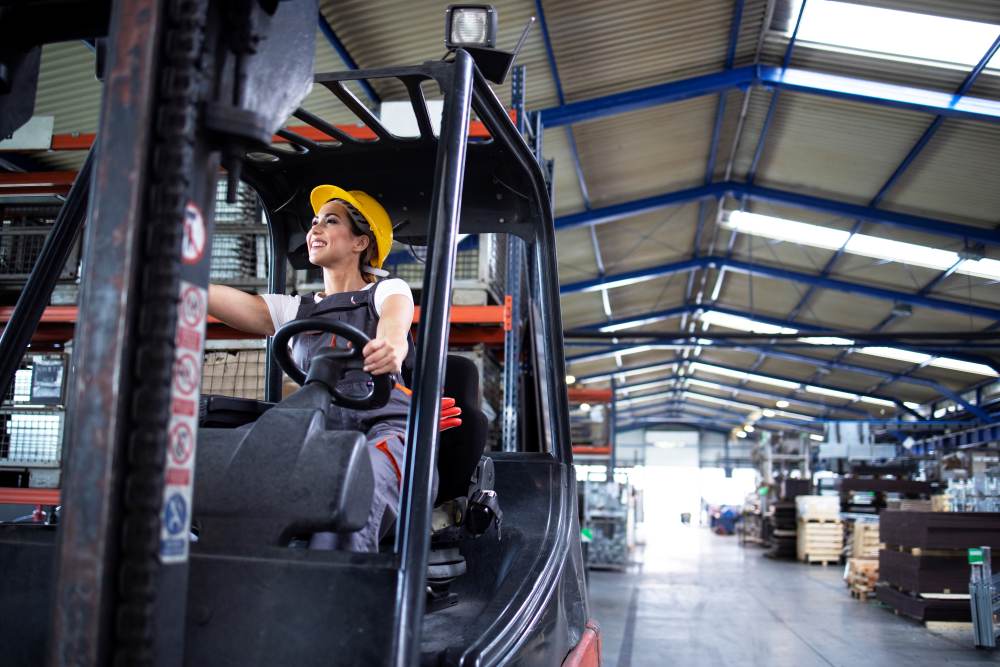
Not all forklift parts are created equal—while aftermarket options may seem cost-effective upfront, they often lack the durability and precision of genuine Cat forklift parts. Knowing how to spot the real thing helps protect the performance and safety of critical components—a crucial practice as global forklift sales are expected to approach 2.4 million units by 2030.
1. Check for OEM Part Numbers and Packaging
Genuine Cat forklift parts always come with original equipment manufacturer (OEM) part numbers and packaging. Boxes or bags will include proper labeling, barcodes, and Cat branding that match service manuals. Aftermarket substitutes may come in generic packaging or display part numbers that don’t match OEM references.
2. Examine the Fit and Finish of the Part
Cat forklift engine parts, hydraulic parts, and transmission components are engineered to exact specifications. Look for consistent surface finish, tight tolerances, and high-quality materials. Poor casting, rough edges, or mismatched bolt holes are red flags that point to non-genuine parts.
3. Ask the Supplier About Certification and Warranty
Reputable dealers will clearly state that they supply certified Cat forklift parts and offer warranties with purchase. Genuine Cat forklift filters or tires, for example, usually come with manufacturer-backed coverage. If a seller avoids discussing origin or warranty, the parts may be aftermarket imitations.
4. Compare Price With Caution
Genuine Cat forklift transmission parts or hydraulic seals are rarely sold at unusually low prices. A deeply discounted part that seems too good to be true probably is. Price should be consistent with official suppliers—huge savings can signal a knockoff.
5. Request Documentation or Manufacturer Verification
Suppliers of genuine Cat forklift engine parts or tires should be able to provide documentation like invoices, certifications, or sourcing records. If a vendor can’t produce paperwork proving the part’s origin, it’s best to avoid using it. Quality parts come with traceable proof.
6. Monitor Performance After Installation
Even with visual checks, some differences only appear after installation. If a Cat forklift filter clogs early, or a tire wears unevenly, it’s a sign the part isn’t up to spec. Tracking performance post-installation helps spot non-OEM parts that could compromise safety or damage other systems.
Frequently Asked Questions (FAQs)
What are the risks of delaying forklift part replacement?
Delaying forklift part replacement can lead to equipment failure during active operation, increasing the risk of accidents and damage. Worn Cat forklift parts, such as tires or filters, can affect braking, steering, and overall performance. When components like Cat forklift engine parts or hydraulic systems begin to fail, other systems often work harder and wear out faster. Preventive replacement helps protect the forklift, reduce repair costs, and improve workplace safety.
How often should forklift tires be inspected or rotated?
Forklift tires should be inspected weekly and rotated based on wear patterns, typically every 500–1,000 operating hours. Cat forklift tires that show uneven wear, flat spots, or loss of tread should be replaced immediately. Regular checks help extend the life of related Cat forklift parts like axles and suspension components. Keeping the correct tires in stock also reduces downtime and supports safer handling.
Can using incorrect filters damage a Cat forklift?
Yes, using the wrong filters can restrict airflow or allow contaminants into the system. Incompatible Cat forklift filters can harm Cat forklift engine parts, clog fuel systems, or reduce hydraulic pressure. Over time, this leads to performance issues and increased repair frequency. Only genuine Cat forklift parts should be used to maintain system integrity and efficiency.
Are there differences in parts needed for electric vs. internal combustion Cat forklifts?
Yes, electric and internal combustion forklifts have different systems and service needs. Electric models use fewer Cat forklift engine parts but require specialized electrical components and fewer hydraulic parts. Internal combustion units rely more heavily on Cat forklift transmission parts, filters, and exhaust-related components. Understanding the forklift type ensures the right Cat forklift parts are stocked and ready.
What role do forklift parts play in reducing total cost of ownership?
High-quality Cat forklift parts directly impact long-term maintenance costs, fuel efficiency, and machine uptime. Using genuine Cat forklift transmission parts, tires, and hydraulic parts helps reduce wear on connected systems. These parts also last longer, meaning fewer replacements and lower labor costs over time. Investing in the right parts lowers the total cost of ownership and improves forklift reliability.
Get Genuine Cat Forklift Parts Fast with Almeida Forklifts!
Keep operations moving without the wait—Almeida Forklifts in Lauderdale Lakes, FL, stocks the Cat forklift parts that matter most. From Cat forklift engine parts and transmission systems to hydraulic parts, filters, and tires, our team understands what keeps equipment running strong. With quick turnaround times, expert support, and a commitment to quality, Almeida Forklifts helps businesses avoid downtime and stay productive.
Visit or call today to get the exact parts needed—no guesswork, no delays!