
Table of Contents
Key Takeaways
✔ Look for a high-performance engine that can handle heavy lifting and continuous operation.
✔ Choose a model with durable build quality designed to withstand tough job site conditions.
✔ Make sure the forklift offers strong lifting capacity with stability features to prevent tipping.
✔ Check for good fuel efficiency and a large tank to reduce downtime between refuelings.
✔ Prioritize forklifts with smooth maneuverability and responsive control systems.
✔ Ensure maintenance access is simple, with available parts and service support.
✔ Verify the forklift includes key safety features like alarms, stability control, and load support.
✔ Select a forklift from a reputable brand with a strong warranty and proven customer service
With more roads, ports, and rail systems being built and improved around the world, strong and reliable equipment is in higher demand. In fact, the global forklift market is worth USD 72.59 billion in 2024 and is expected to keep growing fast. Diesel forklifts are a key part of this, especially for heavy-duty work in construction and industrial settings.
Here are key features to look for when buying a diesel forklift built for tough jobs.
8 Key Features of Diesel Forklifts for Heavy-Duty Work
1. Engine Power and Performance
A diesel forklift built for heavy-duty jobs needs a strong engine that delivers consistent performance. When reviewing a diesel forklift for sale near you in Lauderdale Lakes, FL, buyers should focus on the core specifications that directly impact how the machine performs under pressure.
Key Specs to Evaluate
Choosing the right diesel forklift starts with understanding the key performance specs. These technical details reveal how much power and reliability the machine can offer in real-world tasks.
- Horsepower (HP): Measures the engine’s strength and directly affects how quickly the forklift can lift and transport heavy loads.
- Torque Output: Indicates the engine’s twisting force, essential for lifting full loads and climbing inclines without stalling.
- Maximum Load Capacity: Tells how much weight the forklift can safely lift and move—vital for jobs involving large pallets or containers.
Why Power Matters in Heavy-Duty Use
Not all diesel forklifts are designed for the same level of work. In high-demand settings, the forklift’s engine needs to deliver constant strength without overheating or slowing down.
- Handling Long Shifts: A high-performance engine maintains consistent output during extended operation hours, reducing delays and downtime.
- Working in Harsh Conditions: Whether it’s rough terrain or extreme temperatures, a powerful diesel engine ensures the forklift can operate safely and efficiently.
- Moving Large Volumes: Jobs that require moving multiple heavy items benefit from an engine that won’t struggle under pressure or wear out quickly.
2. Durability and Build Quality
When shopping for a diesel forklift for sale near me, especially for heavy-duty work, durability is one of the most important factors. A forklift used in rough environments needs to stand up to daily stress, heavy loads, and long operating hours.
Strong Frame Construction
A solid frame is the backbone of any reliable diesel forklift. It keeps the entire machine stable and reduces the risk of wear and tear over time.
- Heavy-Duty Steel Chassis: Built from thick, reinforced steel, the chassis supports the full weight of the forklift and its loads, even in harsh work settings.
- Welded Steel Reinforcements: Welded joints add extra strength and prevent frame flexing or cracking, especially when moving maximum-capacity loads.
- Protective Coatings: Powder-coated or treated finishes help prevent rust, corrosion, and surface damage—key for outdoor or high-moisture environments.
Reinforced Forks and Mast Assembly
The forks and mast take on the bulk of the load, so their construction must be top-tier to avoid failures during operation.
- High-Strength Fork Material: Most heavy-duty forklifts use forged steel forks designed to handle repeated lifting of heavy goods without bending or breaking.
- Tilt and Side-Shift Reinforcements: Masts with additional support brackets ensure smooth movement without risk of instability, especially during lift-and-tilt functions.
- Load Backrests: A strong, well-attached backrest protects both the load and the operator by preventing cargo from tipping backward.
Materials That Withstand Tough Conditions
Durability also comes from using materials that last longer in demanding conditions—indoors or outdoors.
- Weather-Resistant Components: Forklifts built with weather-resistant seals and covers can handle dust, rain, and temperature changes without mechanical issues.
- Impact-Resistant Panels: Side and rear panels made from composite materials or reinforced metal help prevent damage from bumps and accidental impacts.
- Industrial-Grade Tires: Pneumatic or solid rubber tires with reinforced sidewalls ensure the forklift maintains traction and stability on uneven or rough surfaces.
Design Features That Extend Lifespan
Design choices in heavy-duty diesel forklifts also help reduce long-term damage and the need for constant repairs.
- Engine Vibration Dampers: Built-in vibration control reduces stress on the frame and components, leading to a longer working life.
- Heavy-Duty Axles: Strong axles distribute load pressure evenly, which lowers the chance of early part failure.
- Enclosed Cab Options: For models used in outdoor or industrial settings, enclosed operator cabins protect controls from dust and moisture, helping electronic systems last longer.
3. Lifting Capacity and Stability
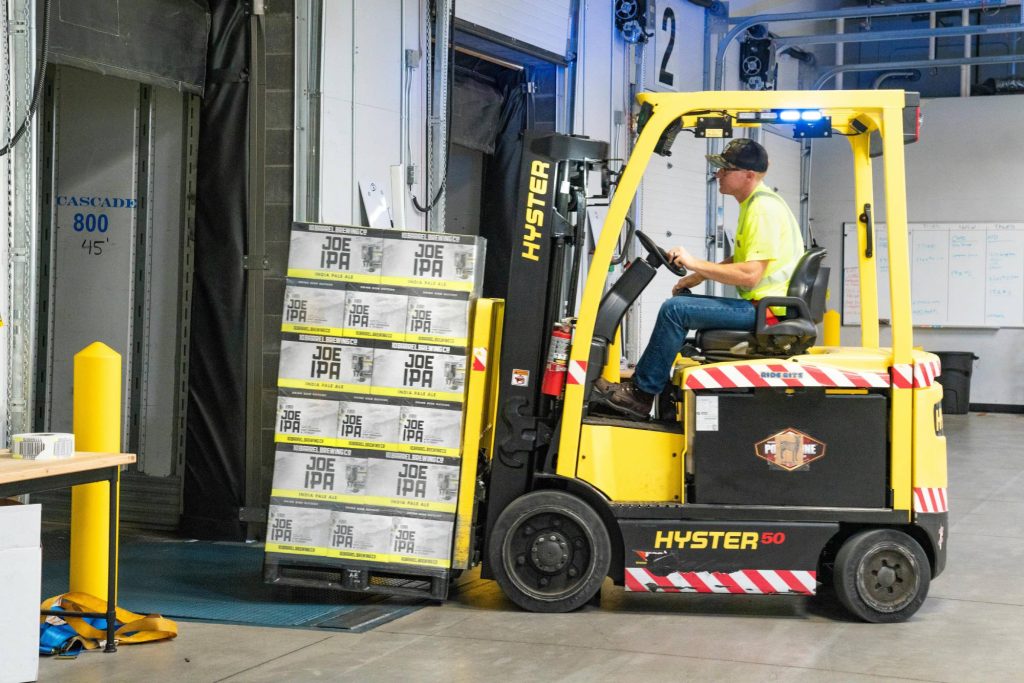
Understanding lifting capacity and stability is essential when choosing a diesel forklift for sale built for heavy-duty work. These two features directly impact the machine’s safety, performance, and ability to handle demanding tasks.
Factors That Affect Load Capacity
A forklift’s rated load capacity shows how much it can lift safely, but several real-world factors can reduce that number. These should be considered when choosing a diesel forklift for sale near me.
- Load Center Distance: The farther the load’s center of gravity is from the mast, the lower the effective lifting capacity becomes.
- Lift Height: The higher the mast needs to lift, the less weight it can safely support at the top.
- Attachment Use: Forklift attachments like clamps or sideshifters add weight and shift the center of gravity, reducing the load capacity.
- Fork Length and Width: Longer or wider forks may handle different load shapes but can also affect stability.
Key Stability Features to Look For
Stability is crucial for safety during heavy-duty lifts. When searching for a diesel forklift for sale near me, certain design features help prevent tipping and load shifts.
- Rear Counterweight Design: Built-in weights at the back of the forklift offset heavy front loads, keeping the center of gravity within safe limits.
- Wide Wheelbase: A wider stance provides better support and lessens the chance of tipping during turns or lifts.
- Mast Tilting System: Allows slight forward or backward movement of the mast to help stabilize loads during placement or removal.
- Electronic Stability Control (ESC): Advanced forklifts may offer ESC systems that automatically adjust hydraulic functions to reduce the risk of tipping.
- Load Backrest Extension: Prevents taller loads from falling backward by adding support above the forks.
4. Fuel Efficiency and Tank Size
Fuel efficiency and tank size are two important factors that affect how well the machine performs during heavy-duty jobs. A forklift that uses less fuel while operating for longer hours can reduce downtime, cut operational costs, and keep productivity high.
How Diesel Efficiency Impacts Operating Costs
Diesel engines are known for their durability and fuel economy, especially under intense workloads.
- Lower Fuel Consumption: Efficient engines use less fuel for the same level of performance, which reduces refueling needs and long-term fuel expenses.
- Consistent Performance in Harsh Conditions: Diesel forklifts are built to run efficiently even in extreme heat, cold, or rugged environments without burning excess fuel.
- Fewer Breaks for Refueling: Fuel-efficient models require fewer stops, allowing operators to stay focused and productive during long shifts.
Tank Size and Runtime for Long Shifts
A larger fuel tank means a longer runtime, which is essential in high-volume operations that require non-stop material handling. Whether for ports, construction sites, or manufacturing facilities, choosing the right tank size helps avoid frequent stops and supports steady workflow.
- Extended Operating Hours: Forklifts with larger tanks can run for multiple shifts without needing to refuel, making them ideal for high-demand tasks.
- Less Downtime: Fewer fuel stops mean more time spent moving loads, which boosts daily output and efficiency.
- Match Tank Size to Workload: For facilities that run continuous operations, investing in a forklift with a high-capacity tank ensures uninterrupted service throughout the day.
5. Maneuverability and Control Features
A diesel forklift built for heavy-duty jobs must be easy to handle, especially in tight or busy environments. Good maneuverability and advanced control systems help improve efficiency, reduce fatigue, and increase overall safety on the job site.
Turning Radius and Steering Ease
Tight corners and narrow aisles are common in warehouses and construction zones. A forklift that’s hard to steer or has a wide turning radius can slow work down and increase the risk of accidents.
- Compact Turning Radius: Allows the forklift to navigate narrow pathways and tight turns with ease, which is especially useful in indoor or crowded environments.
- Hydraulic or Power Steering: Reduces the physical effort needed to steer, making operation smoother and less tiring for the operator during long shifts.
- Responsive Wheel Controls: Ensures that the forklift responds quickly to steering inputs, which improves accuracy and helps with load positioning.
Operator Visibility
Clear sightlines are a key safety feature in any forklift. A good diesel forklift for sale near me should give the operator a wide and unobstructed view from the cabin.
- Wide-View Mast Design: Minimizes visual blockages in front of the operator, which helps with seeing both the load and the surroundings.
- Low Dashboard and Open Overhead Guard: Improves visibility in all directions, making it easier to avoid obstacles and position loads correctly.
- LED Work Lights and Mirrors: Enhances visibility in low-light conditions and gives better awareness of blind spots and rear areas.
Advanced Control Systems
Modern diesel forklifts come equipped with systems that support more precise and comfortable operation. These controls not only improve productivity but also help reduce the chance of operator error.
- Ergonomic Joystick Controls: Provide intuitive handling of lift and tilt functions, reducing the need for excessive arm movement.
- Electronic Stability Assist: Helps maintain balance during sharp turns or when lifting heavy loads at height, minimizing the risk of tipping.
- Digital Display Panels: Offer real-time feedback on performance indicators like fuel levels, engine temperature, and maintenance alerts, helping to prevent downtime.
6. Maintenance and Serviceability
A diesel forklift built for heavy-duty work needs more than power—it must also be easy to maintain. Routine service is essential to keep machines running safely and efficiently.
Ease of Access to Key Components
Quick and safe access to essential components makes daily maintenance tasks faster and prevents small issues from becoming bigger problems.
- Accessible Engine Layout: A well-designed engine layout allows technicians to reach filters, belts, and fluid reservoirs without disassembling major parts.
- Tool-Free Access Panels: Many modern diesel forklifts include panels that can be opened without tools, helping save time during inspections and minor repairs.
- Clear Service Indicators: Built-in alerts or displays that show maintenance schedules or flag issues make upkeep more predictable and efficient.
Availability of Replacement Parts
Downtime can be costly, especially in heavy-duty jobs. Choosing a forklift with easy access to replacement parts is key.
- Widespread Parts Distribution: Top brands often have parts available at multiple service centers and authorized dealers. Searching for a diesel forklift for sale near me from a known manufacturer can improve access to parts.
- OEM and Aftermarket Support: Forklifts with strong support networks offer both original and third-party parts options, giving buyers flexibility in price and availability.
- Standardized Components: Some models use parts that are compatible across different machines or brands, reducing wait times for repairs.
Manufacturer and Dealer Support
Reliable service doesn’t stop after purchase. Strong manufacturer and dealer support ensures long-term value and performance.
- Service Agreements and Plans: Many manufacturers offer maintenance plans that include regular servicing, which can help extend the forklift’s life.
- Technical Assistance and Documentation: Good brands provide clear manuals, online resources, and customer support to troubleshoot or guide maintenance.
- Training and Certification: Some dealers offer operator and maintenance training, helping teams properly care for the equipment.
7. Safety Features
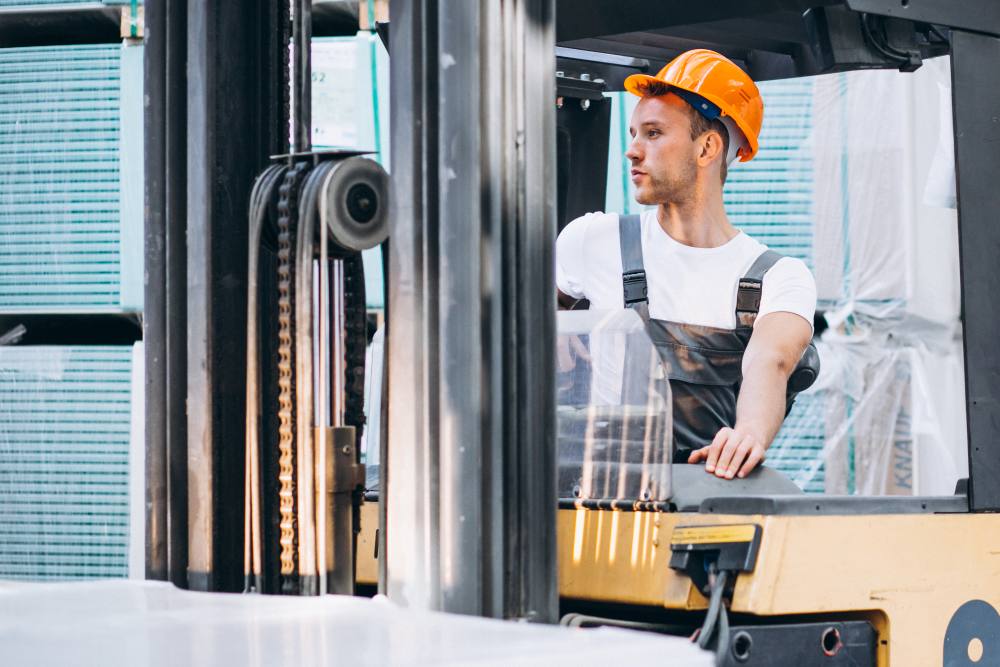
Diesel forklifts used for heavy-duty jobs must be built with strong safety features to protect both operators and the surrounding work environment. A forklift that includes modern safety technology helps prevent accidents and ensures that every job meets industry safety standards.
Built-In Safety Technology
Advanced safety systems now come standard on many forklift models. These features reduce the chances of accidents and improve the operator’s control in high-pressure conditions.
- Alarm Systems: Audible alerts warn nearby workers and pedestrians when the forklift is reversing, lifting, or turning, helping avoid collisions.
- Cameras and Sensors: Rear-view and 360-degree cameras allow the operator to see blind spots, while sensors detect nearby obstacles or people.
- Stability Monitoring Systems: Onboard software tracks the balance of the forklift and automatically adjusts operations to avoid tipping or uneven load handling.
- Automatic Speed Control: This limits the forklift’s speed in certain zones or when lifting heavy loads, helping reduce risks during complex maneuvers.
Compliance With Industry Safety Standards
A reliable diesel forklift should meet or exceed national and international safety regulations. Choosing a forklift that’s already certified for safety ensures peace of mind and fewer compliance issues down the road.
- OSHA Compliance: Ensures the forklift aligns with workplace safety rules set by the Occupational Safety and Health Administration (OSHA).
- ISO Certifications: Certification from the International Organization for Standardization (ISO) Demonstrates the forklift has passed global quality and safety standards, including those related to manufacturing and environmental performance.
- Operator Protection Design: Cabs with strong overhead guards, seat belts, and anti-slip steps help keep the operator safe from falling objects and slips.
8. Brand Reputation and Warranty
When shopping for a diesel forklift for sale nearby in Lauderdale Lakes, FL, brand reputation and warranty support are two factors that should never be overlooked. Forklifts built for heavy-duty work must be dependable, safe, and backed by reliable service.
Why Manufacturer Reputation Matters
A trusted brand brings confidence to the buyer. Reputable companies have years—often decades—of proven performance behind them. Their machines are built for durability and are backed by customer feedback, field testing, and product refinement.
- Proven Track Record: Brands with a strong history are more likely to produce forklifts that can handle heavy loads and tough environments.
- Better Engineering and Materials: Well-known manufacturers often invest more in quality parts and smarter designs.
- Strong Resale Value: Equipment from a respected brand usually holds its value better over time, especially if kept in good condition.
Understanding Warranty Coverage
A good warranty can save time and money when something goes wrong. It also reflects how much confidence the manufacturer has in its product.
- Comprehensive Coverage: A strong warranty should include the engine, transmission, hydraulics, and electronic systems.
- Service Response Time: Look for companies that provide quick service turnaround times, especially in high-demand operations.
- Access to Certified Technicians: Reliable support means access to trained professionals who know the machine inside and out.
- Parts Availability: A warranty is only helpful if replacement parts are easy to get.
Frequently Asked Questions
Can you use a diesel forklift in a warehouse?
Diesel forklifts can be used in warehouses, but they are best suited for outdoor or well-ventilated areas due to exhaust emissions. They are typically not recommended for indoor use unless proper ventilation systems are in place. Electric or propane models are often preferred indoors.
What class is a diesel forklift?
Diesel forklifts fall under Class IV or Class V. Class IV includes forklifts with cushion tires for indoor use on smooth surfaces, while Class V includes pneumatic-tired forklifts for outdoor use and rough terrain. Most heavy-duty diesel forklifts are Class V.
Are diesel forklifts better?
Diesel forklifts are better for outdoor, heavy-duty tasks due to their power and durability. They handle rough terrain and large loads more effectively than electric models. However, they are noisier and produce more emissions, making them less suitable for indoor use.
Are propane or diesel forklifts better for emissions?
Propane forklifts generally produce fewer emissions than diesel models. This makes propane a better option for indoor use where air quality is a concern. Diesel forklifts emit more particulates and require more ventilation.
How many hours do diesel forklifts last?
While the average forklift lifespan is around 10,000 hours, diesel forklifts often last much longer with proper care. Many high-quality brands, like Toyota, can surpass 20,000 to even 50,000 hours in some cases. Their strong engines and rugged construction make them ideal for demanding, long-term use.
Choose Forklifts Built for Demanding Work in Lauderdale Lakes, FL!
Tackle tough jobs with forklifts designed for performance, durability, and daily efficiency. Almeida Forklifts provides dependable forklift solutions in Lauderdale Lakes, FL, backed by expert support and trusted service. Whether for indoor use or rugged outdoor conditions, the right equipment is available to match any workload. Trusted by operations across Lauderdale Lakes, FL, Almeida Forklifts delivers machines that keep work moving.
Contact Almeida Forklifts to find the right forklift today!