

Forklifts keep warehouses, job sites, and logistics operations running smoothly, but like any piece of heavy equipment, they need consistent upkeep to stay safe and efficient. A local forklift service plan is a structured approach to maintaining performance, extending equipment life, and avoiding unexpected downtime. With the global forklift trucks market projected to grow to 180.47 billion by 2032, the need for reliable, customized service plans is more critical than ever for businesses that rely on forklifts daily.
Here are six essential components typically included in local forklift service plans.
Table of Contents
Key Takeaways
✔ Local forklift service plans include preventive maintenance, emergency repairs, and safety checks.
✔ Fast response times—often within 4 to 8 hours—help minimize costly downtime.
✔ Routine maintenance should be scheduled every 250 to 500 operating hours.
✔ Reliable providers stock OEM and compatible parts for faster repairs.
✔ Battery care and fluid flushes are essential for electric and gas forklifts.
✔ Safety system testing ensures OSHA compliance and protects operators.
✔ Spotting early issues like leaks or steering problems prevents major failures.
✔ Working with certified local technicians ensures better service and equipment life.
6 Essential Services Included in a Local Forklift Service Plan
1. Preventive Maintenance Inspections
Regular inspections are the backbone of any reliable forklift service plan. These checks help identify small issues before they become costly repairs and ensure all equipment operates safely. When asking what services are included in local forklift service plans, preventive maintenance usually tops the list.
How Preventive Maintenance Extends Equipment Lifespan
- Component Checks Catch Wear Early: Technicians inspect brakes, tires, forks, and hydraulics to look for signs of wear or damage. Replacing worn parts early prevents breakdowns and extends the life of major components.
- Fluids and Filters Are Monitored and Replaced: Coolant, transmission fluid, brake fluid, and hydraulic oil are checked and topped off or replaced as needed. Clean fluids and filters keep systems running smoothly and prevent internal damage over time.
- Safety Systems Are Tested Thoroughly: Technicians test horns, lights, alarms, seat belts, and backup systems to ensure everything meets Occupational Safety and Health Administration (OSHA) safety standards. A key part of what services are included in local forklift service plans is making sure every forklift stays compliant and safe to operate.
2. Emergency Breakdown Repairs
Even with regular maintenance, forklifts can still experience unexpected issues. Local service plans often include emergency repair coverage to minimize costly downtime. Fast, on-demand support helps businesses avoid workflow disruptions and protect their bottom line.
Why Quick Repair Response Matters During a Breakdown
- Technicians Arrive Within a Guaranteed Timeframe: One of the most common questions is: what is the average response time for local forklift service calls? While it varies by provider, many reputable companies guarantee arrival within 4 to 8 business hours. However, this varies, so it’s best to contact your local provider for accurate estimates.
- On-Site Repairs Limit Transport Delays: Rather than hauling the equipment to a repair shop, many service plans include mobile technicians who perform diagnostics and repairs on location. For example, a failed hydraulic lift can be repaired on-site the same day, saving hours or even days of productivity. With the global warehousing market projected to reach USD 1.73 trillion by 2030, minimizing downtime through on-site repairs is more essential than ever.
- Parts and Tools Are Readily Available: Technicians often travel with stocked service vans that include common replacement parts like hoses, starters, or belts. When a plan covers parts access and immediate service, it answers what services are included in local forklift service plans effectively.
3. Parts Replacement and Inventory Access
Forklift components wear out over time, especially with heavy daily use. A strong service plan includes access to a deep inventory of manufacturer-approved parts. This ensures repairs aren’t delayed while waiting on shipments or backorders.
How Reliable Parts Access Reduces Downtime
- OEM and Compatible Parts Are Always In Stock: Local providers that work with Toyota, Caterpillar, Mitsubishi, and other major brands keep essential components in stock. This makes it easier to perform quick replacements on brakes, forks, seals, and electrical systems without long wait times.
- Technicians Match Parts to Forklift Models Accurately: Using the wrong part can void warranties or cause new issues. A trained technician not only brings the part but knows the model-specific specs to install it correctly the first time. That’s one reason businesses ask how to find a reliable local forklift service provider near me.
- Bulk Ordering Options Are Available for Large Fleets: Some plans offer discounted bulk pricing or set-aside inventory for companies managing 10 or more units. A warehouse with a mixed fleet of propane and electric forklifts, for example, benefits from having backup starters and filters reserved and ready.
4. Fluid Replacements and System Flushes
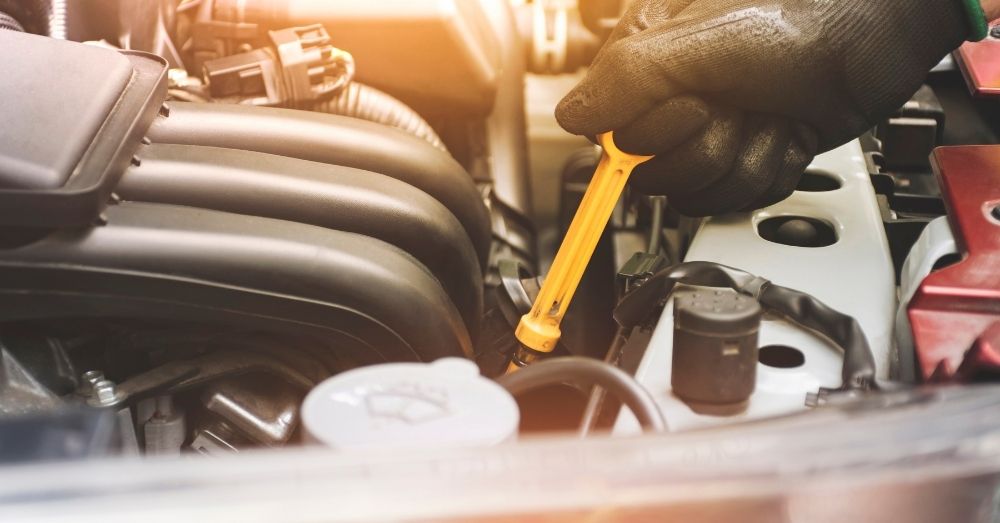
Clean fluid systems are essential for forklift performance, especially in older or high-use equipment. Service plans often cover full fluid replacement schedules and system flushes to prevent costly internal damage.
Why Regular Fluid Maintenance Protects Forklift Systems
- Hydraulic Oil Is Replaced to Prevent Cylinder Damage: Dirty hydraulic oil causes seals to crack and internal pistons to wear down. Replacing oil every 1,000 hours—or as recommended by the manufacturer—keeps lifts operating smoothly and prevents lift failure under heavy loads.
- Brake and Transmission Fluids Are Flushed Periodically: Heat and dust break down fluid quality over time. Service plans that include flushes every 500 to 1,000 hours help maintain safe stopping power and prevent slipping or gear delays in transmission systems.
- Radiator Coolant Prevents Overheating in Harsh Environments: In hot climates or high-output warehouses, overheating is a real risk. A complete fluid service answers how often should I schedule local forklift service and maintenance—most providers recommend at least twice a year for demanding work conditions.
5. Battery Inspections and Replacement
Electric forklifts require consistent battery maintenance to perform reliably. Service plans that include battery checks, cleanings, and replacements help companies avoid voltage drops, charge failures, and costly downtime.
How Battery Services Support Electric Forklift Operations
- Voltage and Output Are Measured at Every Inspection: Technicians use tools to measure battery voltage under load and verify output levels. If readings fall below manufacturer standards, early signs of failure can be caught before operations are interrupted.
- Cables, Terminals, and Water Levels Are Maintained: Corrosion on terminals or low water levels can shorten battery life. During service visits, technicians clean connections, refill cells, and inspect cable conditions—key parts of what services are included in local forklift service plans.
- Battery Replacement Recommendations Are Timely and Informed: If a battery no longer holds a charge efficiently, providers will recommend a replacement and source a compatible unit. Companies wondering how to find a reliable local forklift service provider near me should look for one that includes battery care in their coverage.
6. Safety System Testing and Compliance Checks
A well-maintained forklift isn’t just efficient—it’s safe. Most service plans include safety system testing to meet OSHA regulations and company-specific protocols. Skipping this step risks fines, injuries, and equipment damage.
How Safety Checks Keep Equipment and Operators Protected
- Horn, Alarm, and Light Systems Are Fully Tested: Audible and visual alerts help prevent workplace collisions and injuries. A working reverse alarm, overhead guard light, and horn are all OSHA-required and must be inspected during each service cycle.
- Seatbelts and Restraints Are Inspected for Wear: A broken or frayed seatbelt is a liability. Forklift service providers include restraint system checks to ensure all harnesses and latches function properly, especially on older units or rough-terrain models.
- Operational Logs and Compliance Reports Are Provided: Some plans include documentation after each visit, listing completed safety checks and technician observations. Businesses often use these reports to confirm they’re up to code—answering what services are included in local forklift service plans? from a compliance standpoint and supporting safer workplaces.
How to Find a Reliable Local Forklift Service Provider Near Me
Choosing the right service provider can make or break a maintenance plan. A skilled, local forklift team keeps operations moving, responds quickly when issues arise, and ensures equipment remains safe and compliant. When business owners ask how to find a reliable local forklift service provider near me, these six factors can help separate the pros from the rest:
1. Check for Brand Experience and Certifications
A trustworthy forklift service provider should be familiar with major brands like Toyota, Mitsubishi, CAT, and others. Technicians who are certified or factory-trained are more likely to understand each model’s specific maintenance needs. Businesses relying on a mixed fleet benefit from providers who already service those machines regularly.
2. Ask About Response Times and Emergency Support
Response time matters when a forklift goes down mid-shift. A reliable company will clearly explain what is the average response time for local forklift service calls and commit to on-site visits within a specific window, often 4 to 8 business hours. Fast service prevents extended downtime and helps avoid costly workflow interruptions.
3. Evaluate Parts Availability and Inventory Access
A good local provider keeps a strong inventory of OEM and compatible parts on hand. This eliminates long waits and ensures common replacements—like filters, starters, or brake components—are installed without delay. Companies asking what services are included in local forklift service plans? should confirm that parts access is built in.
4. Review Maintenance Plan Options
Not every provider offers flexible or comprehensive service plans. A reliable partner will walk through the details, including how often service visits occur, what’s covered, and what happens in emergencies. It’s important to understand not only how often should I schedule local forklift service and maintenance but also how those visits are structured.
5. Look for Positive Local Reviews and Long-Term Clients
Word of mouth still matters in the equipment service world. Reliable forklift technicians earn lasting relationships by showing up on time, communicating clearly, and doing the job right. A provider with repeat customers and solid online reviews likely delivers consistent quality.
6. Ask About Safety and Compliance Practices
Forklift safety is non-negotiable. Reputable providers test alarms, lights, and seatbelts every visit and document all inspections for OSHA compliance. Working with professionals who take safety seriously is part of what makes a local forklift service provider truly reliable.
How to Spot Early Signs a Forklift Needs Service
Catching problems early is one of the most effective ways to reduce costly repairs and downtime. Operators and managers who know what to watch for can prevent unexpected breakdowns and keep their fleet running safely. When asking how often should I schedule local forklift service and maintenance, the answer often depends on how quickly these early warning signs are addressed.
1. Unusual Noises or Vibrations
Squealing brakes, grinding gears, or clunking noises during operation are signs that something’s off internally. These sounds may point to worn-out parts or improper lubrication. A reliable forklift service provider should investigate these symptoms immediately to avoid full component failure.
2. Visible Leaks Under or Around the Forklift
Fluid spots on the ground—whether from hydraulic lines, brakes, or transmission—signal a serious problem. Left unchecked, leaks can cause low fluid levels that lead to overheating, steering issues, or dangerous lift failures. Knowing what services are included in local forklift service plans? should include checking for and repairing leaks during routine maintenance.
3. Difficulty Steering or Sluggish Controls
If the forklift becomes hard to steer, turns unevenly, or reacts slowly to control inputs, hydraulic or power steering components may be failing. This kind of lag can reduce operator control and pose a safety hazard. Local technicians can diagnose these issues on-site, reinforcing how to find a reliable local forklift service provider near me for responsive support.
4. Warning Lights or Error Codes on the Display
Modern forklifts have onboard diagnostics that show alerts for engine temperature, low fluid levels, or electrical problems. Ignoring these lights often leads to bigger—and more expensive—problems later. A professional service team knows how to interpret these codes and take action quickly.
5. Reduced Lifting Power or Lowering Speed
When a forklift struggles to raise a load it once handled easily, or lowers unevenly or too slowly, the issue may be in the hydraulic system or lift chains. This not only disrupts workflow but also increases safety risks. Businesses wondering how often should I schedule local forklift service and maintenance should treat lifting changes as a sign it’s time for immediate attention.
6. Brake Issues or Extended Stopping Distance
Forklifts with soft brake pedals, squeaky stops, or delayed response should not be in operation until inspected. Brake systems wear over time and need regular adjustments or replacements. These checks are typically covered when asking what services are included in local forklift service plans—especially by providers who prioritize safety as much as performance.
Frequently Asked Questions (FAQs)
What is the average response time for local forklift service calls?
Most local forklift service providers aim to respond within 4 to 8 business hours after receiving a call. Some companies offer same-day service, especially if they have mobile technicians in the area. Response times may vary depending on location, technician availability, and service plan agreements.
How often should I schedule local forklift service and maintenance?
Forklift maintenance is typically scheduled every 250 to 500 operating hours, depending on the manufacturer’s recommendations and usage intensity. High-use forklifts in busy warehouses may require service as frequently as once a month. Preventive maintenance plans help ensure consistent scheduling based on real-time usage.
How much does it cost to have a forklift serviced?
The cost of forklift service varies widely based on the type of service, equipment size, and parts needed. Basic preventive maintenance visits may range from $150 to $500, while major repairs can exceed $1,000. Service plan contracts often provide bundled pricing or discounts for regular customers.
What does PM mean on a forklift?
PM stands for Preventive Maintenance, a scheduled service routine designed to inspect, clean, adjust, and replace parts before they fail. It includes tasks like fluid checks, filter changes, safety system tests, and component inspections. PM helps extend the life of the forklift and reduce unexpected breakdowns.
What is the most expensive part of a forklift?
The battery (for electric forklifts) or transmission system (for internal combustion models) is often the most expensive component to replace. These parts can cost several thousand dollars, depending on the make and model. Regular maintenance helps protect these high-cost systems from premature failure.
Get Reliable Forklift Service from Almeida Forklifts Today
At Almeida Forklifts, keeping your equipment moving safely and efficiently is our top priority. Based right here in Lauderdale Lakes, FL, we offer fast, professional forklift service plans tailored to your operation—whether you run a single machine or a full fleet. From preventive maintenance and emergency repairs to battery checks and safety inspections, our skilled technicians are ready when your business needs them most.
Call today to schedule service or request a custom maintenance plan that works for you.