
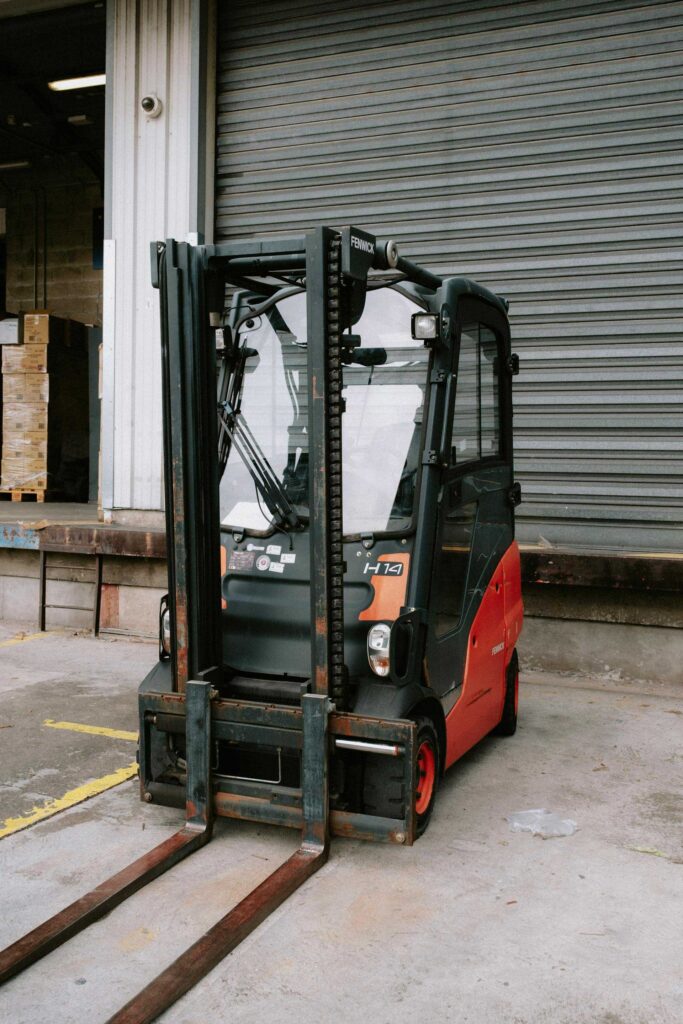
When searching for a used fork truck for sale in Lauderdale Lakes, FL, it is crucial to avoid common pitfalls that could result in costly repairs or downtime. Whether it is for a first-time purchase or an upgrade to an existing fleet, being aware of these mistakes can save both time and money. By taking the necessary precautions, buyers can ensure they are making a smart investment in reliable equipment.
Here are six common mistakes to avoid when buying a used fork truck for sale.
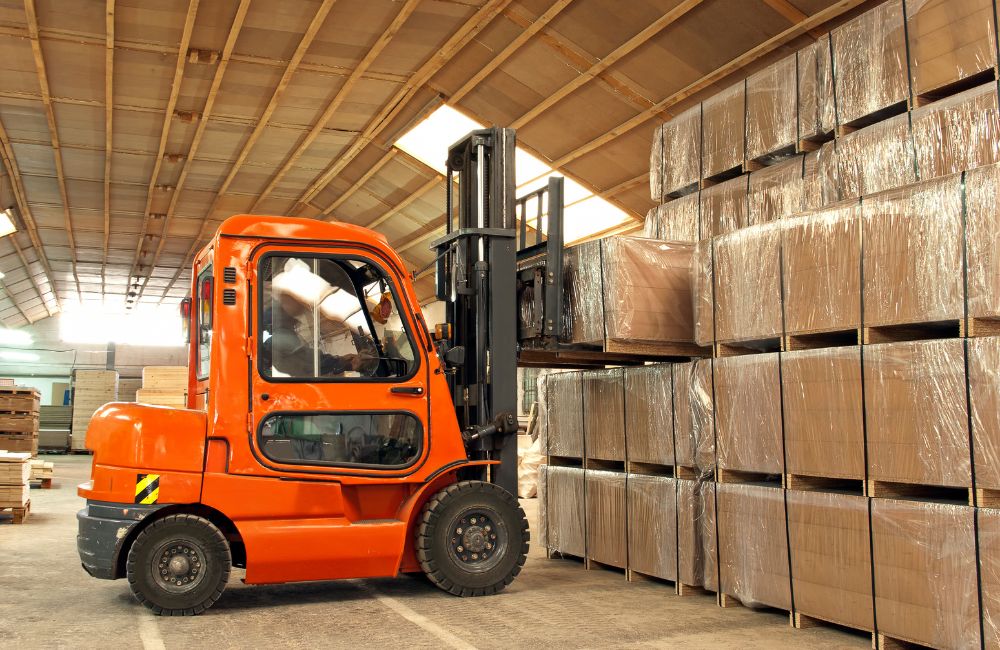
6 Mistakes to Avoid When Buying a Used Fork Truck
1. Failing to Inspect the Truck’s Maintenance History
When purchasing a fork truck for sale, one of the most common mistakes buyers make is neglecting to thoroughly review the truck’s maintenance history. Overlooking this critical step can lead to unexpected repair costs and reduced operational efficiency.
Why Reviewing Maintenance Records Matter
Before finalizing the purchase of any used fork truck for sale, it is crucial to request and review its complete maintenance records. These documents provide valuable insights into how well the truck has been maintained throughout its lifespan.
The maintenance history will reveal:
-
- Frequency of Servicing: A well-maintained fork truck will have consistent, regular maintenance, ensuring its parts and systems are in good condition.
- Types of Repairs: Understanding what components have been repaired or replaced helps in assessing the truck’s current state.
- Major Overhauls: Look for any records of significant overhauls, which might indicate past issues with key systems.
Identifying Past Repairs and Potential Future Issues
Analyzing past repairs on a fork truck for sale gives insight into potential future problems. For instance, frequent repairs to the engine or hydraulic system may indicate deeper mechanical issues that could lead to higher maintenance costs in the future.
Key items to review in repair history:
-
- Hydraulics: Look for repeated repairs, as faulty hydraulics can compromise performance.
- Engine and Transmission: Consistent repairs to the engine or transmission could mean that these critical components may need replacement soon.
- Electrical Systems: Ensure the electrical system has not been subject to frequent failures, as this can disrupt the truck’s functionality.
Records of Servicing
The condition of a used fork truck for sale heavily depends on whether it has received proper and timely servicing. Regular maintenance can extend the lifespan of the vehicle and improve its overall performance. Here are a few essential points to consider:
-
- Oil and Filter Changes: Confirm the frequency of oil and filter changes, as skipping these could have caused wear on critical engine components.
- Brake Inspections: Proper brake maintenance is crucial for safe operation. Check for documented inspections and repairs.
- Routine Safety Checks: A good maintenance record will also show that safety features, such as seatbelts and warning systems, were regularly inspected and maintained.
2. Ignoring the Truck’s Age and Hours of Operation
When considering a fork truck for sale, one of the most crucial factors to evaluate is its age and the number of operational hours it has logged. Overlooking these details can lead to purchasing a unit that may not provide reliable long-term performance, especially concerning the integrity of metal components. It’s essential to approach these aspects with a critical eye to ensure that the used forklift is still a good investment.
Evaluating the Truck’s Age Relative to Its Condition
The age of a fork truck for sale can be a good indicator of its wear and tear, but it’s equally important to assess its condition. A five-year-old forklift that has been well-maintained could be in far better shape than a three-year-old model with a poor maintenance history. When examining the truck’s condition, buyers should:
-
- Inspect the body for rust, cracks, or dents.
- Review the interior components such as the steering, pedals, and controls for any signs of overuse or damage.
- Ask for maintenance records to verify the care the truck has received over its lifetime.
Understanding the Impact of High Operational Hours on Performance
In addition to the truck’s age, the number of operational hours it has accumulated is a key consideration. Operational hours are similar to the mileage on a car—they give insight into how much work the forklift has done. A fork truck for sale with a high number of operational hours may have reduced performance or require more frequent repairs. High hours can affect critical components, including:
-
- Engine or Motor: Increased wear and potential for overheating.
- Hydraulics: Deterioration of seals and cylinders that could cause leaks or inefficiencies.
- Electrical Systems: A higher chance of malfunction or the need for replacement.
3. Overlooking the Condition of Tires and Forks
When purchasing a fork truck for sale, it’s essential not to overlook the condition of critical components such as tires and forks. These parts are crucial to the safety, performance, and longevity of the equipment. Ignoring potential issues in this area can lead to costly repairs or unsafe operation in the future.
Examining Tires for Excessive Wear or Damage
The tires of any fork truck for sale play a vital role in stability, load-bearing, and overall handling. Carefully inspecting the tires can provide insight into how the vehicle has been maintained and whether it will need immediate replacements. Look for the following:
-
- Tread Depth: Ensure the tire tread is still deep enough to provide traction. Worn tires can result in reduced stability and handling issues.
- Cracks or Bulges: Any visible signs of cracking or bulging can be indicators of potential tire failure, which can lead to dangerous situations in high-load environments.
- Even Wear: Check for uneven wear patterns, which may suggest improper tire alignment, overloading, or a suspension issue.
Inspecting the Forks for Cracks, Bends, or Deformities
Forks are the primary lifting mechanism for any fork truck for sale, and their condition is critical for safe and efficient operation. Failure to check the integrity of the forks could result in dangerous lifting situations or even equipment failure. Key areas to inspect include:
-
- Surface Cracks: Small cracks, especially around welds or stress points, can quickly worsen under load. Even minor cracks should be addressed or repaired before operating the truck.
- Bent Forks: If the forks are visibly bent, they may no longer be able to lift loads evenly or safely. Bent forks can also cause damage to the goods being handled, increasing operational risks.
- Thickness of the Forks: Over time, the forks can wear down, reducing their thickness and strength. Measuring the thickness at critical points can help determine whether the forks are nearing the end of their usable life.
Recognizing the Cost of Replacing Damaged Components
One of the most common mistakes when buying a used fork truck for sale is failing to account for the cost of replacing damaged tires or forks. These components can be expensive to repair or replace, especially if the damage is extensive. Buyers should factor in:
-
- Replacement Costs: Tires and forks vary in price depending on the size, type, and brand. Fork replacement, in particular, can be a significant expense.
- Downtime Costs: If the fork truck for sale requires immediate repairs, consider the downtime involved in getting it back into operation. This downtime can affect productivity and profitability.
- Safety Concerns: Operating a fork truck for sale with damaged tires or forks is unsafe and can put employees at risk. The cost of accidents or injuries due to worn-out components is far greater than the cost of repairs.
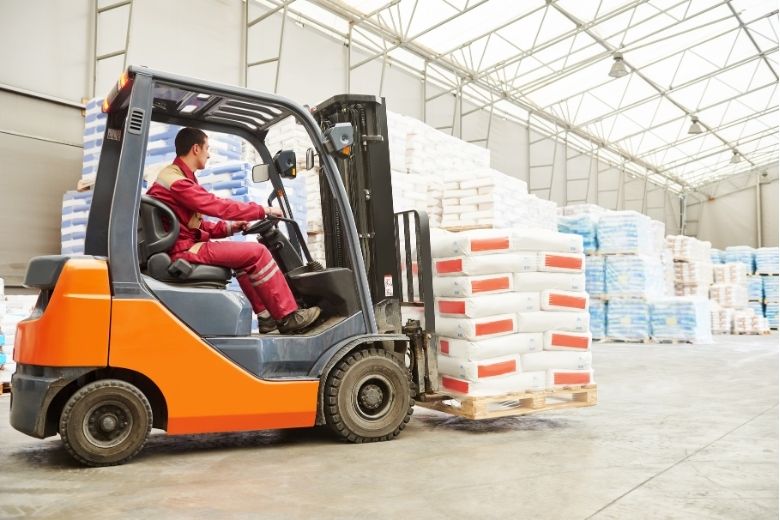
4. Not Testing the Fork Truck’s Performance
When considering a fork truck for sale in Lauderdale Lakes, FL, one of the most crucial steps is to test the equipment’s performance. Skipping this phase can lead to unforeseen operational issues and unnecessary costs after the purchase. Businesses may end up acquiring a truck that performs poorly or requires immediate costly repairs.
Why You Should Conduct a Test Drive
A test drive allows potential buyers to assess the overall functionality of the fork truck for sale. It also provides an opportunity to experience how the truck operates under normal working conditions, ensuring that the vehicle is suitable for a specific material handling needs.
Assessing the Truck’s Lifting and Maneuvering Capabilities
When evaluating a fork truck for sale, its lifting and maneuvering capabilities are of paramount importance. The truck’s lifting capacity must align with the weight and type of loads it will be handling in the intended work environment. Ensuring the fork truck can safely and efficiently manage the required load will prevent operational issues and contribute to a smoother workflow. Check the following:
|
Checklist |
Key Points |
|
Lifting Performance |
|
|
Lift Capacity |
Ensure the truck can safely lift the maximum load operations required. |
|
Mast Functionality |
Check how smoothly the mast raises and lowers loads. |
|
Load Stability |
Observe whether the truck maintains balance when fully loaded. |
|
Maneuverability |
|
|
Turning Radius |
Verify that the truck can navigate through tight spaces and corners. |
|
Control Sensitivity |
Ensure that the controls respond precisely, not too sluggish or too sensitive. |
|
Braking System |
Test the brakes to confirm effective stopping under different load conditions. |
Identifying Operational Issues During Testing
While a fork truck for sale may appear to be in good condition on paper or during a visual inspection, a test drive can reveal potential mechanical or operational problems that could lead to significant downtime or safety risks.
-
- Unusual Noises: Grinding, clanking, or squeaking sounds may indicate problems with the engine, transmission, or lifting mechanism.
- Hydraulic Leaks: Inspect for any fluid leaks during the test, which can signal serious mechanical issues.
- Jerky Movements: If the truck exhibits jerky movements while lifting or driving, it could point to transmission or hydraulic system problems.
- Unusual Noises: Grinding, clanking, or squeaking sounds may indicate problems with the engine, transmission, or lifting mechanism.
5. Neglecting to Verify the Seller’s Reputation
When purchasing a used fork truck for sale, one critical mistake many buyers make is neglecting to verify the reputation of the seller. Ensuring that the seller is trustworthy and reputable is essential to avoid future complications and ensure a smooth buying process.
Research the Seller’s Credibility
Before committing to a purchase, look into how long the seller has been in business, as a longer track record often indicates stability and trustworthiness. Additionally, explore their online presence, such as a website or industry listings, to assess their reputation, certifications, and guarantees they may offer.
Check Customer Reviews and Testimonials
Reviews from previous buyers offer key insights into a seller’s reliability. HubSpot’s 2018 Customer Service Expectations Survey found that 68% of consumers are willing to pay more for brands with excellent customer service. Recurring themes in reviews, both positive and negative, reveal strengths or issues with the seller, while website testimonials offer additional clarity on the transaction experience.
Avoid Sellers with a History of Issues
Be wary of sellers with a history of unresolved complaints, particularly regarding hidden equipment issues or poor after-sales service. Checking their Better Business Bureau (BBB) rating or similar sources can reveal any patterns of dispute. If possible, use third-party verification services to confirm the seller’s legitimacy and avoid potential scams or dishonest practices.
6. Forgetting to Consider Future Maintenance Costs
When purchasing a used fork truck for sale, one of the most common mistakes buyers make is neglecting to account for future maintenance costs. While the upfront price may seem like a great deal, the long-term expenses can add up significantly if proper planning isn’t in place.
Ongoing Maintenance and Repair Expenses
Every fork truck for sale, especially those that are pre-owned, will eventually require routine maintenance and repairs. Ignoring this reality can lead to unexpected expenses down the line. Buyers should factor in the following:
-
- Routine Inspections and Tune-ups: Regular inspections are crucial to keeping the fork truck in optimal condition. This includes checking for engine health, fluid levels, brake performance, and overall safety. Failing to keep up with routine checks can result in costly breakdowns.
- Unexpected Repairs: Even with the best maintenance practices, used fork truck for sale are prone to occasional breakdowns. Setting aside funds for unexpected repairs is wise to avoid disruptions in operations.
- Routine Inspections and Tune-ups: Regular inspections are crucial to keeping the fork truck in optimal condition. This includes checking for engine health, fluid levels, brake performance, and overall safety. Failing to keep up with routine checks can result in costly breakdowns.
Availability of Parts for the Truck Model
Another crucial aspect to consider when purchasing a used fork truck for sale is the availability of parts for the specific make and model. Older or less common models may have limited parts, making repairs both more expensive and time-consuming. Buyers should research:
-
- Parts Availability: Determine whether the specific fork truck for sale model still has parts readily available in the market. This includes everything from engine components to small fixtures.
- Cost of Parts: Some models may have parts that are more expensive due to limited availability or being out of production. Ensure that these costs are manageable within the maintenance budget.
- Dealer and Mechanic Support: Confirm that local dealers and mechanics are familiar with the model and can source parts efficiently. Lack of support can lead to extended downtime.
- Parts Availability: Determine whether the specific fork truck for sale model still has parts readily available in the market. This includes everything from engine components to small fixtures.
Long-Term Operational Costs Beyond the Purchase Price
Purchasing a fork truck for sale goes beyond the initial price tag. Buyers must look ahead and consider the long-term operational costs associated with owning a used vehicle. This includes:
-
- Fuel or Electric Costs: Depending on whether the truck is electric or diesel, energy consumption can significantly impact operating costs over time. Electric fork trucks may have lower running costs, but battery replacements can be expensive.
- Insurance and Compliance Fees: It’s important to account for insurance costs and any regulatory compliance fees required to keep the vehicle legally operable.
- Depreciation and Resale Value: Take into account the truck’s depreciation rate and potential resale value. A fork truck for sale that depreciates quickly could end up costing more in the long term, particularly if you plan to upgrade or resell. A 2023 iSeeCars study found that trucks typically depreciate by only 34.8 percent over five years.
- Fuel or Electric Costs: Depending on whether the truck is electric or diesel, energy consumption can significantly impact operating costs over time. Electric fork trucks may have lower running costs, but battery replacements can be expensive.
Frequently Asked Questions
What are the different types of forklift trucks?
There are several types of forklift trucks, including counterbalance forklifts, reach trucks, pallet jacks, and rough terrain forklifts. Counterbalance forklifts are the most common and are typically used in warehouses. Reach trucks are ideal for narrow aisles and high shelves, while pallet jacks are manual or electric machines used to move pallets on the ground. Rough terrain forklifts are designed for outdoor use on uneven surfaces and can handle heavy loads in construction or agriculture.
What is the load capacity of a forklift truck?
The load capacity of a forklift varies depending on its size, model, and configuration. Generally, forklifts have a load capacity ranging from 1,500 to 35,000 pounds, with larger models capable of handling even heavier loads. It is essential to check the manufacturer’s specifications to ensure the forklift is suitable for the required load. Overloading a forklift can lead to accidents, damage to the vehicle, or injury to operators and bystanders.
How do you operate a forklift safely?
Safe forklift operation begins with proper training and certification for the operator. Operators must be familiar with the controls, know how to balance loads, and be aware of their surroundings at all times. It’s important to always follow weight capacity guidelines, drive at a safe speed, and use seat belts to minimize injury in the event of a tip-over. Regular maintenance and inspection of the forklift are also crucial for safe operation.
How often should a forklift be serviced?
Forklift maintenance schedules vary based on the intensity of use, but generally, they should be serviced every 250 to 500 hours of operation. Regular inspections should include checking fluid levels, tire condition, brakes, and the hydraulic system. Preventive maintenance helps extend the life of the forklift, reduce downtime, and avoid costly repairs. In addition to routine servicing, daily pre-operation inspections are important to identify any potential issues before use.
What fuel types do forklifts use?
Forklifts can be powered by different types of fuel, including gasoline, diesel, propane, and electricity. Electric forklifts are popular for indoor use due to their quiet operation and lack of emissions, while propane-powered forklifts are versatile and can be used both indoors and outdoors. Diesel and gasoline forklifts are generally used outdoors in heavy-duty applications due to their power and higher fuel capacity. The choice of fuel depends on the environment, operational needs, and cost considerations.
Discover Reliable Fork Trucks at Almeida Forklifts in Lauderdale Lakes, FL!
At Almeida Forklifts, based in Lauderdale Lakes, FL, we provide a trusted solution for all your forklift needs. Whether you’re looking to purchase a fork truck for sale or need expert advice, our Latina-owned, family-operated business is here to help. With over a decade of experience, our team is committed to offering quality service, diversity, and expertise to the local community. Explore our selection of reliable equipment and join countless satisfied customers across Lauderdale Lakes, FL, who trust us for top-tier forklifts.Contact us today to know more!