
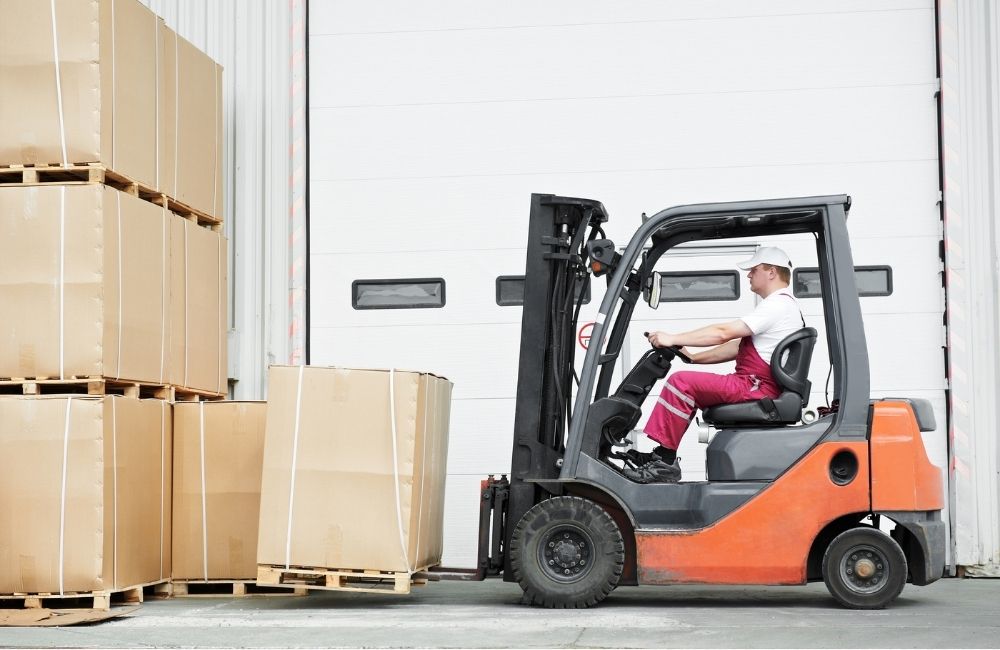
Key Takeaways✔ Battery and charging failures can lead to unexpected downtime and reduced forklift efficiency. ✔ Excessive tire wear and damage increase the risk of instability, poor traction, and unsafe operation. ✔ Hydraulic system leaks can cause lifting malfunctions, reduced performance, and potential safety hazards. ✔ Brake malfunctions compromise stopping power, increasing the risk of accidents and operational delays. ✔ Mast and lifting mechanism issues can result in load instability, misalignment, and mechanical failures. ✔ Steering and control failures make maneuvering difficult, leading to safety risks and reduced productivity. |
Fork trucks play a critical role in industrial operations, but without proper maintenance, they can pose serious safety risks. In 2020 alone, forklift-related transportation incidents resulted in 44 fatalities, highlighting the importance of regular inspections and timely repairs. Preventative fork truck service not only extends equipment lifespan but also enhances workplace safety by reducing the risk of mechanical failures. Addressing common issues before they lead to accidents is essential for maintaining a safe and efficient work environment.
Here are the top six common fork truck issues and how fork truck service can prevent them.
Top 6 Fork Truck Problems and Their Solutions
1. Battery and Charging Problems
Fork trucks rely on a properly maintained battery to operate efficiently. When battery issues arise, they can lead to unexpected downtime, reduced performance, and costly repairs.
Causes of Battery and Charging Problems
Several factors can lead to battery failure in a fork truck. Recognizing these issues early can help prevent more serious damage and costly repairs.
- Overcharging: When a battery is overcharged, it generates excessive heat, which can cause the electrolyte to evaporate and damage internal components. This shortens the battery’s lifespan and reduces efficiency.
- Undercharging: If a battery is not fully charged, it fails to complete the necessary chemical reactions required for optimal performance. This leads to a weaker charge, diminished power, and a shorter lifespan.
- Battery Sulfation: When a battery remains in a low-charge state for an extended period, lead sulfate crystals form on the plates, reducing the battery’s capacity and making it less efficient. If left untreated, sulfation can lead to permanent battery failure.
2. Tire Wear and Damage
Fork trucks are essential for material handling, but their efficiency and safety rely heavily on the condition of their tires. Tire wear and damage can lead to decreased performance, safety hazards, and expensive repairs.
Causes of Tire Wear and Damage
Tires experience constant stress during operation, making them prone to wear and damage. Several factors contribute to their deterioration:
- Overloading: Carrying loads that exceed the fork truck’s weight capacity places excessive pressure on the tires. This added strain causes premature wear, weakens the rubber, and increases the risk of tire failure.
- Uneven Surfaces: Operating on rough, uneven, or debris-filled surfaces creates excessive friction and impact on the tires. This leads to accelerated tread wear, potential punctures, and reduced traction.
- Improper Inflation: Under-inflated tires create excessive rolling resistance, causing them to wear out more quickly and unevenly. Over-inflated tires reduce surface contact with the ground, decreasing traction and increasing the risk of blowouts.
3. Hydraulic System Leaks
Hydraulic system leaks are a common issue that can negatively impact a fork truck’s performance, safety, and efficiency. These leaks occur when hydraulic fluid escapes due to worn components or damage within the system. A properly functioning hydraulic system is essential for lifting, steering, and other key operations.
Common Causes of Hydraulic System Leaks
Hydraulic leaks often develop over time due to natural wear and tear or exposure to harsh operating conditions. Identifying the cause early can prevent more extensive damage and costly repairs.
- Worn Seals: Seals play a crucial role in keeping hydraulic fluid contained within the system. Over time, seals can wear down due to constant pressure, heat, and friction, leading to slow fluid leaks. If not addressed, worn seals can cause a significant loss of hydraulic power.
- Cracked Hoses: Hydraulic hoses are responsible for transporting fluid under high pressure. Over time, these hoses can develop cracks due to aging, exposure to extreme temperatures, or repeated bending. Even small cracks can lead to fluid leaks, reducing system efficiency and increasing the risk of further damage.
- Contaminated Fluid: Hydraulic fluid needs to be clean for the system to function properly. When dirt, debris, or water enters the hydraulic system, it can cause seals and hoses to break down more quickly. Contaminated fluid can also lead to internal damage, resulting in leaks and reduced performance.
4. Brake Malfunctions
Fork trucks play a crucial role in industrial operations, and their braking system is essential for safety and efficiency. Brake malfunctions can lead to serious accidents, costly downtime, and operational disruptions.
Common Causes of Brake Malfunctions
Brakes can fail for several reasons, often due to wear and tear, fluid contamination, or hydraulic system issues. Regular maintenance helps detect problems before they become severe.
- Worn Brake Pads: Over time, brake pads deteriorate from constant use, reducing their ability to provide sufficient stopping power. If left unchecked, worn pads can cause damage to rotors and lead to expensive repairs.
- Hydraulic System Issues: Leaks or blockages in the hydraulic system prevent brake fluid from applying adequate pressure to the brakes, leading to slow or ineffective stopping.
- Contaminated Brake Fluid: Dirt, debris, or moisture in the brake fluid can reduce braking efficiency and lead to corrosion of internal components. Regular fluid checks help maintain a properly functioning brake system.
5. Mast and Lifting Mechanism Issues
Fork trucks depend on their mast and lifting mechanisms to move heavy loads safely and efficiently. When these components experience problems, it can lead to delays, safety risks, and expensive repairs.
Causes of Mast and Lifting Mechanism Issues
Mast and lifting mechanism problems often develop over time due to wear, improper maintenance, or environmental factors. Identifying these issues early can prevent breakdowns and ensure continued efficiency.
- Worn Chains: Lift chains wear down over time due to repeated use, exposure to dirt, and inadequate lubrication. Worn or stretched chains can reduce lifting precision, making it difficult to handle loads safely. If not replaced, they can eventually snap, leading to dangerous equipment failure.
- Misalignment: Misaligned mast components create uneven lifting, which puts additional stress on the system and can make load handling unstable. Misalignment often occurs due to impact damage or gradual wear on internal components, leading to inefficient performance and potential tipping hazards.
- Insufficient Lubrication: Proper lubrication is essential to minimize friction in the mast assembly. Without adequate lubrication, chains, rollers, and other moving parts experience increased wear, leading to slower lifting speeds, jerky movements, and potential mechanical failure.
6. Steering and Control Failures
Fork trucks require precise steering and control to operate safely and efficiently. When steering or control systems fail, operators may experience difficulty maneuvering, which can lead to accidents, delays, and increased maintenance costs.
Common Causes of Steering and Control Failures
Several factors can contribute to steering and control malfunctions. Identifying these issues early can help prevent costly repairs and unplanned downtime.
- Hydraulic System Issues: The steering system relies on hydraulic fluid to function properly. If the fluid level is too low, contaminated, or leaking, the steering may become stiff, unresponsive, or inconsistent.
- Worn-Out Components: Over time, essential parts such as steering gears, linkages, and pumps can degrade due to continuous use. Worn components can cause difficulty in turning, delayed response, or erratic steering behavior.
- Loose Steering Mechanisms: Frequent use and vibrations can cause bolts, joints, and other steering-related components to loosen. This may result in excessive play in the steering wheel or delayed response, making the fork truck harder to control.
Preventative Measures for Fork Truck Issues
Preventative maintenance is essential for keeping fork trucks reliable, efficient, and safe. Timely and adequate maintenance not only enhances equipment performance but also significantly improves reliability, availability, and overall safety. Regular servicing helps detect potential issues early, minimizing the risk of failures, reducing downtime, and lowering repair costs. By implementing routine inspections and proactive maintenance, businesses can extend the lifespan of their equipment while ensuring smooth and efficient operations.
Here are essential preventative measures to keep fork trucks in optimal condition.
Regular Battery Maintenance
Fork truck batteries power the vehicle and must be well-maintained to ensure consistent performance. Poor battery maintenance can lead to reduced power output, sudden failures, and shorter battery lifespan.
What happens during battery maintenance?
- Charging System Inspection: Ensuring the battery is charged properly to prevent overcharging or deep discharging, both of which can damage the battery.
- Fluid Level Checks: Monitoring and refilling electrolyte levels in lead-acid batteries to prevent overheating and internal damage.
- Terminal Cleaning: Removing dirt and corrosion from battery terminals to maintain a strong electrical connection and prevent power loss.
- Load Testing: Checking the battery’s ability to hold a charge and identifying weak batteries before they fail unexpectedly.
Tire Inspections and Proper Inflation
Tires are vital for stability, traction, and load distribution. Worn-out or improperly inflated tires can affect maneuverability and increase the risk of accidents.
What happens during tire inspections?
- Tread Wear Examination: Checking tread depth to ensure even wear and identifying any cuts or punctures that could lead to tire failure.
- Pressure Monitoring: Ensuring tires are inflated to the correct pressure to improve stability, reduce rolling resistance, and prevent premature wear.
- Load Distribution Check: Verifying that the tires are handling the vehicle’s weight properly, preventing excessive strain on certain areas.
- Replacement Assessment: Determining when a tire needs to be replaced based on wear patterns and visible damage.
Hydraulic System Checks
The hydraulic system enables fork trucks to lift and transport heavy loads efficiently. Leaks or fluid contamination can lead to weak lifting performance and potential mechanical failure.
What happens during hydraulic system maintenance?
- Leak Detection: Checking hoses, seals, and connections for any signs of leaks, which can reduce hydraulic pressure and cause performance issues.
- Fluid Level and Quality Inspection: Ensuring hydraulic fluid is at the correct level and is free of contaminants that could affect performance.
- Hose and Seal Assessment: Identifying worn-out hoses and seals that could rupture under pressure and cause hydraulic failure.
- System Pressure Testing: Verifying that the hydraulic system is operating at the correct pressure to ensure efficient lifting and lowering of loads.
Brake System Maintenance
A well-functioning brake system is essential for the safety of both the operator and workplace personnel. Faulty brakes can lead to difficulty stopping, skidding, or even collisions.
What happens during brake system maintenance?
- Brake Pad Inspection: Checking brake pads for excessive wear and replacing them before they become too thin to function effectively.
- Hydraulic Brake Fluid Check: Ensuring brake fluid is clean and at the correct level to maintain braking responsiveness.
- Brake Line Examination: Inspecting brake lines for leaks or damage that could cause brake failure.
- Performance Testing: Testing the brakes under normal operating conditions to ensure they respond effectively.
Lubrication and Mast Alignment
The mast and lifting mechanism are crucial for lifting and transporting materials. Misalignment or poor lubrication can cause mechanical strain, reducing efficiency and increasing wear on components.
What happens during mast maintenance?
- Lubrication of Moving Parts: Applying grease to rollers, chains, and pivot points to reduce friction and prevent excessive wear.
- Mast Alignment Check: Ensuring the mast is properly aligned to prevent tilting or instability when lifting heavy loads.
- Chain and Roller Inspection: Checking for worn-out or damaged chains and rollers that could cause uneven lifting.
- Load Test: Verifying that the mast operates smoothly under different load conditions to detect potential issues.
Steering and Control System Inspections
The steering and control system ensures the fork truck can maneuver efficiently and safely. If these systems fail, operators may struggle to navigate, increasing the risk of accidents.
What happens during steering and control maintenance?
- Hydraulic Steering Fluid Check: Ensuring there is enough hydraulic fluid to support smooth and responsive steering.
- Component Tightening: Checking and securing loose bolts, joints, and linkages to maintain precise control.
- Steering Gear Inspection: Examining gears for wear and tear that could lead to difficulty in turning.
- Wheel Alignment Check: Ensuring the wheels are properly aligned to improve stability and prevent uneven tire wear.
Frequently Asked Questions
Is it mandatory to service a forklift?
Servicing a forklift is mandatory in most workplaces to comply with safety regulations. Forklifts are considered heavy machinery, and improper maintenance can lead to accidents. Regulatory bodies, such as OSHA, require businesses to keep their forklifts in safe working conditions. Failure to maintain forklifts can result in fines, penalties, or even workplace injuries. Keeping service records is also important in case of inspections.
What should I do if my forklift breaks down unexpectedly?
If a forklift breaks down, stop using it immediately to avoid further damage or safety risks. Report the issue to a supervisor or maintenance team so that it can be inspected. Try to identify any obvious problems, like leaks or warning lights, and provide this information to the technician. If possible, move the forklift to a safe area to avoid blocking work operations. Depending on the issue, a fork truck service provider may need to come on-site to repair it.
How long does a fork truck service take?
A standard forklift service usually takes between one to three hours, depending on the condition of the forklift. If it’s just a routine check-up, it can be completed quickly. However, if repairs are needed, it may take longer, especially if parts need to be ordered. Minor issues can often be fixed on the same day, while major repairs might take several days.
What are common signs that a forklift needs servicing?
Some common signs that a forklift needs servicing include unusual noises, difficulty steering, and reduced lifting power. If the forklift is leaking fluids, it may indicate a problem with the hydraulics. Warning lights on the dashboard can also signal an issue that needs attention. A forklift that shakes or vibrates more than usual may have worn-out tires or alignment issues. If the brakes feel weak or unresponsive, they should be checked immediately.
Can I service my forklift, or do I need a professional?
Basic forklift maintenance, like checking fluid levels and cleaning, can be done by the operator. However, major repairs and detailed inspections should be handled by a trained professional. Technicians have the right tools and knowledge to diagnose and fix complex issues. Attempting to repair a forklift without experience can lead to further damage or safety hazards. Many companies prefer to hire professional services to ensure proper maintenance.
Get Reliable Fork Truck Service in Lauderdale Lakes, FL Today!
Keep your operations running smoothly with expert fork truck service from Almeida Forklifts in Lauderdale Lakes, FL. Our team provides thorough inspections, timely repairs, and preventative maintenance to ensure your forklifts stay in top condition. Whether you need routine servicing or urgent repairs, we are committed to keeping your equipment safe and efficient. Located in Lauderdale Lakes, FL, we are your trusted provider for all forklift maintenance and repair needs.
Contact Almeida Forklifts today and schedule your service with a team that puts reliability first!