
Table of Contents
Key Takeaways
✔ Routine maintenance catches issues early, reducing the chance of unexpected failure.
✔ Consistent servicing minimizes wear and tear, extending equipment life
✔ A properly maintained forklift helps ensure workplace safety
✔ Smooth operation improves productivity and efficiency.
✔ Preventative care avoids major, costly repairs.
✔ Regular service supports warranty and compliance requirements.
✔ Documented maintenance boosts trade-in or resale value.
Forklifts are vital to daily operations in warehouses, construction sites, and industrial settings. Their performance and safety depend on consistent, quality maintenance. Routine servicing isn’t just for fixing problems—it helps keep machines reliable, available, and safe. Timely maintenance reduces the risk of breakdowns, improves efficiency, and prevents costly failures.
Here are seven reasons why regular forklift service is essential for long-term equipment health
Why is Routine Forklift Repair Near Me Important for Equipment Health
1. Prevents Unexpected Breakdowns
Unexpected forklift breakdowns can cause serious disruptions in any warehouse or job site. These breakdowns often happen without warning and usually at the worst possible time—during peak hours, tight delivery schedules, or high-volume operations.
Value of Early Detection
Regular inspections allow service technicians to examine the forklift’s condition thoroughly. By checking the engine, hydraulics, brakes, and electrical systems, potential risks can be identified before they turn into major malfunctions. Partnering with local forklift repair services will help ensure these inspections happen on time and by skilled professionals.
- Stops Small Problems from Growing: A loose chain, a cracked hose, or low hydraulic fluid might seem minor, but left unchecked, they can lead to full system failures. Forklift maintenance near me catches these problems early, helping avoid larger repairs.
- Reduces the Risk of Unexpected Downtime: When a forklift suddenly breaks down, work may come to a halt. Regular maintenance helps avoid these interruptions by keeping machines running smoothly and predictably.
2. Extends Equipment Lifespan
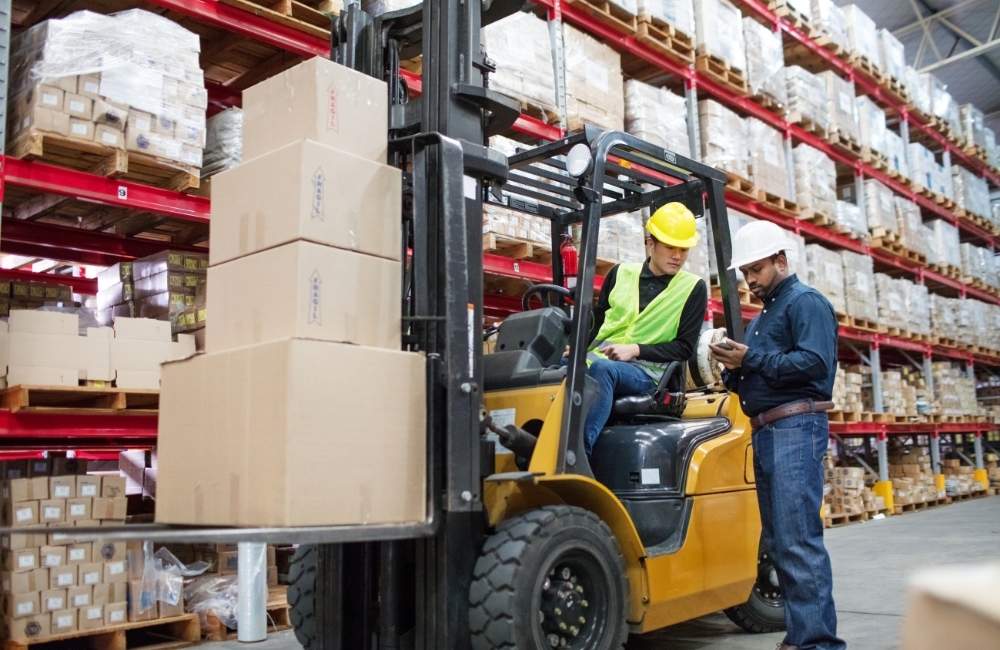
Forklift maintenance near me is essential to maximizing the working life of a forklift. These machines perform demanding tasks every day and are exposed to rough environments, making them prone to gradual wear. With proper care, however, forklifts can remain in excellent working condition for many years.
Prevents Excessive Wear and Tear
Over time, even small problems can develop into costly mechanical failures if left unchecked. Regular servicing allows technicians to address issues early and prevent premature damage to essential parts.
- Lubrication and Cleaning Prevent Damage: Without proper lubrication, friction between moving parts increases, leading to overheating, metal fatigue, and system failure. Cleaning also removes dirt and debris that can grind into surfaces or clog key components.
- Brake and Tire Checks Avoid Early Replacements: Brake pads wear down slowly and may become dangerously thin before anyone notices. Regular inspections ensure timely replacement, preventing unsafe conditions. Likewise, tire wear affects traction and stability, and checking pressure and tread depth helps extend their usability.
- Fluid Levels Keep Systems Stable: Hydraulic systems, transmission, and cooling systems all rely on clean, sufficient fluids to function correctly. Low or dirty fluids can cause overheating, power loss, or jerky movements that put stress on the entire forklift.
Improves Equipment Efficiency
A well-maintained forklift does more than just last longer — it also performs better every day. Smooth operation helps teams move goods faster, handle heavier loads, and experience fewer technical interruptions.
- Engine Tune-Ups Improve Performance: Services like replacing spark plugs, checking belts, or updating control software keep the engine running smoothly. This leads to faster starts, quieter operation, and lower emissions.
- Calibration Ensures Accurate Operation: Fork position, lifting mechanisms, and steering systems require occasional recalibration to maintain precision. This ensures operators can handle materials accurately without overcompensating, which reduces strain on both the machine and the product.
- Early Detection Prevents Breakdown Cycles: Technicians can spot signs of stress such as vibration, overheating, or unusual noises. Identifying and repairing these symptoms early helps prevent full system failures that often result in long-term damage.
Builds a Maintenance History
Keeping a detailed record of forklift service is a practical step toward asset management. Using a forklift service center or partnering with local forklift repair services helps companies establish consistent maintenance routines and reliable tracking systems.
- Detailed Records Support Resale Value: A forklift with a complete maintenance history is more attractive to buyers and can be sold or traded at a higher value. Buyers are more confident in equipment that has been professionally cared for.
- Tracks Wear Patterns Over Time: Tracking recurring issues helps technicians identify patterns in part failures or performance dips. This insight allows for targeted repairs and smarter scheduling of replacements.
- Simplifies Compliance Audits: Many industries require regular safety inspections or documentation for insurance and regulatory reasons. A solid maintenance log makes it easier to pass these audits without delays or penalties.
a. Improves Workplace Safety
Safety is a major reason to prioritize routine forklift maintenance near me. Forklifts that go without regular inspections can become hazardous, putting both operators and nearby workers at risk. According to the Occupational Safety and Health Administration (OSHA), forklifts are involved in roughly 25% of construction-related accidents. Each year, an estimated 35,000 serious injuries and 62,000 non-serious injuries are linked to forklift incidents—many of which could be prevented through forklift repair near me and timely maintenance.
Link Between Maintenance and Safety
Consistent maintenance plays a vital role in preventing accidents and keeping the workplace running smoothly. Forklifts used in busy warehouses, shipping yards, or construction zones must operate at their best to avoid potential hazards.
- Prevents Mechanical Failures: When parts like brakes, steering systems, or hydraulics fail without warning, it can lead to serious accidents. Maintenance allows technicians to spot early signs of wear and replace parts before failure occurs.
- Improves Handling and Control: Forklifts with poorly functioning steering or uneven tires are harder to control, increasing the risk of collisions. Regular check-ups ensure better precision and smoother operation during lifting, turning, and stopping.
- Reduces Risk of Tip-Overs: Imbalances caused by damaged lift systems or misaligned components can make forklifts unstable. Routine inspections help correct these issues and prevent tip-over accidents, especially when handling heavy loads.
- Ensures Visibility and Signaling: Broken lights, faded mirrors, or faulty horns reduce the operator’s ability to see and communicate. Maintenance ensures that all visual and audio warning systems are fully operational, improving communication on the job site.
- Protects Pedestrians in the Work Area: In environments where forklifts and people work side by side, any equipment failure can put bystanders at risk. Safe, reliable machinery helps reduce the chance of injuries caused by unexpected movement or load drops.
Injuries Related to Forklift Malfunctions
When forklifts aren’t regularly serviced, the risk of injury increases significantly. Mechanical failures caused by poor maintenance—such as brake issues, steering faults, or hydraulic leaks—can lead to serious accidents. Working with a trusted forklift service center or local forklift repair services helps prevent these incidents and keeps workers safe.
- Crushed Limbs or Feet: Sudden drops or uncontrolled movement can trap a worker’s hand, leg, or foot between the forklift and another surface.
- Back or Neck Injuries: Improper lifting or unstable loads, often caused by hydraulic failure, can lead to strain or trauma during operation.
- Head Trauma: Accidents involving falling loads or tip-overs may result in head injuries, especially when safety cages are damaged or missing.
- Fractures and Broken Bones: Collisions due to steering or brake failure can cause severe impacts, leading to broken bones for operators or nearby staff.
- Whiplash or Soft Tissue Damage: Sudden stops or jolts from mechanical failure may cause whiplash or muscle strain.
3. Enhances Performance and Efficiency
Routine forklift maintenance near me has a direct impact on how effectively equipment performs in real-world working conditions. Forklifts that are regularly serviced tend to run more smoothly, respond faster, and experience fewer interruptions. This leads to increased productivity and better handling of daily tasks.
Smooth and Reliable Operation
When a forklift is maintained properly, it performs with greater stability and consistency. Mechanical issues are less likely to occur, and the operator can rely on the equipment to function the way it’s supposed to.
- Reduced Engine Strain: Frequent oil changes, filter replacements, and engine checks prevent overheating and reduce pressure on engine components. This helps extend the motor’s life and improves fuel efficiency.
- Stronger Hydraulic Response: Hydraulics play a key role in lifting and lowering loads. Regular fluid checks and component inspections improve lifting accuracy and prevent jerky or unresponsive movements.
- Less Vibration and Noise: Maintenance helps reduce unnecessary friction in moving parts, which leads to smoother rides and quieter operation. This minimizes operator fatigue and improves comfort during long shifts.
Increased Productivity and Load Handling
A forklift in top condition can move more loads in less time without compromising on safety or control. This translates into faster turnaround times and better use of manpower.
- Faster Load Movement: A properly maintained forklift operates with quicker lift speeds and smoother transitions between functions, allowing for faster movement of materials throughout the day.
- Consistent Power Output: Regular battery checks, fuel inspections, and electrical system testing help ensure that power delivery remains consistent across an entire shift. This prevents stalls or slowdowns during peak hours.
- Safer Load Balance: Alignments, tire checks, and mast inspections help maintain the balance of the forklift. This reduces the risk of tipping or dropping loads, especially when moving heavy or awkwardly shaped materials.
4. Reduces Repair Costs Over Time
Consistent forklift maintenance is not just a recommendation—it’s a cost-saving strategy. When forklifts are inspected and serviced routinely, small issues can be corrected before they escalate into major problems.
Prevents Expensive Repairs Later
Fixing a minor issue is always less costly than dealing with a major breakdown. Regular maintenance identifies early signs of wear, allowing technicians to act before more damage is done.
- Early Detection of Wear and Tear: Nearby forklift mechanics can spot issues such as low hydraulic fluid, misaligned forks, or faulty electrical components before they impact safety or performance. Addressing these small problems early avoids the need for major overhauls later.
- Lower Part Replacement Frequency: Well-maintained parts do not wear out as quickly. By cleaning, lubricating, and adjusting components during service visits, businesses can delay the need for costly replacements.
- Reduced Risk of System Failures: Systems like brakes, steering, and lifting mechanisms work under constant pressure. A nearby forklift mechanic helps prevent these critical parts from breaking down unexpectedly, saving time and money.
Minimizes the Need for Emergency Service Calls
Emergency repairs can be expensive and disruptive. A nearby forklift mechanic reduces the chance of sudden equipment failure and the need for urgent attention.
- Avoids Rush Fees and Overtime Charges: Emergency service often comes with added labor costs and higher parts pricing. Preventative maintenance eliminates the need for these last-minute expenses.
- Keeps Operations Running Smoothly: A forklift that fails in the middle of a shift can halt operations and delay shipments. Regular maintenance ensures equipment is always ready to perform.
- Less Downtime, More Productivity: Every minute of downtime means lost revenue and stalled workflows. Preventative care keeps forklifts in service, helping teams stay on schedule and meet demands.
5. Maintains Warranty and Compliance
Routine forklift servicing is not just about keeping machines running—it’s also a critical part of protecting the manufacturer’s warranty and staying compliant with safety standards. Companies that skip scheduled maintenance often face higher repair costs, warranty issues, and even fines during audits.
Supports Manufacturer Warranty Terms
Forklift manufacturers provide warranties with clear guidelines, including the need for consistent, documented maintenance. Ignoring these requirements can result in voided coverage, even if the equipment is relatively new.
- Proof of Preventive Maintenance: Manufacturers often require written evidence that all scheduled maintenance has been performed. Service logs from certified technicians act as proof when warranty claims are submitted.
- Avoids Voided Coverage: Missing service intervals or using unqualified technicians can cause the warranty to become invalid, even if a serious issue arises later.
- Reduces Out-of-Pocket Costs: With proper servicing, costly repairs may be covered by the warranty. Without it, businesses must pay out-of-pocket for parts and labor that could have been handled at no additional charge.
Ensures Safety Audit Readiness
Well-maintained forklifts are more likely to pass regulatory inspections. Having complete service records on file is key to showing auditors that safety protocols are followed.
- Accurate Service Records: A detailed history of inspections, repairs, and part replacements—often provided by a forklift service center—shows that maintenance is taken seriously.
- Minimizes Liability Risks: In the event of an incident, proper maintenance logs can prove the equipment was safe to operate. This can protect companies from penalties, legal claims, or damaged reputation.
6. Boosts Resale or Trade-In Value
Keeping a forklift in excellent shape pays off long-term—especially when it’s time to sell or trade the equipment. A forklift that has been well-maintained not only performs better but also holds greater market value.
Why Maintenance History Matters
A forklift’s resale or trade-in value is strongly influenced by how well it has been maintained. Buyers and dealerships prioritize equipment that runs reliably and has been serviced by trusted professionals.
- Proves Care and Reliability: A clear record of regular upkeep shows that the equipment wasn’t neglected and reduces hesitation for buyers.
- Minimizes Buyer Risk: Detailed service logs reduce uncertainty about future breakdowns or hidden issues.
- Shortens Sales Timeline: Equipment in top shape with documentation often sells faster, since it requires less inspection and repair.
- Strengthens Negotiation Power: Sellers with proof of consistent forklift maintenance near them can command better prices or terms.
Get a Head Start with Routine Maintenance
Sellers aiming for a higher resale or trade-in value should begin building a strong maintenance record early on.
- Keep Detailed Logs: Always document work done, including dates and service descriptions.
- Schedule Consistent Service: Work with professionals offering regular checkups, such as providers offering forklift repair near me or forklift maintenance near me services.
- Use Local Experts: Partnering with nearby technicians strengthens consistency and ensures the forklift’s condition is always up to standard.
Frequently Asked Questions
How often should I service my forklift?
Most manufacturers recommend servicing forklifts every 200 to 250 hours of use, but this can vary based on workload and usage environment. For high-usage equipment, more frequent maintenance might be needed to keep it running smoothly. It’s important to follow the service schedule outlined in the equipment manual. Regular inspections by professionals can help catch early signs of trouble.
What are the common signs that my forklift needs repair?
Signs your forklift may need repair include strange noises, reduced lifting power, fluid leaks, or warning lights on the dashboard. Difficulty steering or braking can also signal deeper mechanical issues. Any noticeable change in performance should be taken seriously to avoid further damage. Delaying repairs can compromise operator safety and increase downtime.
How can I find reliable forklift repair near me?
Look for repair services with certified technicians, good customer reviews, and fast response times. Many reputable providers offer on-site service or mobile repair units for convenience. Ask for recommendations from other businesses in your area or check online directories. A reliable repair partner will be transparent about pricing and provide a clear maintenance schedule.
What are the risks of skipping forklift maintenance?
Skipping maintenance increases the risk of sudden breakdowns and workplace accidents. Over time, neglect can lead to major issues like engine failure, brake malfunction, or hydraulic leaks. These problems can halt operations and result in expensive emergency repairs. It also increases liability if equipment failure causes injury or property damage.
What records should I keep for forklift maintenance?
You should maintain detailed records of every service, repair, and inspection performed on each forklift. This includes dates, technician names, parts replaced, and notes on performance issues. Keeping accurate logs helps track maintenance history and ensures compliance with safety regulations. It also provides valuable insights when evaluating long-term performance and replacement planning.
Schedule Trusted Forklift Service Backed by Experts!
Keep equipment running strong and ready with reliable care from Lauderdale Lakes, FL’s go-to provider—Almeida Forklifts.
Our team delivers certified repairs, expert diagnostics, and preventative maintenance tailored to extend the lifespan of your forklifts and safeguard your investment.
Don’t wait for a breakdown! Call Almeida Forklifts today and discover why local businesses rely on us for dependable, honest, and professional forklift service.