
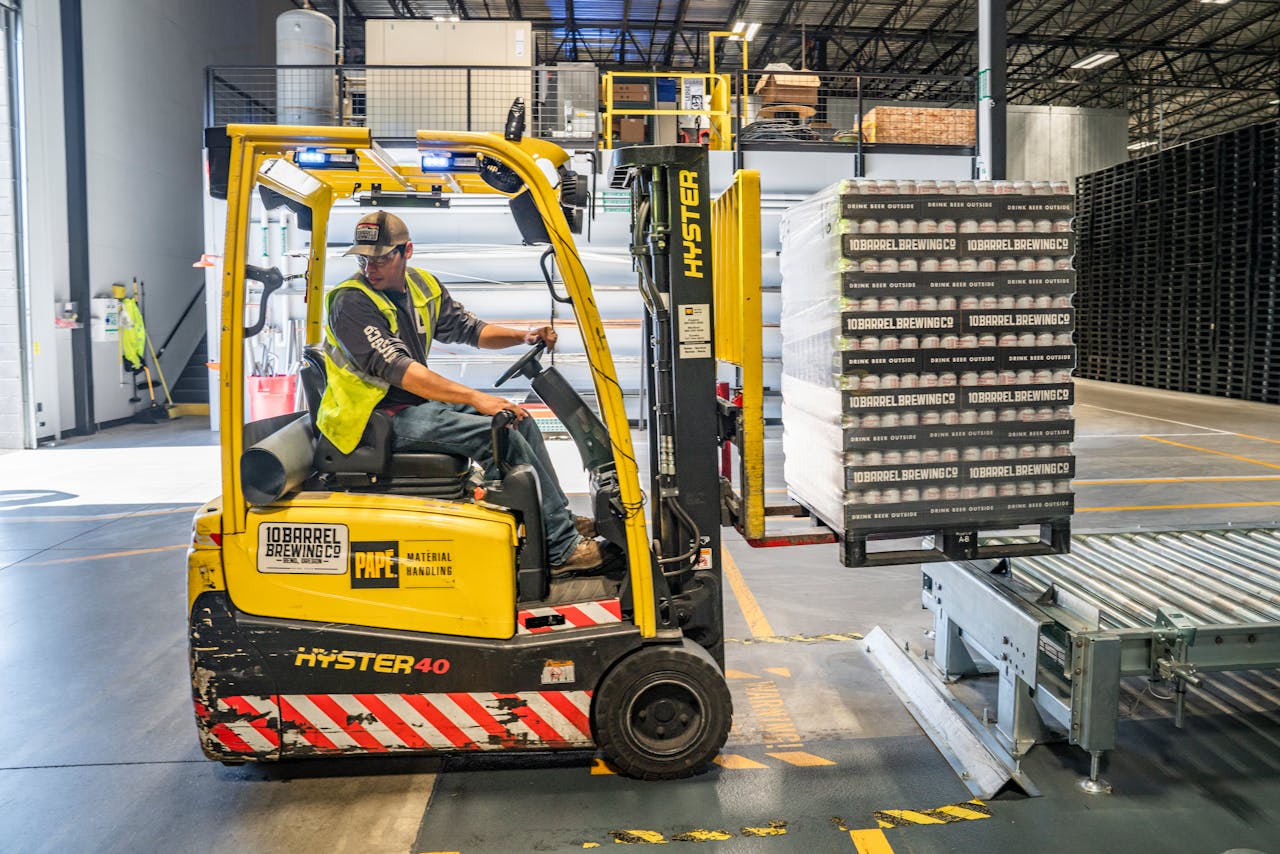
Operating a sit down forklift requires more than just basic driving ability—it takes skill, focus, and proper safety awareness. These machines are powerful tools used daily in warehouses, factories, and distribution centers to move heavy materials efficiently.
In fact, forklifts were the source of 67 work-related deaths in 2023, highlighting the importance of safe operation and proper training.
You must be trained, evaluated, and certified by your employer before operating any sit-down forklift. The certification process includes formal classroom-style instruction and hands-on practical training.
Table of Contents
Key Takeaways
✔ Pre-operation checks and proper setup help ensure safety and smooth forklift performance.
✔ Learning the basic controls and movements builds confidence and prevents accidents.
✔ Safe load handling depends on correct fork positioning, balance, and awareness.
✔ Proper parking procedures keep the forklift stable and the work area hazard-free.
✔ Beginners can learn quickly with guided training and consistent practice.
✔ Regular practice and refresher courses strengthen skills and safety awareness.
✔ Operating without certification breaks OSHA rules and can lead to serious penalties.
Before You Drive a Sit Down Forklift
Before starting a sit down forklift, it’s important to prepare properly. Doing a few safety checks ensures the equipment is ready and safe to use.
1. Conduct a Pre-Operation Inspection
Every operator should inspect the forklift before using it. This helps identify problems early and prevents malfunctions during use.
Inspection Checklist:
- Check for visible damage
- Test the brakes and steering:
- Verify fluid levels
- Inspect the horn and lights
Even used forklifts for sale must go through proper inspections before being put to work. This step helps ensure safety, even with older equipment.
2. Adjust the Seat and Controls
Once the forklift passes inspection, the operator should adjust the seat for comfort and good posture. Proper seat adjustment also helps maintain visibility of the surroundings. The sit down forklift controls include the steering wheel, directional levers, pedals, and hydraulic controls. Becoming familiar with these ensures smooth and confident operation.
Adjustment Tips:
- Move the seat forward or backward for a comfortable reach to pedals.
- Adjust mirrors for a full view of the work area.
- Make sure hands and feet can easily access the controls.
Some sit down forklifts may have slight variations in layout, so operators should always review the control setup before starting.
3. Fasten the Seatbelt
Wearing a seatbelt is not optional—it’s a must. It prevents the operator from being thrown out in case of a tip-over or sudden stop. The seatbelt should be fastened snugly before moving the forklift.
4. Check the Surrounding Area
Before driving, the operator should always look around. This step helps avoid collisions with other equipment or workers.
- Use the horn when passing through intersections.
- Watch for pedestrians or stacked materials.
- Make sure the path is clear and well-lit.
Many accidents happen because operators fail to check their surroundings. Awareness is one of the simplest and most effective safety habits.
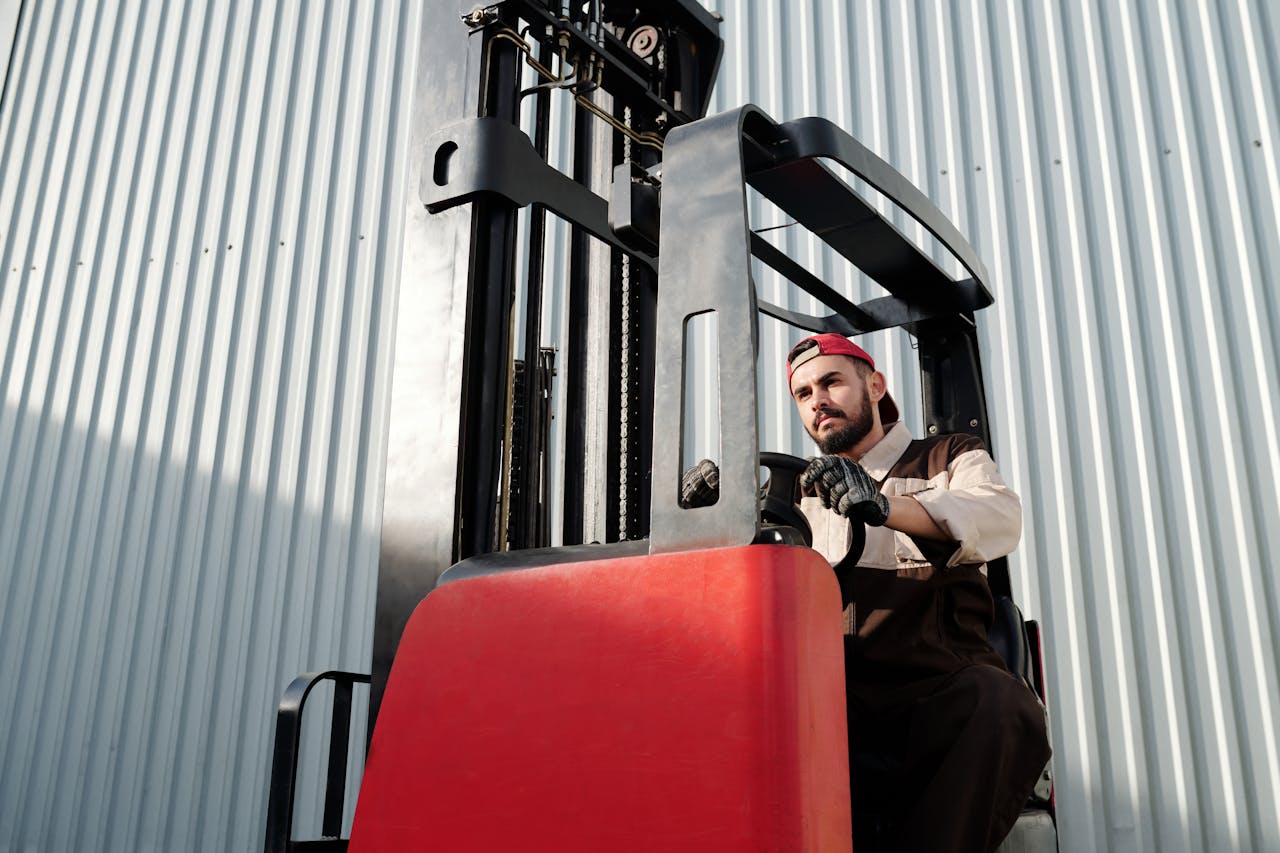
Basic Operation of a Sit Down Forklift
After the pre-drive checks, it’s time to start and operate the forklift safely. Understanding the basic movement and steering methods makes a big difference.
1. Start the Forklift
To begin, insert the key and turn the ignition to start the engine. Make sure the directional lever is set to neutral. This prevents the forklift from moving unexpectedly.
Operators should also keep an eye on the instrument panel to check for warning lights. Whether the forklift is new or one of the used forklifts for sale, knowing how to start it correctly helps extend its life.
2. Lift the Forks Slightly
After the forklift is on, use the hydraulic lever to raise the forks about 2 to 4 inches off the ground. This prevents the forks from scraping or getting caught on uneven floors. Once a load is placed on the forks, tilting the mast slightly back will stabilize the weight.
These actions help balance the forklift, especially when moving heavier loads. A sit down clamp forklift may have additional attachments, so operators must handle them with care to avoid damage to goods.
3. Go Forward and Reverse
The direction control lever allows the forklift to move forward or backward.
Steps to Move:
- Press the brake pedal firmly.
- Move the direction lever to “Forward” or “Reverse.”
- Release the parking brake.
- Gently press the accelerator with the right foot.
Always look in the direction of travel—especially when reversing. The forklift sit down type makes it easy to turn the head and see behind, so there’s no excuse for blind backing.
4. Steer with the Rear Wheels
Sit-down forklifts steer using their rear wheels. This makes them more maneuverable but also causes the rear end to swing out wide when turning.
To avoid hitting nearby racks or walls:
- Start the turn only after the rear of the forks has cleared the corner.
- Move slowly in tight spaces.
Practicing these moves helps beginners get used to how sit down forklifts respond during turns.
5. Use the Inching Pedal (If Equipped)
Some forklift sit down comes with an inching pedal, usually placed to the left of the accelerator. It allows for slow, precise movement while keeping the engine speed high for hydraulic functions. This feature is useful when aligning forks or approaching a load carefully. Whether using a new model or one of the used forklifts for sale, mastering this pedal improves control and precision.
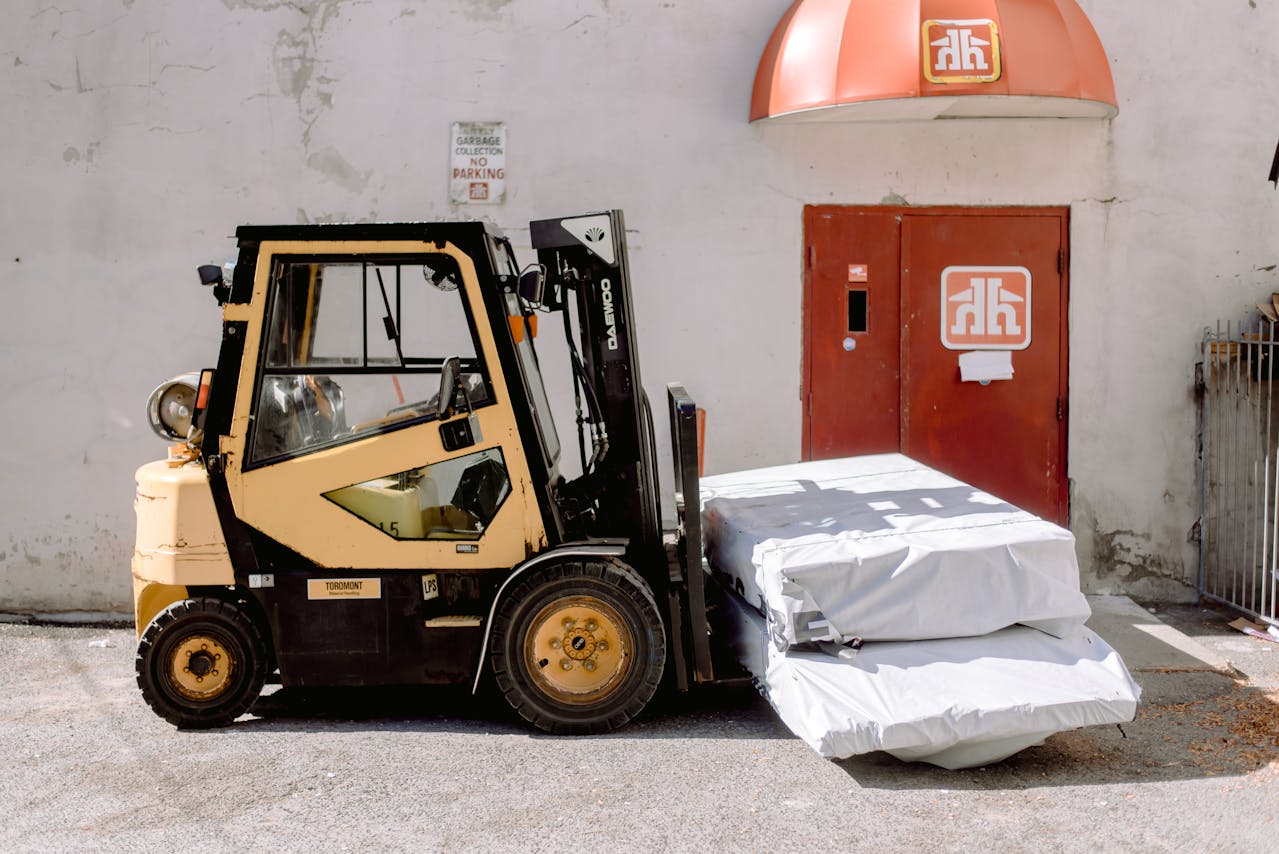
Handling a Load with a Sit Down Forklift
Handling materials safely is one of the most important parts of forklift operation. Doing it correctly prevents injuries and product damage.
1. Approach the Load Carefully
Move slowly toward the pallet and stop about one foot away. Shift to neutral, set the brake, and adjust the fork height before moving closer for safe handling.
2. Align the Forks
Keep the forks level and spaced correctly for balance. When using a sit down clamp forklift, make sure the clamps are aligned to hold the load securely without damage.
3. Insert the Forks
Once aligned, move forward slowly until the forks are completely under the load. Avoid partial lifts, as they can make the load unstable. Check that the pallet is balanced and not damaged before raising it.
4. Raise and Tilt the Load
Lift the load just enough to clear the ground and tilt the mast back slightly. This secures the load against the carriage and improves stability while driving.
5. Travel with the Load Low
The safest way to move a load is with the forks low to the ground.
Reasons to Keep the Load Low:
- Reduces the chance of tipping.
- Improves forward visibility.
- Keeps the center of gravity stable.
The sit down forklift controls make it easy to adjust fork height while moving, allowing for safe and steady travel.
6. Unload the Pallet
When reaching the destination, stop the forklift, shift to neutral, and set the parking brake.
Unloading Steps:
- Tilt the mast forward to make it vertical.
- Raise the load slightly above the shelf or stack.
- Move forward slowly until the pallet is in position.
- Lower the load carefully.
- Back out slowly once the pallet is stable.
Even used forklifts for sale can handle unloading efficiently if maintained and operated properly.
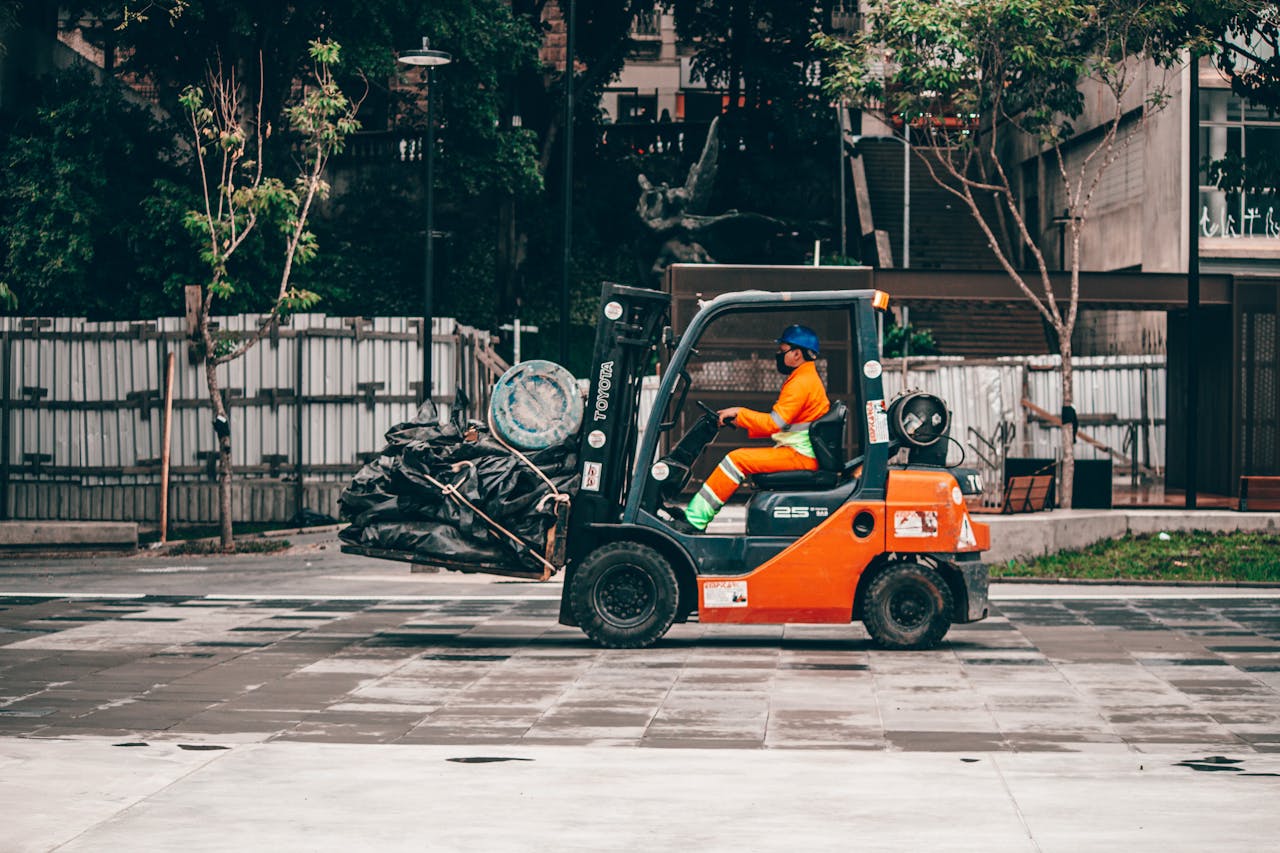
Parking a Sit Down Forklift
Parking correctly ensures the forklift won’t move unexpectedly and that it’s safe for others in the area.
1. Find a Safe Parking Spot
Always park on a flat, stable surface. Avoid blocking exits, emergency routes, or walkways. A sit down forklift parked incorrectly can become a hazard to pedestrians.
2. Lower the Forks Fully
Once parked, lower the forks until they rest flat on the ground. This prevents people from tripping and keeps the equipment stable.
For those looking to buy used forklifts for sale, checking the hydraulic system’s ability to lower and hold forks properly is an important inspection point.
3. Set the Brakes and Controls
Shift the forklift into neutral and engage the parking brake. Set all hydraulic controls to neutral or off positions to avoid accidental movement.
4. Turn Off the Engine
Turn the key to the “off” position and remove it from the ignition. Always dismount facing the forklift, maintaining three points of contact for safety. The sit down forklift controls should be left in neutral and the forks lowered completely before leaving the operator’s seat.
How Difficult Is It for a Beginner to Learn Forklift Operation?
Learning to drive a forklift sit down model isn’t too hard with proper training. It operates much like a car, which helps beginners learn faster. Regular practice builds confidence and control. Even with used forklifts for sale, certified training ensures safe and skilled operation.
What Are the Best Ways to Improve Forklift Driving Skills?
Improving forklift skills takes practice, patience, and continuous learning.
Practical Ways to Improve:
- Regular Practice: Frequent use helps operators become more confident and efficient.
- Safety Refreshers: Attending refresher training sessions helps operators stay updated on best practices.
- Observe Experienced Operators: Watching skilled operators can provide useful techniques for maneuvering and load handling.
- Inspect Equipment Often: Knowing how a sit down forklift behaves during use helps identify maintenance needs early.
Operators who use specialized machines like a sit down clamp forklift should also get additional training to handle specific attachments safely.
Is It Against the Law to Operate a Forklift Without Proper Training?
Operating a sit down forklift without certification is against OSHA rules. Every operator must complete approved training and evaluation to show they can drive safely and handle loads properly. Employers must ensure workers are qualified, even when using used forklifts for sale.
Frequently Asked Questions
How often should a forklift be inspected?
A forklift should be checked before each shift to ensure it’s safe to use. Regular maintenance by a qualified technician is also recommended every few months. Routine inspections help prevent costly repairs and keep the equipment running smoothly.
Can a sit down forklift be used outdoors?
Yes, a sit down forklift can be used outdoors if it’s equipped with the right tires and weather-resistant features. Pneumatic tires provide better traction on rough surfaces. However, electric forklifts are generally better suited for indoor environments.
How long does forklift certification last?
Forklift certification typically lasts three years before renewal is required. After that, operators must complete refresher training or re-evaluation. This ensures they stay updated on safety rules and equipment changes.
What happens if a forklift tips over?
If a forklift tips over, the operator should stay seated, brace with their feet, and lean away from the direction of the fall. Jumping off can cause serious injury. Proper seatbelt use greatly reduces the risk of harm during a tip-over.
What kind of tires do sit down forklifts use?
Sit down forklifts typically use cushion tires for indoor use and pneumatic tires for outdoor work. Cushion tires are smooth and ideal for flat surfaces, while pneumatic ones handle uneven ground better. Choosing the right type depends on the work environment.
Get Forklift Solutions Made Easy in Lauderdale Lakes, FL
Almeida Forklifts offers full-service sales, repairs, rentals, and certified inspections right in Lauderdale Lakes, FL. From forklift maintenance to sourcing used forklifts for sale, our experts deliver fast response and trusted support. As a top provider in Lauderdale Lakes, FL, Almeida Forklifts ensures equipment stays safe, compliant, and efficient.
Reach out to Almeida Forklifts now to request a quote or schedule a service in Lauderdale Lakes, FL!