
Table of Contents
Key Takeaways
What is a Forklift?
Top 10 Benefits of Choosing Used Fork Trucks For Your Business
- Cost Savings
- Immediate Availability
- Diverse Selection
- Lower Insurance Costs
- Faster Return on Investment (ROI)
- Easier Negotiations
- Adaptability and Flexibility
- Opportunity for Equipment Evaluation
- Less Paperwork and Documentation
- Transition Planning
Practical Tips for Buying Used Fork Trucks
Frequently Asked Questions
What is the most important part of a fork truck?
How many hours is good for a used forklift?
How often should you replace a forklift?
How many years to depreciate a forklift?
How often do you change the oil in a propane forklift?
Choose Almeida Forklifts for Your Forklift Needs in Lauderdale Lakes, FL!
Key Takeaways
|

What is a Forklift?
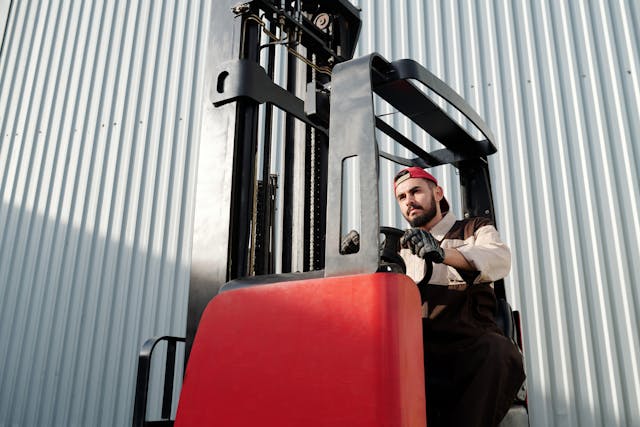
A forklift, also known as a lift truck or fork truck, is a powerful industrial vehicle designed to lift, move, and transport heavy materials over short distances. Forklifts are essential in various industries, including warehousing, manufacturing, and construction, due to their versatility and efficiency in handling loads that would be difficult or impossible to move manually.
- Types of Forklifts: There are various types of forklifts, including counterbalance, reach trucks, pallet jacks, and rough terrain forklifts. Each type serves different purposes and is suited for specific tasks.
- Fuel Options: Forklifts can be powered by different fuels, such as electric, diesel, gasoline, and propane. The choice of fuel impacts the forklift’s performance, maintenance requirements, and environmental impact.
- Key Features: Important features to consider include lifting capacity, lift height, maneuverability, and ergonomic design. These features determine the forklift’s suitability for particular applications.
- Market Trends: The forklift market is influenced by trends such as advancements in technology, increasing demand for automation, and a growing focus on sustainability. Staying updated on these trends can help businesses choose equipment that aligns with future needs.
- Market Growth: The used truck market size exceeded USD 40 billion in 2022 and is expected to grow at a 9% CAGR from 2023 to 2032. This significant growth indicates a robust demand for used equipment, including fork trucks, driven by their cost-effectiveness and immediate availability.
- Sales Statistics: In 2021, 2.1 million forklifts were sold worldwide, with over half being battery electric vehicles (BEVs), and by 2030, sales are projected to reach 2.4 million units, including 1.5 million BEVs.
Top 10 Benefits of Choosing Used Fork Trucks For Your Business
Choosing used fork trucks for your business can offer numerous advantages, from significant cost savings to increased operational flexibility, making them an attractive option for many companies.
1. Cost Savings
One of the most significant advantages of purchasing used fork trucks is the cost savings. New forklifts can be quite expensive, with prices often running into tens of thousands of dollars.
- Lower Purchase Price: The primary cost-saving aspect of used fork trucks is their lower purchase price. This makes them an attractive option for businesses looking to reduce capital expenditure.
- Budget Allocation: With the savings from purchasing used fork trucks, businesses can allocate funds to other critical areas such as employee training, maintenance, or expanding their inventory.
- Example: A company might be able to purchase multiple used fork trucks for the price of a single new one. This is particularly beneficial for small to medium-sized enterprises (SMEs) that need to optimize their budget.
- Reduced Depreciation: New forklifts depreciate quickly in the first few years. Used fork trucks, however, have already undergone significant depreciation, meaning their value remains more stable over time. This stability can be advantageous for businesses looking to maximize their investment.
2. Immediate Availability
New forklifts typically have long lead times due to manufacturing and shipping processes. In contrast, used fork trucks are usually available for immediate purchase. This immediacy can be a game-changer for businesses facing urgent operational needs.
- Reduced Downtime: Immediate availability ensures that businesses can quickly replace malfunctioning equipment, minimizing downtime and maintaining productivity.
- Operational Flexibility: Access to used fork trucks allows businesses to respond swiftly to unexpected changes in demand or urgent project requirements, providing the flexibility needed to handle fluctuations without delay.
- Example: A retail distribution center experiences a sudden increase in product demand during the holiday season. By acquiring a used fork truck immediately, they can efficiently manage the additional workload without delays, meeting customer expectations and maximizing sales opportunities.
- Market Readiness: Used fork trucks are often ready for deployment without the need for extensive setup or customization. This readiness allows businesses to integrate them into their operations with minimal delay.
3. Diverse Selection
The market for used fork trucks is vast and varied, offering a diverse selection of models, makes, and specifications. Whether a business requires a particular type of forklift, such as electric or diesel, or needs specific features like high lifting capacity or compact size, there’s likely a used fork truck that fits the bill.
- Wide Range of Models: Businesses can choose from a variety of models, including counterbalance, reach, and pallet trucks, to meet their specific needs.
- Customization Options: Used fork trucks can be further customized or equipped with additional attachments to enhance their functionality.
- Brand Variety: The availability of various brands means that companies can choose from reputable manufacturers known for their reliability and performance.
- Example: A warehouse may need a mix of electric and diesel forklifts for different tasks. The used fork truck market provides ample options to meet these diverse requirements.
- Specialized Equipment: The diverse selection also includes specialized equipment for niche applications, such as narrow aisle forklifts for tight spaces or heavy-duty forklifts for industrial use.
4. Lower Insurance Costs
Another often-overlooked benefit of used fork trucks is the potential for lower insurance costs. Insurance premiums for equipment are typically based on the value of the item. Since used fork trucks have a lower purchase price than new ones, the insurance premiums are correspondingly lower.
- Reduced Premiums: Lower insurance premiums translate to ongoing savings for the business, reducing operational expenses. It also allows businesses to allocate funds to other essential areas, improving overall financial health.
- Example: A small construction company insures a used fork truck fleet and notices a significant reduction in insurance premiums. These savings enable the company to invest more in employee training programs and safety equipment, ultimately enhancing productivity and reducing accident risks.
- Risk Mitigation: Used fork trucks often have established performance histories, which can lead to lower perceived risk and thus lower insurance premiums. Insurers may view well-maintained used equipment as less risky compared to brand-new machinery with unknown reliability.
5. Faster Return on Investment (ROI)
The lower initial cost of used fork trucks translates into a faster ROI. Businesses can recoup their expenditure more quickly, as the upfront savings on the purchase price reduce the time needed to achieve profitability.
- Quicker Payback Period: The reduced initial investment means businesses can see financial returns faster, improving cash flow and profitability. Faster ROI allows businesses to reinvest in other areas, fueling growth and expansion.
- Example: Consider a business that is deciding between purchasing a new fork truck for $30,000 and a used fork truck for $15,000. If the fork truck generates an additional $10,000 in profit annually through increased efficiency and productivity, the ROI for the used fork truck is achieved in just 1.5 years compared to 3 years for the new one.
- Cash Flow Management: The faster ROI from used fork trucks can enhance a company’s cash flow management, providing the financial flexibility to pursue new opportunities and manage expenses more effectively.
6. Easier Negotiations
When purchasing used fork trucks, the negotiation process is often more straightforward than with new equipment. Sellers of used equipment, whether they are private individuals or dealerships, may be more flexible in their pricing and terms.
- Flexible Pricing: Sellers of used fork trucks are often willing to negotiate on price, providing buyers with opportunities to secure favorable deals. Buyers can negotiate terms such as payment plans, warranties, and maintenance agreements to suit their needs.
- Example: A small warehouse business needs a used fork truck and finds a seller asking $18,000 for a unit. After researching similar models and understanding the typical market value, the business negotiates the price down to $15,000 by highlighting the fork truck’s usage hours and necessary maintenance work. Additionally, they successfully negotiate a 12-month warranty and a flexible payment plan, significantly enhancing their purchasing power and cash flow management.
- Buyer Leverage: Buyers can leverage their knowledge of the used equipment market to negotiate effectively. Understanding the typical pricing, condition, and demand for used fork trucks can empower buyers to secure the best possible deal.
7. Adaptability and Flexibility
Used fork trucks offer a high degree of adaptability and flexibility. Businesses can modify or customize used equipment to meet their specific needs. Whether it’s adding attachments, changing tires, or upgrading certain features, used fork trucks can be tailored to fit unique operational requirements.
- Customization Potential: Used fork trucks can be equipped with various attachments such as side shifters, fork positioners, or clamps to enhance their functionality. The ability to adapt used fork trucks to different tasks makes them valuable assets for businesses with diverse operational needs.
- Example: A business might need to handle different types of loads, from pallets to oversized items. Used fork trucks can be easily modified to accommodate these varying requirements.
- Scalability: Used fork trucks can be scaled up or down depending on the business’s changing needs, ensuring that the equipment remains useful even as operational demands evolve.
8. Opportunity for Equipment Evaluation
One of the advantages of buying used fork trucks is the ability to evaluate the equipment’s performance before making a purchase. This hands-on evaluation helps in making informed decisions and reduces the risk of purchasing faulty or unsuitable equipment.
- Inspection and Testing: Buyers can thoroughly inspect used fork trucks, checking for signs of wear, mechanical issues, and overall condition. Test drives and operational trials allow buyers to assess the performance and handling of the forklifts.
- Historical Data: Access to maintenance records and previous usage data provides valuable insights into the equipment’s reliability and longevity, aiding in the decision-making process.
9. Less Paperwork and Documentation
Purchasing new equipment often involves extensive paperwork and documentation, including warranties, financing agreements, and compliance certifications. Used fork trucks, however, usually come with less bureaucratic hassle.
- Simplified Transactions: The reduced paperwork and streamlined processes make acquiring used fork trucks more efficient and less time-consuming. Less paperwork means fewer administrative tasks, allowing businesses to allocate resources to more productive activities.
- Speedier Acquisitions: The simplified paperwork process enables businesses to acquire used fork trucks more swiftly, facilitating faster integration into operations and minimizing delays.
10. Transition Planning
Used fork trucks facilitate easier transition planning for businesses. When integrating new equipment into existing operations, there can be a learning curve and adjustment period. Used fork trucks, however, often come with familiar controls and features, making the transition smoother for operators.
- Quick Integration: The consistent design and functionality of used fork trucks allow operators to quickly understand the equipment, minimizing the time needed for adaptation. This ensures that businesses maintain productivity and efficiency with minimal disruption to daily activities.
- Example: A distribution center experiences increased demand during peak season and needs to expand its operations rapidly. By acquiring used fork trucks, the center can quickly deploy the equipment without having to invest heavily in retraining operators. This allows them to handle the increased workload efficiently and meet customer demands on time.
Reduced Training Costs: Familiar controls and features mean that businesses can save on training costs, as operators require less time to become proficient with the new equipment.