
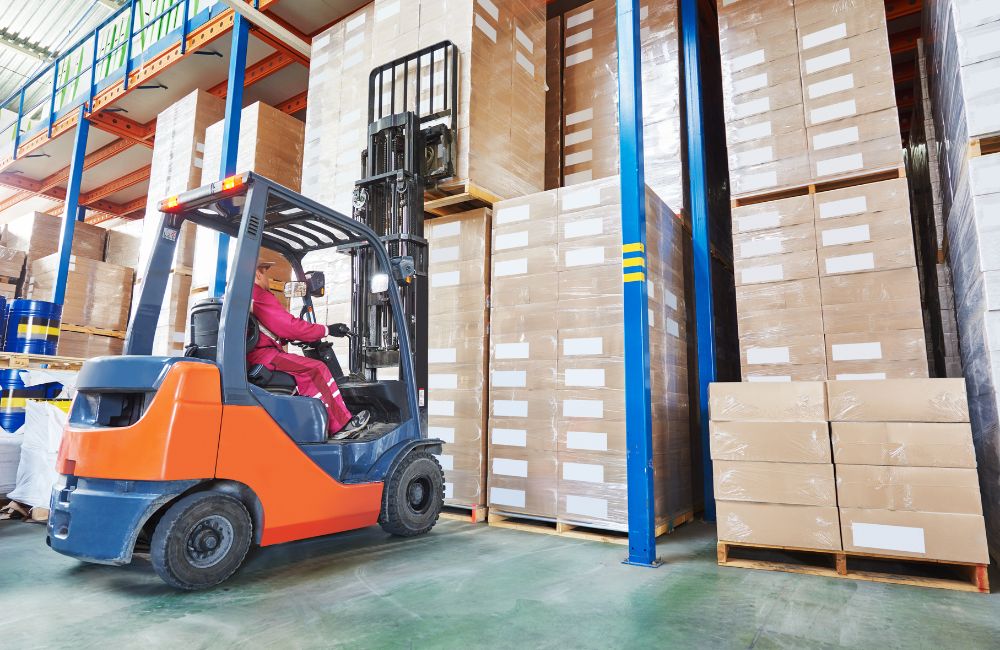
The forklift rental market was valued at USD 24.01 billion in 2023 and is projected to reach USD 35.71 billion by 2030, with a compound annual growth rate (CAGR) of 5.83% from 2024 to 2030. Selecting the right forklift rental is crucial for businesses that rely on material handling equipment. Whether you are managing a warehouse, a construction site, or a manufacturing facility, the right forklift rental can enhance productivity, ensure safety, and reduce operational costs. We will guide you through the essential factors to consider when choosing a forklift rental, helping you make an informed decision that meets your specific needs.
Table of Contents
Key Takeaways
What is Forklift Rental?
Top 6 Factors to Consider When Choosing Forklift Rental
- Determine Your Specific Needs
- Rental Duration and Flexibility
- Cost and Budget Considerations
- Maintenance and Support Services
- Safety and Training
- Reputation and Reliability of the Rental Company
Frequently Asked Questions
Key Takeaways
|

What is Forklift Rental?
Forklift rental refers to the temporary hiring of forklifts from a rental company. This option allows businesses to utilize forklifts without the long-term commitment and financial burden of purchasing the equipment outright. Forklift rental services typically include a range of forklift types, maintenance support, and flexible rental terms.
Benefits of Renting vs. Buying
Forklift rental offers several advantages over buying:
- Cost Savings: Renting eliminates the upfront capital expenditure required to purchase a forklift. This can be particularly beneficial for businesses with tight budgets or those needing equipment for a short duration.
- Flexibility: Forklift rental provides the flexibility to choose the right equipment for specific tasks. Businesses can upgrade or change the forklift type as their needs evolve. This flexibility is crucial in industries with varying demands, such as retail during peak seasons or construction projects that require different types of forklifts at different stages.
- Maintenance Responsibility: Forklift rental companies usually cover maintenance and repairs, reducing downtime and ensuring the equipment is always in good working condition. This is particularly advantageous for businesses without in-house maintenance capabilities.
- Access to Latest Technology: Renting allows businesses to access the latest forklift models and technologies without the need for significant investment. For example, newer forklifts may come with advanced safety features and ergonomic designs that improve operator comfort and efficiency.
- Scalability: Businesses can easily scale their forklift fleet up or down based on demand, ensuring they have the right amount of equipment at all times. This is especially useful for companies with seasonal fluctuations in workload.
Top 6 Factors to Consider When Choosing Forklift Rental
Choosing the right forklift rental can significantly impact your business operations, from improving productivity to ensuring safety and efficiency. Here are the top six factors to consider when choosing a forklift rental to ensure you select the best equipment for your needs.
1. Determine Your Specific Needs
Type of Forklift
Different tasks require different types of forklifts. Understanding the specific needs of your operation is crucial. The most common types of forklifts include:
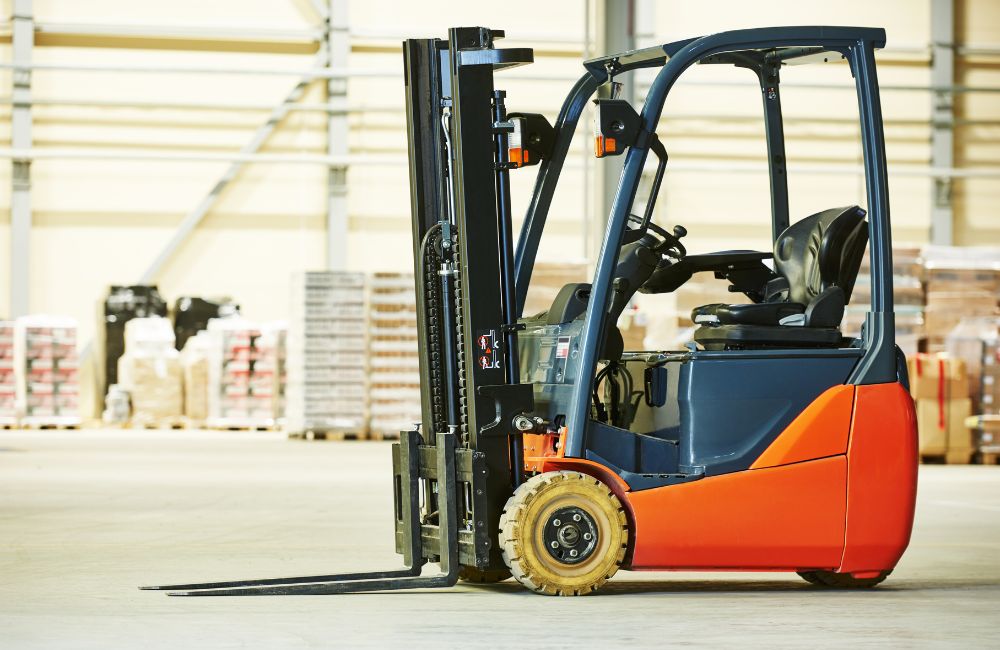
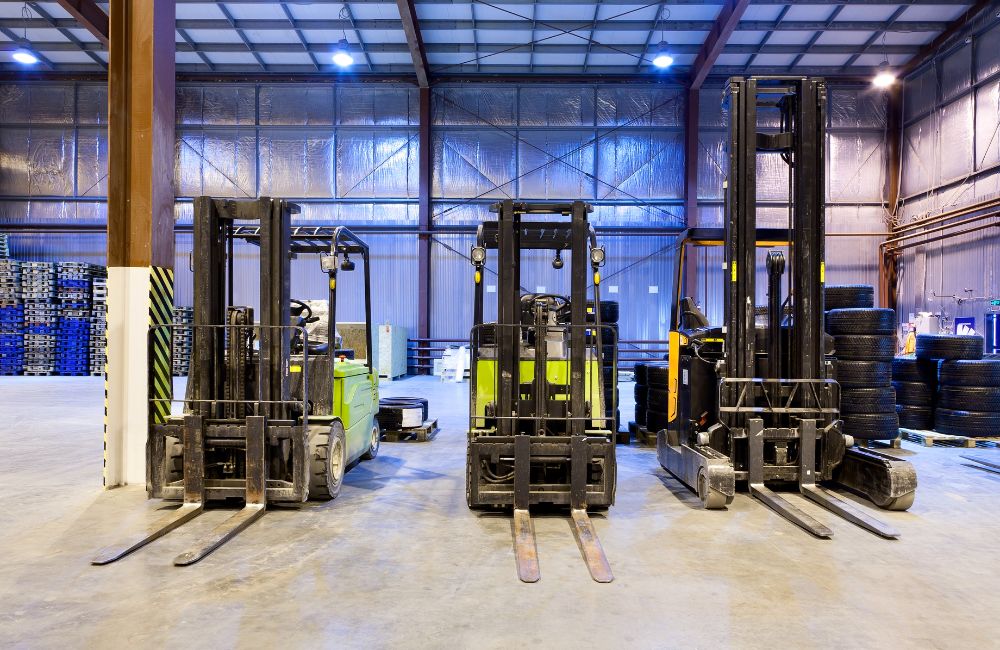
- Counterbalance Forklifts: These are the most common type, suitable for a variety of tasks, including loading and unloading goods and transporting materials. They have a straightforward design with forks protruding from the front, making them easy to operate.
- Reach Trucks: Ideal for warehouses with high shelving, reach trucks can extend their forks to reach deep into racks. They are designed for maneuverability in narrow aisles and can lift loads to significant heights.
- Pallet Jacks: Best for moving pallets within short distances, pallet jacks are compact and easy to maneuver. They are perfect for loading and unloading delivery trucks or moving items within a storage area.
- Order Pickers: Designed for use in warehouses, order pickers lift operators to the height needed to pick items from shelves. They are essential for high-density storage operations.
- Rough Terrain Forklifts: Built for outdoor use, these forklifts have large, rugged tires and powerful engines to handle uneven terrain. They are commonly used in construction sites, lumber yards, and other outdoor environments.
Load Capacity and Height Requirements
The load capacity and height requirements are critical factors. Overloading a forklift can lead to accidents and damage to goods. In 2022, forklifts were responsible for 73 work-related fatalities. Ensure the forklift rental meets your maximum load and height specifications:
- Load Capacity: Determine the maximum weight your forklift needs to lift. Assessing the heaviest loads you handle ensures the forklift can perform all required tasks without risk.
- Lift Height: Assess the highest point to which you need to lift loads. This is particularly important in high-bay warehouses or when stacking goods.
Environment and Terrain
Consider the operating environment. Indoor forklifts typically use electric power to reduce emissions and noise, making them ideal for warehouses and factories. Ensure the forklift rental is compatible with your specific working conditions:
- Indoor Use: Electric forklifts are preferred for indoor environments due to their clean operation and lower noise levels. They are ideal for food and beverage industries, pharmaceuticals, and any environment where air quality is a concern.
- Outdoor Use: Diesel or propane forklifts are more suitable for outdoor environments, offering greater power and durability on rough terrain. They can handle uneven ground, mud, and steep inclines.
- Special Conditions: If operating in extreme temperatures or corrosive environments, choose forklifts designed to withstand these conditions. For instance, forklifts used in cold storage need to be equipped to operate efficiently in low temperatures, while those in chemical plants need to resist corrosion.
2. Rental Duration and Flexibility
Short-term vs. Long-term Rentals
Understanding the duration of your need is essential. Evaluate your project timeline to choose the appropriate rental duration:
- Short-term Rentals: Useful for seasonal demands, special projects, or when testing new equipment. They offer flexibility without long-term commitments. For example, a retailer might rent additional forklifts during the holiday season to handle increased inventory.
- Long-term Rentals: Beneficial for ongoing operations where continuous use of the forklift is necessary. These rentals often come with better rates and comprehensive maintenance packages. For instance, a manufacturing plant might opt for long-term forklift rental to ensure consistent productivity.
Flexible Terms
Rental agreements should offer flexibility to accommodate unforeseen changes in your schedule. Flexible terms ensure you can adapt the rental period as your business needs change:
- Early Returns: Some rental agreements may allow early returns without penalties, providing flexibility if your project finishes ahead of schedule. This can be cost-effective if your needs change unexpectedly.
- Extensions: Ensure you can extend the rental period if needed. Some companies offer seamless extensions, while others may impose additional charges. Being able to extend the rental period without hassle can help manage unexpected project delays.
3. Cost and Budget Considerations
Rental Rates
Understand the rental rate structure. Compare the cost across different rental companies to find the most competitive rate:
- Hourly Rates: Suitable for very short-term needs or occasional use. This is often used for jobs that require just a few hours of forklift use.
- Daily Rates: Ideal for short projects or temporary peak periods. Daily rates can be beneficial for businesses with fluctuating daily needs.
- Weekly Rates: Cost-effective for medium-term needs, providing a balance between daily and monthly rates. Weekly rentals are useful for projects that span several days or weeks.
- Monthly Rates: Best for long-term projects, offering the most cost savings. Monthly rates are advantageous for continuous operations that require sustained forklift use.
Hidden Fees and Additional Costs
Be aware of any hidden fees and additional costs. Understanding potential costs upfront helps you budget more accurately:
- Delivery and Pickup Charges: Check if the rental company charges for delivering and picking up the forklift. These fees can vary based on distance and location.
- Fuel Charges: Ensure you understand who is responsible for fueling the forklift. Some rental agreements include fuel, while others require you to refuel the equipment. Knowing this can help avoid unexpected charges.
- Insurance: Verify if insurance is included in the rental rate or if you need to purchase additional coverage. Insurance can protect against potential damages or accidents.
- Excess Hours: Rental agreements often include a set number of operating hours. Exceeding this limit can result in extra charges. Make sure to track usage to stay within the agreed hours.
Cost Comparison
When comparing costs, consider the total value offered by each rental company. Look beyond the base rental rate and evaluate the included services such as maintenance, customer support, and the quality of equipment. A slightly higher rate might be justified by superior service and equipment reliability:
- Included Services: Maintenance, repairs, and support services can add significant value to the rental agreement. Ensure these services are part of the package to avoid additional costs.
- Equipment Quality: Newer and well-maintained forklifts may command higher rates but offer better performance and reliability. Quality equipment can reduce downtime and improve efficiency.
- Customer Support: Access to 24/7 support and quick response times can reduce downtime and improve operational efficiency. Excellent customer service ensures issues are resolved promptly, minimizing disruptions.
4. Maintenance and Support Services
Maintenance Inclusions
Ensure the rental agreement covers maintenance and repairs. Regular maintenance is vital to keep the forklift in safe operating condition and to prevent costly breakdowns. Rental companies typically provide maintenance services as part of the agreement, ensuring minimal downtime:
- Routine Maintenance: Includes regular inspections, oil changes, and replacement of worn parts. Regular upkeep ensures the forklift operates smoothly and safely.
- Repairs: Covers the cost of fixing any issues that arise during the rental period. Having repairs included in the rental agreement can save on unexpected expenses.
- Preventive Maintenance: Scheduled maintenance to prevent major issues and ensure the forklift operates efficiently. Preventive care helps avoid significant breakdowns that could halt operations.
Support Availability
Evaluate the availability of customer support. Reliable rental companies offer 24/7 support to address any issues promptly. This is crucial for minimizing downtime and keeping your operations running smoothly. Quick response times for maintenance and repairs can significantly impact productivity:
- 24/7 Support: Access to support at any time ensures issues are addressed promptly, minimizing disruption to your operations. This is particularly important for businesses that operate around the clock.
- On-site Technicians: Some rental companies provide on-site technicians for immediate assistance and repairs. Having a technician on-site can expedite the resolution of technical issues.
- Replacement Equipment: In case of major issues, check if the rental company offers replacement equipment to avoid prolonged downtime. A good rental company will have policies in place for providing backup equipment quickly.
Downtime Management
Understand how the forklift rental company handles equipment downtime. A good rental company will have a clear policy for replacing or repairing faulty equipment quickly. This minimizes the impact of any unexpected breakdowns on your operations:
- Replacement Policies: Ensure the rental agreement includes provisions for replacing faulty equipment without significant delays. This can prevent prolonged disruptions to your workflow.
- Repair Times: Understand the expected repair times for common issues and how quickly the rental company can respond. Quick repair times are crucial for maintaining productivity.
5. Safety and Training
Safety Features
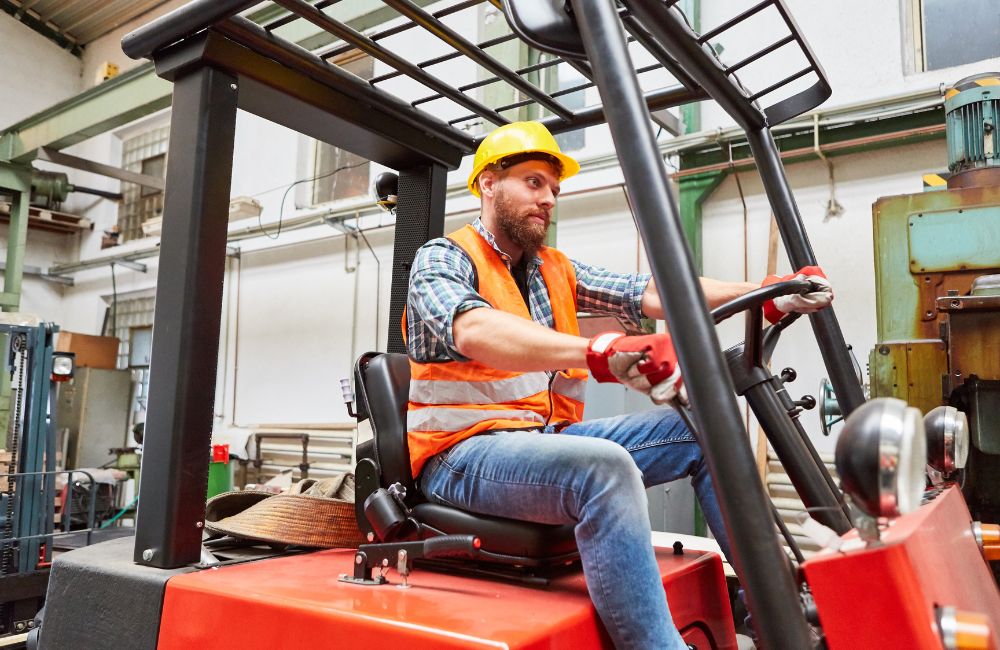
Prioritize forklifts with essential safety features. These may include seat belts, overhead guards, and backup alarms. Ensuring the equipment meets safety standards protects your workers and reduces the risk of accidents:
- Seat Belts: Essential for operator safety, preventing injuries in case of sudden stops or accidents. Always ensure seat belts are functional and used correctly.
- Overhead Guards: Protect the operator from falling objects and debris. Overhead guards are critical in environments where loads are lifted above head height.
- Backup Alarms: Audible alarms that alert workers and pedestrians when the forklift is reversing. Backup alarms can prevent accidents by increasing awareness.
- Stability Systems: Advanced stability systems help prevent tipping and improve overall safety. These systems are particularly important for forklifts operating with heavy loads or on uneven terrain.
Operator Training
Proper training for forklift operators is crucial. Many rental companies offer training programs to ensure operators are proficient and compliant with safety regulations. Trained operators can handle the equipment more efficiently and safely, reducing the risk of accidents and damage:
- Certification Programs: Ensure operators are certified according to industry standards. Certification demonstrates a baseline level of competence and knowledge.
- Safety Training: Includes training on safe operating procedures, load handling, and emergency protocols. Safety training is essential for preventing accidents and ensuring a safe working environment.
- Refresher Courses: Regular training updates to keep operators informed about new safety practices and regulations. Refresher courses ensure operators remain skilled and aware of best practices.
Safety Compliance
Ensure the rented equipment complies with industry safety standards and regulations. Regular safety inspections and certifications from the rental company provide peace of mind that the forklift is safe to use:
- OSHA Compliance: Verify that the forklift meets Occupational Safety and Health Administration (OSHA) standards. Compliance with OSHA standards ensures the forklift is safe and suitable for use.
- Regular Inspections: Rental companies should provide documentation of regular safety inspections and maintenance. Regular inspections help identify and address potential safety issues.
- Safety Records: Check the rental company’s safety records and history of compliance with safety regulations. A good safety record indicates a commitment to providing safe and reliable equipment.
6. Reputation and Reliability of the Rental Company
Company Reputation
Research the rental company’s reputation. Read customer reviews and testimonials to gauge the reliability and quality of their services. A company with a solid reputation is more likely to provide dependable equipment and excellent customer service:
- Online Reviews: Look for reviews on independent websites to get unbiased opinions. Independent reviews can provide insights into the experiences of other customers.
- Testimonials: Positive feedback from other businesses can indicate the reliability of the rental company. Testimonials can offer reassurance about the quality of service and equipment.
- Industry Awards: Recognitions and awards can highlight a company’s commitment to quality and service. Awards and recognitions are indicators of a company’s excellence in the industry.
Equipment Quality and Condition
Assess the quality and condition of the rental fleet. Inspect the forklifts for signs of wear and tear and ensure they are well-maintained. Reliable equipment minimizes the risk of breakdowns and ensures smooth operations:
- Age of Equipment: Newer forklifts are likely to be more reliable and equipped with the latest safety features. Newer models may also offer improved performance and efficiency.
- Maintenance Records: Request maintenance records to verify the forklifts have been regularly serviced. Maintenance records provide assurance that the equipment is well-cared for and in good condition.
- Inspection Reports: Ensure the rental company provides detailed inspection reports for each piece of equipment. Inspection reports can help you identify any potential issues before renting.
Customer Service
Evaluate the quality of customer service. A rental company that provides excellent customer service will be responsive to your needs and quick to resolve any issues. Good communication and support are essential for a positive rental experience:
- Response Time: Quick response times for inquiries and support requests indicate a high level of customer service. Prompt responses can reduce downtime and improve satisfaction.
- Communication Channels: Ensure the rental company offers multiple communication channels, such as phone, email, and online chat. Multiple communication options provide convenience and accessibility.
- Problem Resolution: Assess the company’s ability to resolve issues efficiently and effectively. A company with a strong focus on problem resolution ensures any issues are addressed promptly.
Frequently Asked Questions
What documents are needed to rent a forklift?
Typically, you’ll need a valid ID, proof of insurance, and a credit application or deposit. Some rental companies may also require a rental agreement to be signed.
Can I rent a forklift for just one day?
Yes, many forklift rental companies offer daily rental rates, making it possible to rent a forklift for just one day or even a few hours, depending on your needs.
What is the average cost of forklift rental?
The cost of renting a forklift can vary widely based on the type of forklift, rental duration, and location. On average, daily rates can range from $150 to $500, while monthly rates typically range from $1,000 to $1,500.
Are there any seasonal discounts for forklift rentals?
Some rental companies offer seasonal discounts or special promotions, especially during off-peak times. It’s worth asking your rental provider if any discounts are available.
What should I do if the rented forklift breaks down?
If the rented forklift breaks down, you should contact the rental company’s customer service immediately. Most reputable companies will provide quick repair services or replacement equipment to minimize downtime.
Take Action Today with Almeida Enterprises, Inc. DBA Almeida Forklifts
Ready to choose the perfect forklift rental for your business? Look no further than Almeida Enterprises, Inc. DBA Almeida Forklifts. Serving the Lauderdale Lakes, FL, area, Almeida Forklifts offers a wide range of high-quality rental options tailored to meet your specific needs.
Residents of Lauderdale Lakes, FL, can trust Almeida Forklifts for reliable, efficient, and cost-effective forklift rental solutions. Contact Almeida Enterprises, Inc. DBA Almeida Forklifts today and elevate your business in Lauderdale Lakes, FL!