
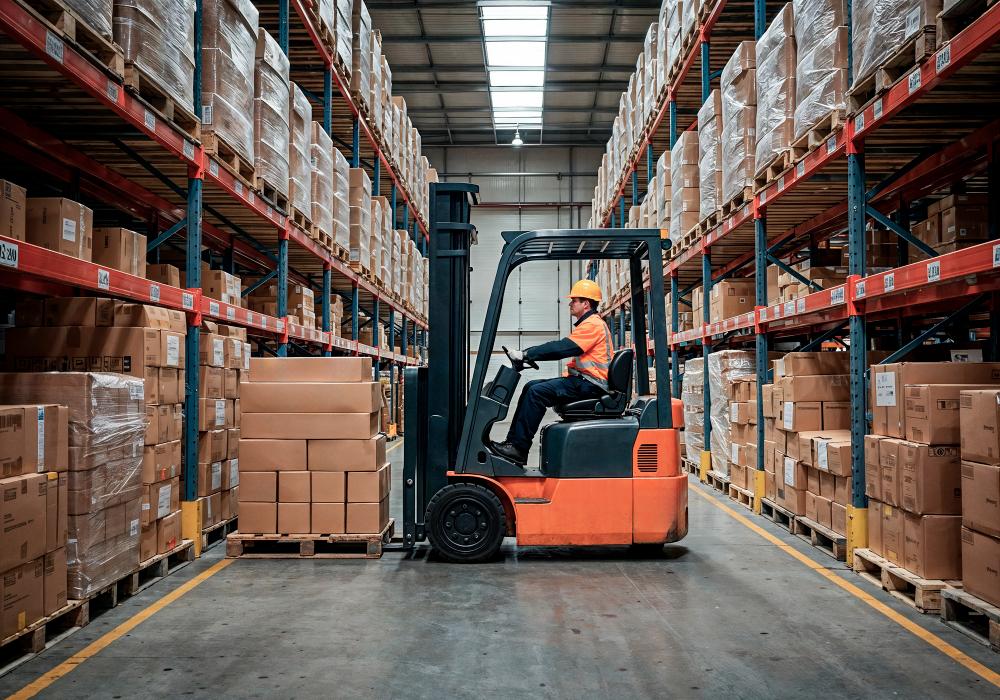
When it comes to getting the job done safely and efficiently on a construction site, the right lift can make all the difference. From hoisting heavy materials to raising workers to hard-to-reach areas, construction lifts are the backbone of modern building operations. But with so many types—boom lifts, scissor lifts, forklifts, and more—knowing which one fits your project can get confusing fast. This guide breaks down the main types of construction lifts, what they’re used for, and how each can help streamline your workflow and boost site productivity.
Table of Contents
Key Takeaways
✔ Boom lifts and forklifts are the two most widely used and versatile construction lifts across industries.
✔ Forklifts dominate material handling with unmatched versatility, power, and efficiency on any job site.
✔ Choosing the right construction lift improves safety, efficiency, and overall project productivity.
✔ Compact and specialized lifts—like buck hoists and spider lifts—serve niche needs in tight or high-rise environments.
✔ Fuel types for forklift machines include electric, diesel, and propane—each suited for specific site conditions.
What Are the Two Most Common Types of Lifts?
Two of the most common types of lifts are boom lifts and forklifts, each serving a vital yet distinct purpose.
Boom lifts provide exceptional reach and flexibility, making them ideal for tasks that require workers to access hard-to-reach areas or elevated heights safely.
Forklifts are the powerhouse construction lifts used to transport heavy materials, pallets, and equipment efficiently across job sites.
Together, these two lifting machines form the backbone of modern construction—balancing reach, power, and productivity to keep every project running smoothly.
Boom Lifts
When projects require workers to reach high places safely and efficiently, boom lifts deliver unmatched flexibility.
Articulating Boom Lifts (Knuckle Lifts)
These lifts feature jointed arms that bend and extend, making them ideal for hard-to-reach areas. Electricians, window installers, and painters often rely on this lift construction equipment to navigate around obstacles.
Telescopic Boom Lifts
Known for their straight, extended reach, telescopic booms are perfect for outdoor projects where a lifting machine must stretch to maximum height. They’re common in bridge work, large construction projects, and steel installation.
Cherry Pickers
Often used in maintenance and smaller-scale projects, cherry pickers provide safer and quicker access compared to ladders. This construction lift combines affordability with reliability.
Forklifts
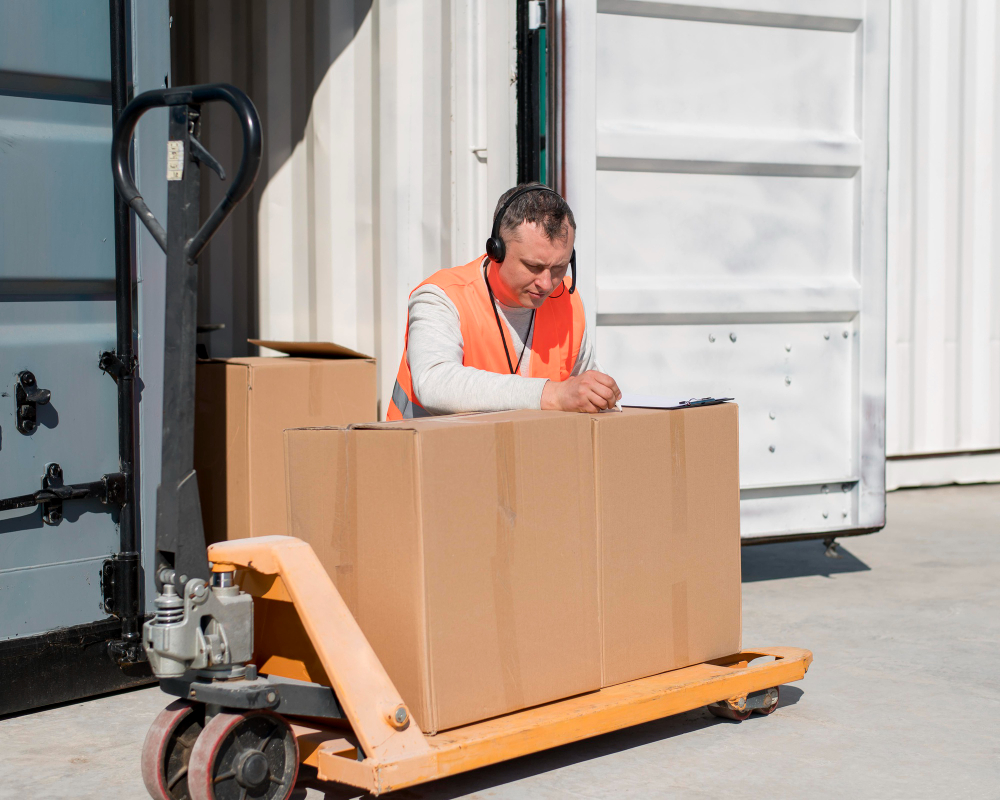
Among all the different types of lifts, forklifts are in a category of their own. While boom lifts and scissor lifts are primarily about height and worker access, forklifts specialize in heavy-duty material handling. It’s no surprise, then, that the global forklift market is projected to surge from USD 90.97 billion in 2025 to nearly USD 163.5 billion by 2034.
Why Forklifts Are Essential
Versatility
A forklift is a powerful lifting machine capable of handling a wide range of loads—pallets, steel beams, pipes, concrete blocks, roofing supplies, and more. Unlike other lift machines that serve narrow functions, forklifts can be adapted with attachments (fork extensions, clamps, buckets) to tackle different jobs.
Efficiency
Forklifts are designed for continuous operation, often running all day to move, load, and transport materials. This reduces downtime, cuts labor costs, and streamlines productivity on construction sites. Simply put, forklifts turn what would be hours of manual labor into minutes.
Safety
Manual lifting and moving of heavy materials can lead to workplace injuries. A forklift allows for secure, balanced, and controlled material handling. With proper operator training, forklifts drastically reduce job-site risks compared to manual labor or makeshift lifting methods.
Types of Forklifts Commonly Used in Construction
Counterbalance Forklifts
The “classic” forklift is seen in warehouses and construction yards. Designed with a rear counterweight, these forklifts are perfect for everyday lifting and transporting of heavy materials.
Rough Terrain Forklifts
Equipped with large tires and reinforced frames, these construction lifts thrive outdoors on uneven ground, gravel, and muddy conditions. They’re a must-have for lumber yards, new construction builds, and large-scale site development.
Telehandlers (Telescopic Forklifts)
A hybrid between a forklift and a boom lift, telehandlers extend forward and upward to reach materials in high or hard-to-reach places. They’re ideal for placing palletized loads on scaffolding or elevated platforms, bridging the gap between traditional forklifts and boom lifts.
Forklifts and Fuel Options
Forklifts are built for adaptability—not just in function, but in fuel type. Choosing the right fuel ensures maximum efficiency, depending on where and how the forklift is used:
Electric Forklifts
Clean, quiet, and emission-free, electric forklifts are perfect for indoor operations such as warehouses and enclosed construction sites. They also require less maintenance and are cost-effective over the long term.
Diesel Forklifts
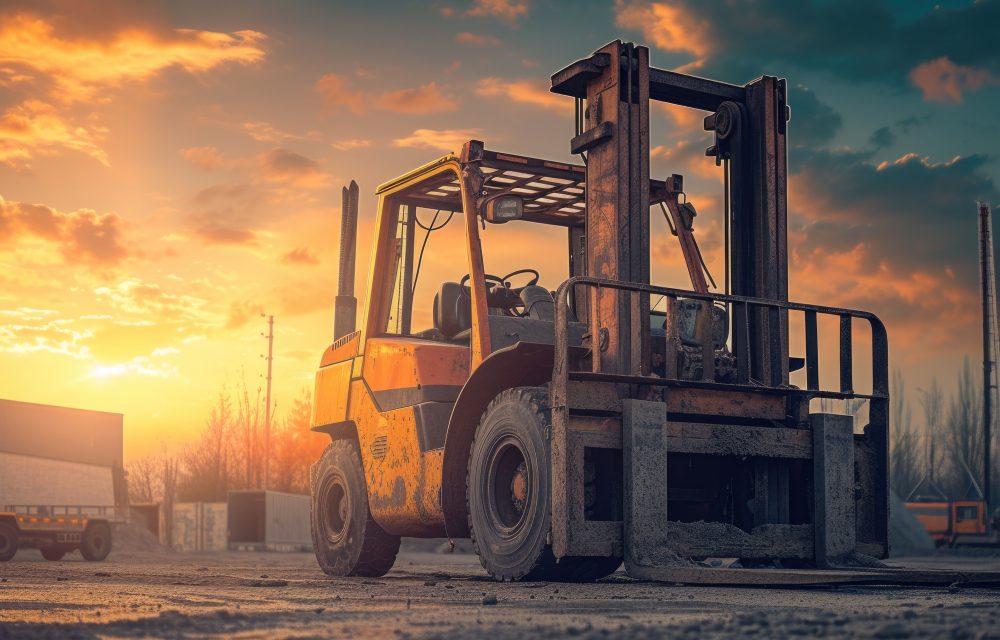
Built for power, diesel forklifts are the go-to for heavy-duty outdoor projects. They provide superior torque and lifting capacity, making them essential for lift construction work on rough terrain.
Propane Forklifts
Offering a balance of indoor safety and outdoor capability, propane models are versatile, quick to refuel, and effective across mixed environments.
Other Types of Lifts for Specialized Needs
Beyond booms and forklifts, these types of lifts are crucial in specific construction scenarios.
Material Lifts (Telehandlers/Telescopic Forklifts)
Often called telehandlers, these machines combine the functionality of a forklift with the reach of a boom lift. They’re heavy-duty lifting machines designed for moving pallets, pipes, and building materials across rough terrain. For most contractors, forklifts remain the most dependable and versatile construction lift on the market.
Personnel Lifts
Compact and lightweight, personnel lifts are perfect when a single worker needs safe access to elevated areas. Think HVAC repair or light installation.
Spider Lifts
With their narrow frames and stabilizing outriggers, spider lifts are used for delicate jobs like glass installation, landscaping, and tree trimming. They represent one of the most unique lift machines in the field.
What Is a Small Lift Called?
A small lift is often referred to as a “compact lift” or “mini lift.” These machines are designed to offer the same reliability as larger models but in a smaller, more maneuverable frame. Compact lifts are especially valuable in warehouses, tight indoor spaces, and urban job sites where space is limited.
Features of Compact Lifts
-
- Space-Saving Design: Built to navigate narrow aisles and tight work areas.
- Lightweight Frame: Easier to transport and set up compared to larger lift machines.
- Strong Load Capacity: Despite their size, compact lifts can handle significant weight.
- Space-Saving Design: Built to navigate narrow aisles and tight work areas.
Benefits of Compact Forklifts in Warehousing
-
- Maneuverability: Ideal for warehouses and storage facilities with tight layouts.
- Versatility: Compact forklifts are multipurpose lifting machines that can move pallets, crates, and supplies.
- Efficiency: They allow for quick loading and unloading in confined areas where larger equipment would struggle.
- Maneuverability: Ideal for warehouses and storage facilities with tight layouts.
What Is a Buck Hoist?
A buck hoist is a specialized construction lift that functions like a temporary outdoor elevator. It is typically attached to the exterior of a building under construction and is used to transport both workers and materials between floors.
Key Characteristics of a Buck Hoist
-
- Vertical Transport: Moves loads straight up and down rather than across the site.
-
- Temporary Installation: Installed only during the construction phase of a high-rise project.
-
- Worker & Material Use: Designed to carry both personnel and building materials safely.
How a Buck Hoist Differs from Other Lift Machines
-
- Not for Heavy Loads Like Forklifts: While forklifts specialize in horizontal material handling, buck hoists serve vertical movement.
-
- Project-Specific: Unlike scissor lifts or boom lifts, buck hoists are rarely found outside high-rise projects.
-
- Elevator-Like Safety: Equipped with enclosed cabins and safety mechanisms for worker protection.
What Fuel Do Construction Lifts Use?
The type of fuel a construction lift uses depends on its design, environment, and workload. Choosing the right power source impacts not only performance but also safety and efficiency.
Electric Lifts
-
- Best For: Indoor use and enclosed spaces.
-
- Advantages: Zero emissions, quiet operation, and lower maintenance costs.
-
- Common Applications: Warehouses, distribution centers, and indoor lift construction projects.
Diesel Lifts
-
- Best For: Outdoor heavy-duty lifting.
-
- Advantages: High torque and superior load capacity.
-
- Common Applications: Rough terrain projects, roadwork, and large construction sites.
Propane Lifts
-
- Best For: Mixed-use environments, both indoors and outdoors.
-
- Advantages: Quick refueling, consistent power, and flexibility.
-
- Common Applications: Warehouses that require extended use alongside outdoor staging areas.
Why Forklifts Stand Out
Forklifts excel because they are adaptable across different types of lifts and fuel systems. Whether electric, diesel, or propane, forklifts serve as the central lifting machine in both construction and warehousing. Their ability to seamlessly transition between environments makes them one of the most valuable investments for contractors.
Frequently Asked Questions (FAQs)
How do I choose the right construction lift for my project?
The best construction lift for your project depends on your job-site needs. If you need vertical reach for multiple workers, a scissor lift may be the right choice. For tasks that require reaching around obstacles, a boom lift is ideal. And when it comes to material handling, forklifts are the most versatile lift machines, suitable for both indoor and outdoor lift construction projects.
What safety measures should operators follow when using lift machines?
Safety is critical when working with lift machines. Operators should always wear protective equipment, undergo certified training, and inspect the lifting machine before use. Overloading is a common hazard—knowing the weight limits of different types of lifts prevents accidents and keeps operations efficient.
Are lift machines used only in construction, or do other industries rely on them?
While construction lifts are essential for building projects, other industries also rely heavily on them. Warehouses, manufacturing facilities, shipping yards, and even event staging companies use types of lifts like forklifts, personnel lifts, and compact lifts.
What is the lifespan of a typical lifting machine?
The lifespan of a lifting machine depends on usage, environment, and maintenance. On average, well-maintained construction lifts such as forklifts can last 10–15 years. Electric lift machines often have longer lifespans in indoor environments, while diesel-powered options may wear faster due to heavier outdoor use.
Can different types of lifts be customized with attachments?
Yes, many lift machines can be fitted with attachments to increase versatility. For example, forklifts can be equipped with fork extensions, side shifters, or clamps to handle specialized materials. These add-ons make forklifts one of the most adaptable types of lifts for both lift construction projects and warehouse operations.
Choose the Right Construction Lift for Your Next Project
From boom lifts to forklifts, understanding the different types of lifts is key to improving safety, speed, and efficiency on the job. Forklifts remain the most versatile and essential construction lift for moving materials and streamlining workflow.
If you’re in Lauderdale Lakes, FL, and need reliable forklifts or expert guidance, Almeida Forklifts is your trusted local partner. Contact us today to find the perfect lifting machine for your project needs.