
Table of Contents
Key Takeaways
✔ Regular maintenance and proper use can greatly extend the lifespan of common Caterpillar forklift parts and prevent premature wear.
✔ Forks, tires, brake components, hydraulic hoses, and batteries are the parts most often replaced due to constant stress during operation.
✔ Buying from authorized dealers, checking part numbers, reviewing seller feedback, and avoiding unrealistically low prices ensures genuine Caterpillar forklift parts online.
✔ Confirming model and serial numbers, using official catalogs, comparing measurements, and consulting experienced sellers helps identify compatible parts for older Caterpillar forklifts.
Regular use puts certain Caterpillar forklift parts under more stress than others, causing them to wear out faster. Timely replacement of these components keeps the machine running smoothly while reducing the risk of costly repairs and safety hazards. Understanding which parts typically need replacement more often allows businesses to stay prepared, avoid unexpected delays, and keep operations moving.
Here are the Caterpillar forklift parts most often replaced.
What Is the Lifespan of Common Caterpillar Forklift Parts?
While the average lifespan for a forklift, including a Caterpillar model, is around 10,000 hours of service, this can often mean about five years of use. With proper maintenance and care, some machines can last up to 20,000 hours of service. However, no matter how well a forklift is maintained, parts will still need to be replaced over time.
What Caterpillar Forklift Parts Are Most Frequently Replaced?
Knowing what Caterpillar forklift parts are most frequently replaced helps operators and maintenance teams plan for maintenance and prevent sudden breakdowns. These parts take the most wear during everyday use, and replacing them on time keeps the forklift working safely and efficiently.
1. Forks
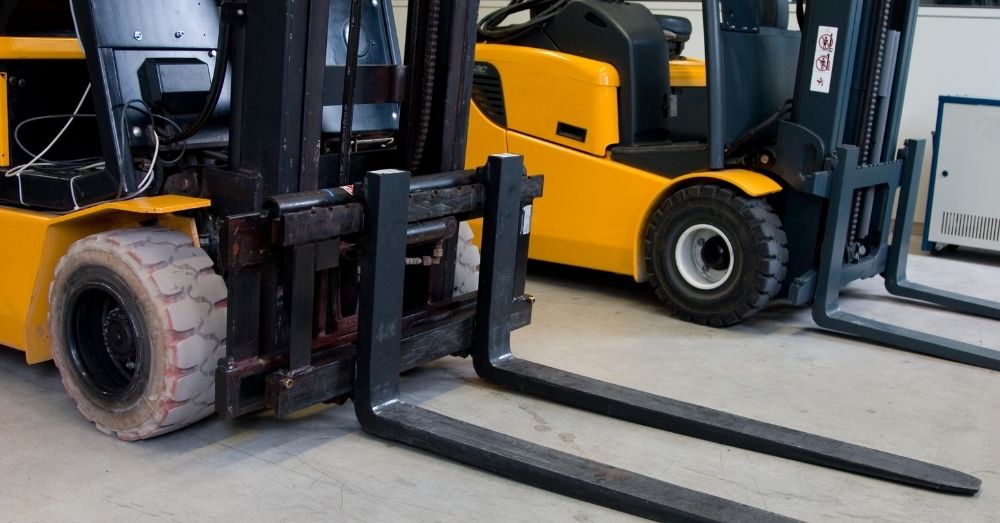
Forks are one of the main components that handle the full load every time the forklift is in operation. When determining what Caterpillar forklift parts are most frequently replaced, forks almost always make the list because of their heavy workload and exposure to damage. Keeping them in top condition is critical for safety and load handling.
- Wear from Lifting Heavy Loads: Forks experience constant strain from moving heavy pallets and materials, which slowly thins and weakens the steel. Over time, this can reduce lifting capacity and make the forks unsafe. Replacing worn forks before they fail keeps the forklift operating at its best.
- Damage from Collisions or Overloading: Striking racks, walls, or other machinery can bend or crack the forks. Even minor bends can affect how loads are carried and balanced. Early replacement helps maintain safety and efficiency in lifting operations.
2. Tires
Tires support the forklift’s weight and help it move safely across different surfaces. Anyone asking what Caterpillar forklift parts are most frequently replaced will quickly learn that tires are near the top due to constant wear from movement. When they wear out, both safety and performance are at risk.
- High Wear from Continuous Operation on Rough Surfaces: Driving over uneven floors, gravel, or debris causes tire tread to wear down quickly. Reduced grip can make maneuvering harder and less safe. Replacing tires before they are fully worn out ensures stable and controlled movement.
- Impact on Stability and Load Handling: Worn tires can cause instability and vibrations, making precise load placement more difficult. This can also increase the chance of tipping when carrying heavy materials. Fresh tires help maintain both stability and smooth handling.
3. Brake Components
Brakes are essential for safe forklift operation, especially in busy or confined spaces. Over time, brake pads and drums lose their effectiveness due to constant stopping and starting. Proper maintenance ensures they remain reliable.
- Pads and Drums Wearing Out Due to Frequent Stopping: The repeated friction from braking gradually wears down pads and drums, reducing stopping power. If left too long, this can make it harder to control the forklift. Timely replacement keeps braking performance strong.
- Safety Risks if Not Replaced in Time: Weak brakes increase stopping distance, which can cause collisions or accidents. According to the World Health Organization’s global road safety report, mechanical failures, including brake malfunctions, contribute to a significant portion of the 1.35 million road traffic deaths worldwide each year. Replacing brake parts before they fail is a critical measure to prevent serious accidents.
4. Hydraulic Hoses and Seals
Hydraulic hoses and seals allow the forklift to lift and lower loads smoothly. They are constantly under high pressure, which can cause wear and tear over time. Keeping these parts in good condition ensures lifting operations remain safe and efficient.
- Deterioration from High Pressure and Constant Use: Continuous exposure to hydraulic pressure can cause hoses to crack and seals to weaken. Over time, fittings may loosen as well. Replacing these parts before they fail prevents downtime and costly repairs.
- Risks of Leaks Affecting Lifting Performance: Leaks reduce hydraulic power, making lifts slower or incomplete. This can also lead to overheating or damage to other components. Prompt replacement avoids performance loss and potential safety hazards.
5. Batteries (For Electric Models)
In electric forklifts, the battery is the main power source for all operations. Its performance directly affects how long the forklift can run and how efficiently it works. Proper care and timely replacement are vital to avoid interruptions.
- Natural Degradation Over Charging Cycles: Batteries lose capacity after many charging and discharging cycles, which shortens the runtime. A battery that drains too quickly slows down work. Replacing it at the right time keeps the forklift productive.
- Effect on Run Time and Productivity: A weak battery requires frequent charging breaks, which disrupts workflow. It can even prevent the forklift from finishing a full shift. Fresh batteries ensure steady performance and consistent productivity.
How to Find Genuine Caterpillar Forklift Parts Online?
With so many online sellers, knowing which sources are trustworthy and how to confirm that the parts are authentic is essential. In 2024, losses to online payment fraud were estimated at 44 billion U.S. dollars, highlighting the risks of buying from unverified sources. Using only genuine parts helps maintain the equipment’s performance and protects against costly breakdowns.
1. Buy From Authorized Dealers
Purchasing from authorized dealers is the most reliable way to get authentic Caterpillar forklift parts. Caterpillar-approved dealers only sell certified products and can match the right part to the forklift model with accuracy. They also have direct access to official manufacturer inventory, which reduces the risk of buying counterfeit or poor-quality parts.
- Verified Seller Credentials: Always check if the seller’s Caterpillar authorization is clearly displayed on their website. Legitimate dealers use official logos and provide certification information to prove authenticity. This gives buyers confidence that the parts meet strict manufacturer standards.
- Manufacturer Warranty Support: Genuine parts bought from authorized sellers include warranty protection from the manufacturer. This coverage helps in cases of defects or premature failures and ensures replacements or repairs are handled properly. Having this protection also shows that the seller is legitimate.
- Technical Guidance: Dealer representatives can verify part compatibility using the forklift’s exact model and serial number. This ensures the part will fit correctly and perform as intended. Getting expert advice helps avoid expensive mistakes and delays.
2. Check Part Numbers and Specifications
Knowing the exact part number before ordering makes it easier to find the correct part online. All genuine Caterpillar parts have unique numbers and detailed specifications that can be matched with the manufacturer’s database.
- Cross-Check With Official Catalogs: Use Caterpillar’s official online parts catalog or printed manuals to locate the exact part number. This ensures the part is designed for the specific forklift model. Matching the number reduces the risk of ordering an incompatible part.
- Compare Product Descriptions: Authentic parts always include clear and accurate technical details such as dimensions, material type, and performance ratings. Mismatched or vague descriptions may point to a counterfeit product. Checking this carefully can prevent expensive returns.
- Inspect Listing Images: Look for high-quality product images that match the official manufacturer photos. Blurry or generic images can be a warning sign of non-genuine items. Consistency in branding and packaging is a good sign of authenticity.
3. Look for Customer Reviews and Ratings
Customer feedback is one of the easiest ways to gauge whether a seller is trustworthy. Reviews can reveal the quality of the parts, the reliability of the seller, and the accuracy of shipping. For those wondering how to find genuine Caterpillar forklift parts online, checking feedback can save time and money.
- Consistent Positive Feedback: Sellers with high ratings and a large number of successful sales are more likely to deliver genuine parts. This pattern shows they have a track record of reliability. Avoid sellers with repeated negative reviews, even if the price is attractive.
- Detailed Buyer Experiences: Look for reviews that include specific details about how well the part fit, how it performed, and whether it matched the description. These details often confirm whether the part was genuine. Vague or overly generic reviews may be less trustworthy.
- Response to Complaints: A professional seller addresses customer concerns quickly and offers fair solutions. This shows that they value customer satisfaction and stand behind their products. Ignoring complaints can indicate poor service or questionable parts.
4. Avoid Prices That Are Too Low
While saving money is important, extremely low prices can be a sign of counterfeit or low-grade parts. Genuine Caterpillar forklift parts are priced consistently due to quality standards and manufacturing costs. Choosing the cheapest option often leads to poor performance, more breakdowns, and higher costs over time.
- Compare With Multiple Sources: Large differences in price without a clear reason are a warning sign. When comparing, ask: what is the lifespan of common Caterpillar forklift parts? This will help decide if paying a bit more for a longer-lasting part makes sense. Consistent pricing among trusted sellers indicates authenticity.
- Factor in Shipping and Duties: Some sellers list very low base prices but add high shipping or import fees later. Understanding the full cost helps avoid surprises and keeps comparisons fair. Always review total pricing before purchasing.
- Value Over Cost: Spending more for a genuine part often saves money in the long run by avoiding repeated replacements. Reliable parts also prevent costly downtime and protect the forklift from further damage. In the end, quality is worth the investment.
How to Identify Compatible Caterpillar Forklift Parts for Older Models?
Older forklifts may have discontinued parts, updated replacements, or different compatibility requirements compared to newer models. By confirming part compatibility before buying, owners can avoid costly mistakes and ensure smooth operation.
1. Check the Forklift’s Model and Serial Number
The model and serial number are the most reliable ways to match a part to an older Caterpillar forklift. These numbers give exact details about the forklift’s specifications, production date, and part compatibility. Without this information, there’s a higher risk of buying a part that doesn’t fit or work correctly.
- Find the Data Plate: The forklift’s data plate, usually found near the operator’s seat, contains the model and serial number. This is the first place to check before starting a parts search.
- Match With Manufacturer Records: Use these numbers in Caterpillar’s official parts catalog or through an authorized dealer to find exact matches. This confirms the part is engineered specifically for that forklift model.
- Avoid Guesswork: Using visual comparison alone can lead to mistakes. Having the right identification numbers eliminates uncertainty.
2. Use Official Parts Catalogs and Manuals
Official Caterpillar catalogs and manuals are key tools when figuring out how to identify compatible Caterpillar forklift parts for older models. These resources list every part with its specifications, diagrams, and updated replacement numbers if the original is discontinued. This makes it easier to find the right part, even for older machines.
- Look for Updated Part Numbers: Manufacturers often replace old part numbers with new ones. The catalog will show the most current replacement part available.
- Review Technical Diagrams: Exploded views of the forklift help confirm where the part fits and how it connects to other components. This prevents ordering the wrong part.
- Confirm With Authorized Dealers: Dealers can double-check catalog information and confirm if a part is still available or if an alternative is recommended.
3. Compare Measurements and Specifications
When parts for older forklifts are no longer produced, compatibility often comes down to matching size and specifications. This step ensures that replacement parts fit and function as intended.
- Measure Accurately: Use proper tools to measure dimensions such as length, diameter, and bolt spacing. Even small differences can cause installation or performance issues.
- Check Material and Performance Ratings: Older forklifts may have used different materials or designs. Matching these can help maintain original performance.
- Consult Technical Support: Contacting Caterpillar’s technical service or an experienced dealer can confirm if a part’s specs align with the older model’s requirements.
4. Work With Authorized or Experienced Sellers
Experienced sellers, especially authorized Caterpillar dealers, know the challenges of finding parts for older forklifts. They have access to manufacturer databases and can recommend suitable replacements or compatible alternatives.
- Request Compatibility Confirmation: Before purchasing, ask the seller to confirm that the part will fit the specific model and year. This prevents return hassles.
- Ask About Alternatives: Some parts may have updated versions with the same fit and function. Sellers familiar with older forklifts can point out these options.
- Check Return Policies: Reliable sellers offer clear return policies in case a part is not compatible after inspection.
Frequently Asked Questions
Are Caterpillar forklifts any good?
Caterpillar forklifts are known for their durability, strong performance, and ability to handle heavy workloads in various environments. They are built with high-quality materials and advanced engineering, making them reliable for long-term use. Many operators appreciate their comfort features and ease of operation. Regular maintenance ensures they remain in excellent condition for years.
What is the most durable forklift?
The most durable forklift is typically one built with heavy-duty components, such as Caterpillar, Toyota, or Hyster models designed for intense industrial use. Diesel-powered forklifts often last the longest due to their robust engines and ability to handle demanding workloads. Durability also depends on how well the forklift is maintained over time. With proper care, some forklifts can operate effectively for decades.
What is the most serious forklift defect?
The most serious forklift defect is brake failure, as it poses a direct safety hazard to operators and nearby workers. Without reliable brakes, the risk of collisions and accidents increases significantly. Hydraulic system failures and steering malfunctions are also critical issues. Regular inspections help detect and fix these problems before they become dangerous.
How do I know how old my Caterpillar is?
The age of a Caterpillar forklift can be determined by locating its serial number on the data plate or stamped into the frame. Once found, the serial number can be checked against Caterpillar’s manufacturing records or with an authorized dealer. The records will reveal the year and sometimes the month of production. This information helps order the correct parts and scheduling maintenance.
What is the most important part of a forklift?
The most important part of a forklift is the mast and lifting mechanism, as they are responsible for raising, lowering, and holding loads securely. Without a functioning mast, the forklift cannot perform its main purpose. Other critical components include the engine or motor, brakes, and hydraulic system. Each part plays a vital role in ensuring safe and efficient operation.
Get Expert Forklift Parts and Service in Lauderdale Lakes, FL!
Almeida Forklifts delivers high-quality Caterpillar forklift parts and reliable repair services in Lauderdale Lakes, FL, to keep equipment operating at peak performance. From frequently replaced components to hard-to-find parts for older models, every solution is matched to the specific forklift model for a perfect fit. With years of experience serving businesses in Lauderdale Lakes, FL, Almeida Forklifts ensures downtime is minimized and productivity stays on track.
Contact Almeida Forklifts today to schedule parts assistance or service you can trust!