
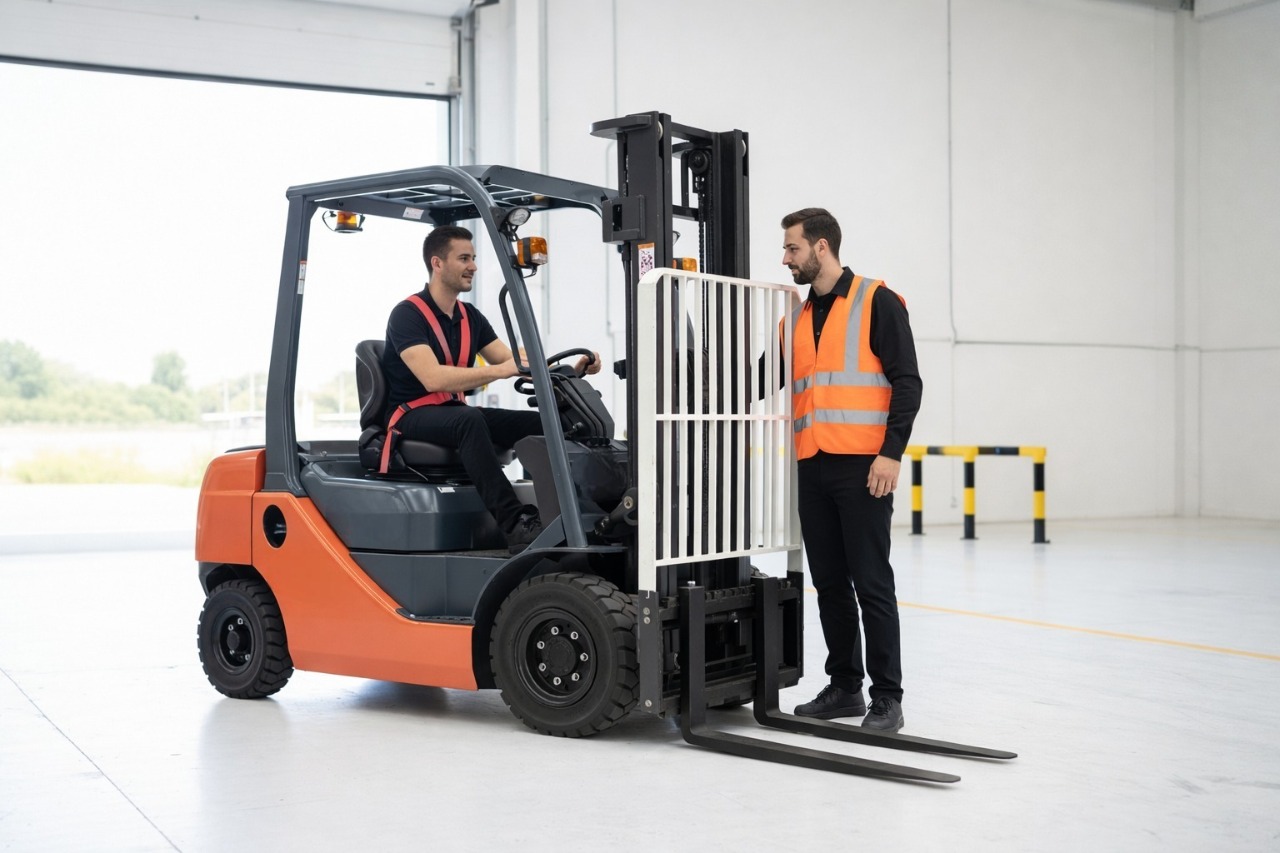
If you’re shopping for a forklift for sale for the first time, the process can feel overwhelming — especially when you’re trying to balance safety, cost, reliability, and long-term value.
The good news? With the right guidance, choosing the perfect forklift becomes a strategic advantage, not a stressful guess.
Key Takeaways
✔ Choosing the right forklift for sale starts with understanding your load requirements, environment, and long-term operational needs.
✔ A used forklift for sale can offer excellent value when it comes with strong maintenance records and clean operational history.
✔ Inspecting key components—like forks, mast, tires, hydraulics, and safety features—is essential when you buy a used forklift.
✔ Operating hours, test-drive performance, and proper documentation determine the true reliability of used forklifts for sale.
✔ Working with a reputable local dealer helps ensure you get a safe, dependable forklift that fits your business needs.
Table of Contents
What Are the Golden Rules of Forklifts?
If you’re considering a forklift for sale, it’s important to understand the foundational safety rules that guide responsible equipment ownership. These “golden rules” protect your team, extend your forklift’s lifespan, and ensure OSHA-friendly operations.
Here are the essentials:
- Only trained and certified operators should use the machine.
- Always perform a pre-operation inspection, even on newer models.
- Follow load capacity ratings — never guess or push beyond limits.
- Keep loads low and travel slowly, especially with turns or ramps.
- Maintain clear visibility, using spotters when needed.
- Know your environment — surface type, slope, pedestrian zones, and aisle width matter.
What Is a Forklift Checklist?
A forklift checklist is a structured list of safety and mechanical factors operators must inspect every time a forklift is used.
Think of it as a daily health report for your equipment — one that helps identify issues early, reduces downtime, and prevents accidents.
A reliable checklist includes:
- Visual inspection (forks, mast, tires, frame)
- Fluid levels
- Battery or fuel check
- Safety feature function tests
- Controls and operational checks
When you’re evaluating a forklift for sale — especially a used forklift for sale — ask the seller whether they follow a formal checklist system. Dealers who use checklists typically maintain their equipment much more responsibly.
Key Areas to Inspect
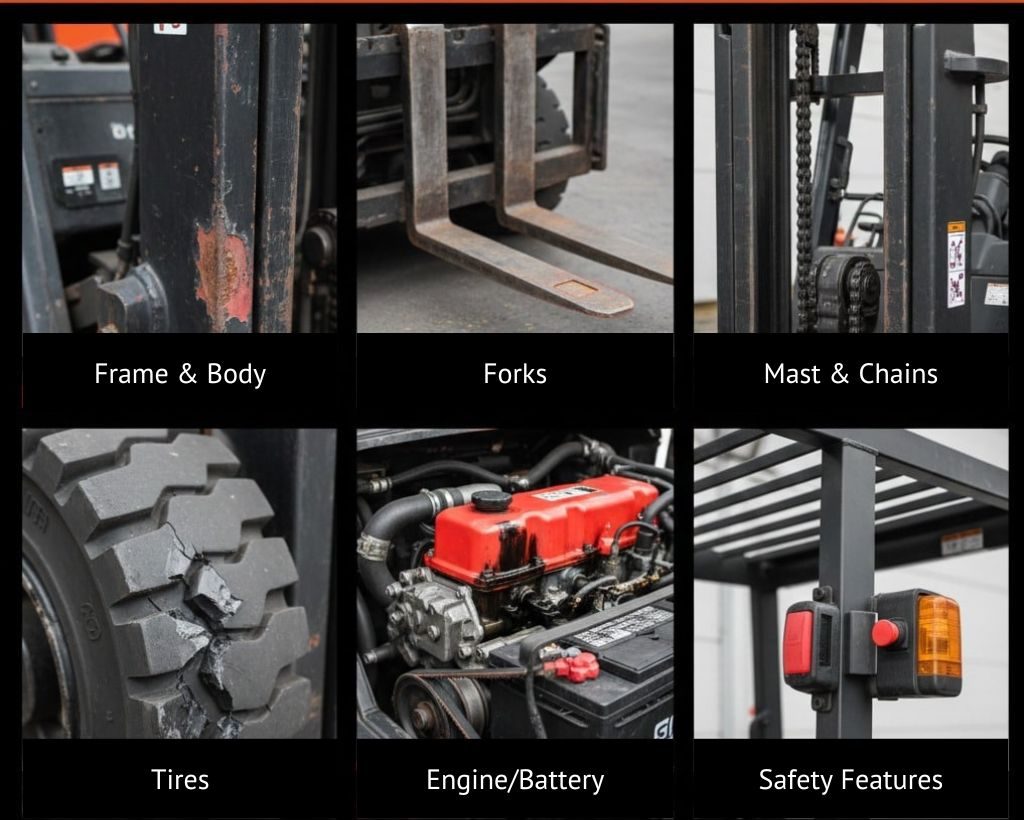
Frame and Body
The frame is the structural core of any forklift. Damage here can compromise load stability and operator safety. Look for:
- Rust or corrosion, especially near welds or stress points
- Cracks or fractures along the overhead guard, counterweight, or chassis
- Improper or excessive welds, which may indicate past repairs
- Bent components that suggest impact damage
Forks
The forks lift every load, so any wear affects safety and performance. When evaluating a used forklift, pay close attention to fork condition. Inspect for:
- Bending or drooping (indicates metal fatigue)
- Uneven wear across forks
- Cracks or gouges along the blade or heel
- Thickness loss beyond 10%, which requires replacement
Mast and Chains
The mast and lift chains determine how smoothly and safely the forklift can raise and lower materials. Check for:
- Smooth mast operation with no sticking or jerking
- Even chain tension
- No rust, kinking, overstretching, or missing links
- Leaking mast cylinders
Tires
Tires directly affect traction, balance, and load safety. Poor tires can turn even a great forklift into a hazard. Inspect:
- Even, consistent tread
- No chunking, splitting, or deep cuts
- Proper inflation (for pneumatic tires)
- Flat spots caused by improper storage
Engine / Battery
The power source is one of the biggest factors in the long-term value of a used forklift for sale.
For Internal Combustion (IC) Forklifts
- Listen for steady, consistent idle
- Check for oil leaks, coolant leaks, or smoke (blue or white smoke = trouble)
- Inspect belts, hoses, and filters for wear
- Ensure smooth acceleration and braking
For Electric Forklifts
- Ask for the battery’s manufacturing date (most last 5–7 years with care)
- Test for strong charge retention
- Check water levels in lead-acid batteries
- Confirm charger compatibility with your facility
Hydraulics
Hydraulic performance determines lifting power and smooth load handling. Issues here affect productivity and safety. Look for:
- Wet spots, drips, or puddles around cylinders and hoses
- Slow or uneven lifting
- Whining or grinding pump noises
- Low hydraulic fluid levels
Safety Features
Safety should never be optional — especially when purchasing a used forklift. Confirm the following work properly:
- Seat belts and operator restraints
- Horns, alarms, and warning lights
- Backup alarms and strobes
- Mirrors and visibility aids
- Overhead guard integrity
- Emergency stop or disconnects (on electric forklifts)
Operational and Historical Checks
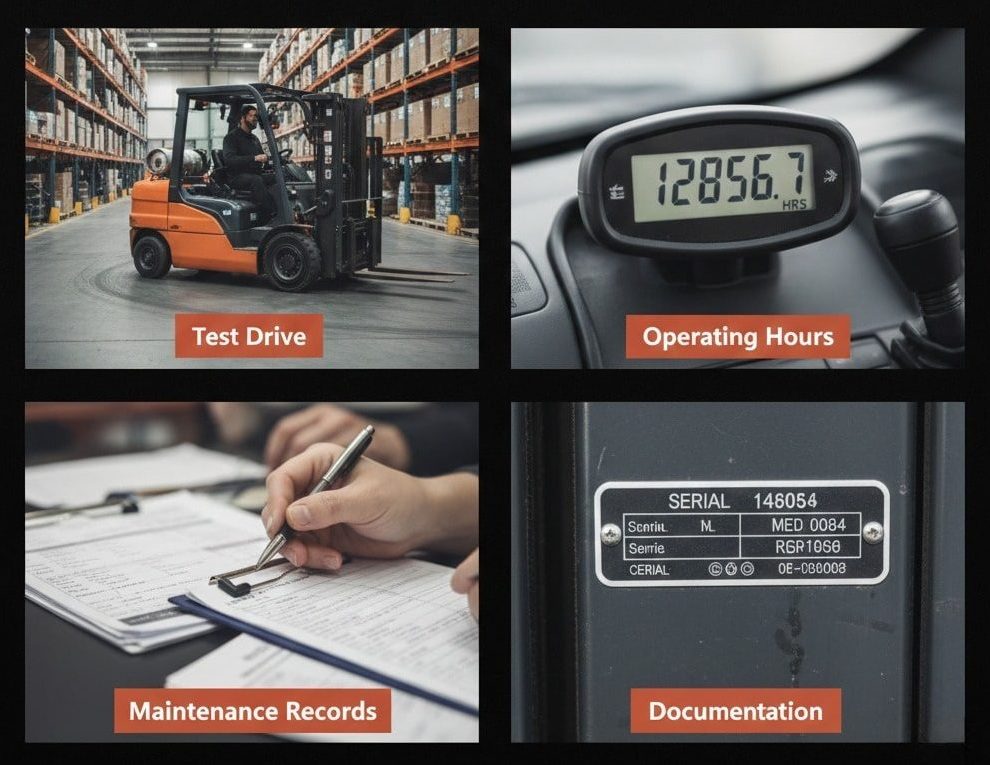
Test Drive
A test drive is one of the most important steps when evaluating a used forklift for sale. It helps you distinguish a strong, dependable machine from one with hidden issues.
During the test drive, evaluate:
- Steering responsiveness – Should feel tight, not loose or delayed
- Brake performance – Smooth, consistent stopping with no pulling
- Lift and lower speed – Should be even and strong without shaking
- Reverse and acceleration – Both should respond immediately
- Maneuverability – Particularly in tight turning areas
- Operator comfort – Seat support, visibility, vibration levels
- Noise levels – Loud grinding or whining may indicate wear
Operating Hours
Operating hours are a key indicator of how much life remains in a forklift. Just like mileage in a car, forklift hours help you gauge wear and expected maintenance costs.
Typical hour guidelines for a used forklift for sale:
- Under 10,000 hours → Excellent for long-term use
- 10,000–20,000 hours → Good value if well maintained
- 20,000+ hours → Possible deal only with exceptional service history
Maintenance Records
When you buy a used forklift, maintenance history is one of the strongest signs of quality. A reputable dealer should provide:
- Service logs (oil changes, filters, belts, routine checks)
- Repair records (engine work, mast repairs, hydraulic fixes)
- Inspection reports (safety checks, tire evaluations, battery tests)
- Part replacement documentation
Documentation
Before finalizing any purchase, confirm that all critical paperwork is complete and accurate. Proper documentation helps verify the forklift’s identity, safety status, and legal compliance.
Review the following:
- Serial numbers (ensure they match the frame and paperwork)
- Ownership history (previous use, number of owners)
- Safety certifications or OSHA-related compliance records
- Emissions documentation for internal combustion models
- Warranty details, when available
What to Consider for Your Needs
Lifting Capacity
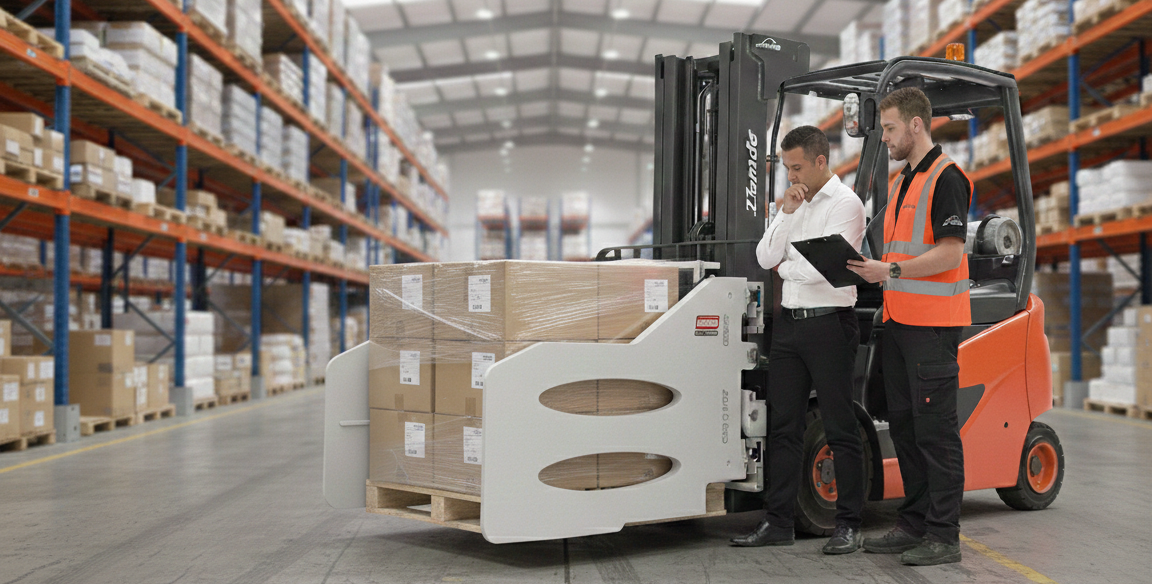
Matching lifting capacity to your actual workload is one of the most important steps in selecting a forklift. Consider:
- Average load weight – Your forklift should handle this effortlessly
- Maximum load weight – Plan for peak operational needs
- Lift height requirements – Higher lifts reduce rated capacity
- Load type and stability – Wide, uneven, or awkward loads may require attachments
Total Cost of Ownership
The sticker price is only part of the investment when you buy a used forklift. A machine with a low price but high maintenance needs can cost more over time than a well-maintained model. Factor in:
- Parts availability and cost
- Fuel type or battery requirements
- Maintenance frequency
- Expected lifespan based on operating hours
- Downtime risks (lost productivity = lost revenue)
Attachments
Attachments dramatically increase versatility, especially for businesses handling different types of materials. Common attachments to consider:
- Side shifters – Faster pallet positioning
- Fork positioners – Ideal for varying load widths
- Clamps – For appliances, paper rolls, drums, or boxes
- Carpet poles – For long, flexible materials
- Extensions – For oversized or bulkier loads
Reputable Dealer
The dealer you choose matters as much as the forklift itself. Buying a forklift from a trusted, transparent, certified dealer ensures you’re getting a well-maintained machine—not a problem someone else wants to unload. A reputable dealer will:
- Provide full maintenance records
- Offer detailed inspections and reconditioning
- Allow test drives and on-site demonstrations
- Stand behind their forklifts for sale with service support
What to Do Before Starting a Forklift?
Before any operator starts a forklift, they should:
- Conduct a full pre-shift inspection
- Adjust seat and mirrors
- Fasten seatbelt
- Check load capacity plate
- Test brakes and hydraulic controls
- Ensure the environment is clear
- Confirm load stability before lifting
These steps are mandatory whether the forklift is brand new or a used forklift with thousands of hours.
Is Forklift Hard to Learn?
For most Americans, learning to operate a forklift is very approachable — especially with proper training.
The basics are straightforward, but mastery takes practice. Skills include:
- Understanding load balance
- Navigating narrow aisles
- Maintaining safe speeds
- Judging lift heights
- Handling uneven terrain
With OSHA certification and hands-on training, most operators become proficient quickly.
Why Many Businesses Prefer a Used Forklift for Cost and Performance
Businesses across the U.S. often choose a used forklift over a new one because the benefits go far beyond upfront savings. When evaluating forklifts for sale, these advantages make a used forklift for sale an appealing, practical option:
- Lower Initial Investment: Used forklifts for sale typically cost significantly less than new units, allowing businesses to stretch their budgets further.
- Immediate Availability: A used forklift for sale is ready for deployment without long manufacturer lead times.
- Lower Parts and Repair Costs: Common models have readily available, affordable replacement parts and lower service expenses.
- Simplified Fleet Expansion: Companies can acquire multiple forklifts for sale at a fraction of the cost of buying new.
- Ideal for Moderate Workloads: Not all operations require a brand-new unit; a quality used forklift often meets daily demands easily.
- Lower Insurance Costs: Older equipment may cost less to insure than high-value new forklifts.
Frequently Asked Questions (FAQs)
How long does a used forklift typically last?
A well-maintained used forklift can operate reliably for 10,000–20,000+ hours, depending on usage and care. Actual lifespan varies, so it’s important to evaluate each machine individually. Working with a trusted local supplier—such as Almeida Forklifts—can help ensure you’re choosing a unit with a solid service history.
Is it cheaper to maintain a used forklift than a new one?
In many cases, yes. Used forklifts for sale often have readily available, affordable parts, making upkeep more budget-friendly. However, maintenance costs depend on age, condition, and model. Reviewing the machine with a reputable dealer, including local providers like Almeida Forklifts, can help you set accurate expectations.
Can a used forklift handle the same workload as a new forklift?
A quality used forklift in good condition can perform just as reliably as a newer model for standard warehouse tasks. Still, performance depends on previous usage and overall maintenance. Consulting a dependable local supplier—such as Almeida Forklifts—can help you choose a forklift with the right workload capacity.
What fuel type is best when choosing a forklift for sale?
Electric models work best indoors, while propane or diesel forklifts excel outdoors or on uneven terrain. The ideal fuel type varies by facility and workflow. Local dealers like Almeida Forklifts can help assess your environment and recommend the safest, most cost-effective option.
Do used forklifts come with warranties?
Some reputable dealers offer limited warranties or service guarantees on used forklifts for sale, though coverage varies. Not all used equipment includes warranty protection, so always ask what’s included. Local suppliers such as Almeida Forklifts often provide transparent details to help you buy with confidence.
Find the Best Forklift for Sale With Expert Guidance
Your forklift is an investment in productivity, safety, and long-term operational success. Whether you’re ready to buy a used forklift or comparing multiple used forklifts for sale, partnering with the right dealer ensures you walk away with equipment you can depend on.
Almeida Forklifts in Lauderdale Lakes, FL, is here to help you find the safest, most reliable, and most cost-effective forklift for sale for your business needs.
Your next forklift purchase can be your smartest one yet. Contact us today!