
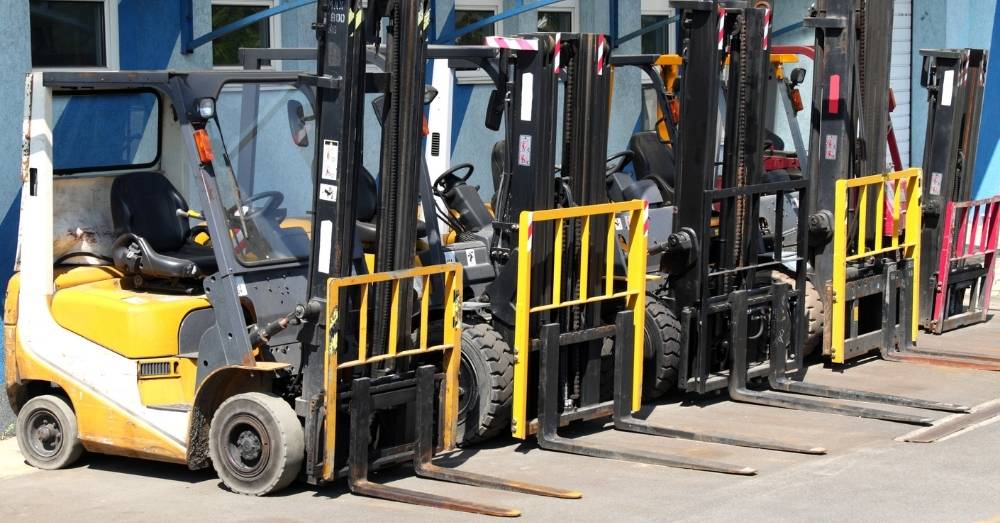
Forklifts play a critical role in warehouses, construction sites, and distribution centers across the country—but finding the right one to rent can feel overwhelming. From load capacity to fuel type, each model offers unique benefits depending on the job at hand. Local businesses often ask, what types of forklifts are available for rental in my area? especially when juggling tight schedules and budgets.
Here are six essential categories to consider before making a decision.
Key Takeaways
✔ Electric forklifts are ideal for indoor use due to zero emissions and quiet operation.
✔ Diesel forklifts offer high power and durability for tough outdoor jobs.
✔ Propane forklifts provide flexible performance for both indoor and outdoor settings.
✔ Rough terrain forklifts are built for uneven surfaces like construction sites and farms.
✔ Reach trucks and order pickers help maximize vertical space in narrow warehouse aisles.
✔ Pallet jacks and stackers are cost-effective for small-scale or short-term lifting needs.
✔ Operator training must be OSHA-compliant and matched to the exact forklift type.
✔ Renting the right forklift starts with knowing load capacity, layout, and daily usage.
6 Types of Forklifts Commonly Available for Rental in Local Areas
Choosing the right forklift for your project isn’t just about lifting heavy loads—it’s about selecting equipment that fits your worksite, load requirements, and terrain. However, it’s best to keep in mind that availability may vary depending on the provider and region. It’s recommended to reach out to trusted providers like Almeida Forklifts to see available options based on your business and operational needs.
1. Electric Forklifts
Electric forklifts are a popular rental option for indoor warehouses, especially where air quality and noise are concerns. These battery-powered machines are quiet, efficient, and easier to maneuver in tight spaces. When searching what types of forklifts are available for rental in my area, electric models are often among the top recommendations for businesses prioritizing clean and compact operation.
How Electric Forklifts Improve Indoor Productivity
- Lower Noise Levels: Electric forklifts operate with minimal noise, which helps reduce workplace distractions in busy indoor environments. This creates a safer and more focused setting for staff working near sensitive inventory or office-adjacent storage areas.
- Zero Emissions Indoors: Since they don’t produce exhaust fumes, electric forklifts are ideal for enclosed spaces where ventilation is limited. This reduces health risks for employees and keeps indoor air quality within safe ranges.
- Better Maneuverability in Tight Aisles: These forklifts have tighter turning radii compared to fuel-powered models, making them perfect for narrow warehouse layouts. Businesses exploring how to rent the right forklift for your warehouse needs often choose electric units for this very reason.
2. Diesel Forklifts
Diesel forklifts are designed for heavy-duty lifting and tough outdoor environments. Their powerful engines and high torque make them ideal for construction sites, lumber yards, and large industrial lots. When businesses ask what types of forklifts are available for rental in my area, diesel models are often suggested for applications that demand strength and endurance.
Why Diesel Forklifts Are Best for Outdoor Demands
- Higher Lifting Capacity: Diesel forklifts can typically lift heavier loads than electric models, often ranging from 10,000 to 36,000 pounds. This makes them ideal for moving steel beams, stone pallets, or loaded shipping containers at outdoor job sites.
- Reliable Performance on Uneven Terrain: With large pneumatic tires and strong drivetrains, diesel forklifts handle gravel, mud, and uneven surfaces with ease. Their stability and traction allow safe transport in construction zones and loading docks.
- Faster Refueling for Continuous Use: Diesel engines don’t rely on charging stations, so they’re quicker to refuel and return to operation. For operations requiring long shifts, this helps reduce downtime and supports teams asking how to rent the right forklift for your warehouse needs when outdoor use is frequent.
3. Propane Forklifts
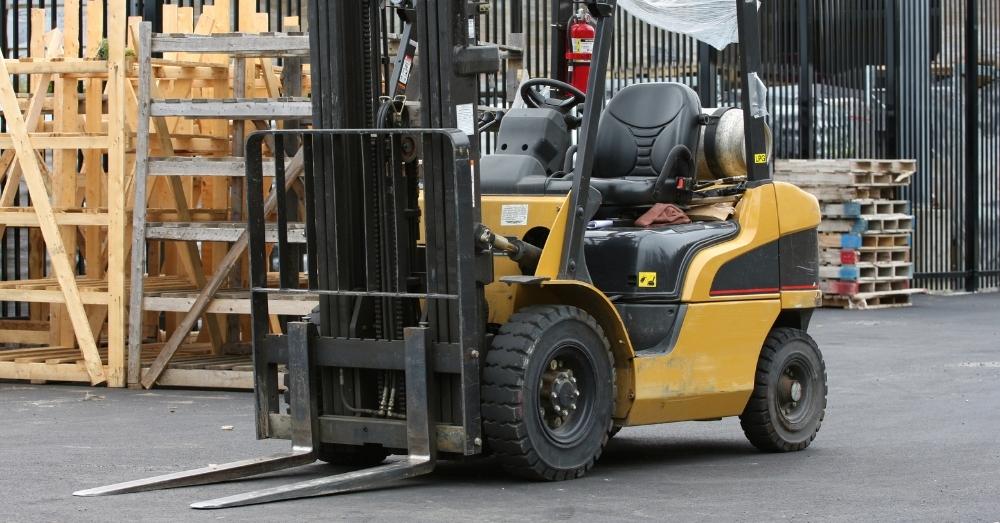
Propane forklifts offer a flexible option that works well indoors and outdoors. Their engines provide strong performance while producing fewer emissions than diesel, and refueling takes just minutes with a propane tank swap. Many companies exploring what types of forklifts are available for rental in my area choose propane for balanced power and convenience.
How Propane Forklifts Offer Flexibility for Diverse Tasks
- Quick Tank Swaps Reduce Downtime: Changing a propane tank takes just a few minutes, keeping productivity high during busy hours. This is especially useful for businesses operating multiple shifts with limited time between tasks.
- Strong Indoor and Outdoor Performance: Propane forklifts can work inside warehouses with ventilation and also handle mild outdoor conditions like paved lots or loading bays. Their adaptability supports facilities that manage both storage and outbound logistics.
- Consistent Power Without Battery Fade: Unlike electric forklifts that lose power as the battery drains, propane models maintain steady lifting and travel speeds throughout the tank’s life. This reliability helps teams meet deadlines and avoid disruptions—especially when navigating how to rent the right forklift for your warehouse needs.
4. Rough Terrain Forklifts
Rough terrain forklifts are built to handle construction sites, agriculture, and uneven outdoor surfaces where standard models would struggle. With high-clearance frames and durable tires, these machines tackle steep inclines, mud, and rugged paths. They’re a go-to answer when companies wonder what types of forklifts are available for rental in my area and need equipment built for extreme conditions.
How Rough Terrain Forklifts Handle Harsh Environments
- Large Pneumatic Tires Add Stability: Equipped with oversized, deeply treaded tires, these forklifts grip loose gravel, sand, and dirt. This prevents tipping or slipping, especially when lifting loads on uneven slopes or during inclement weather.
- Four-Wheel Drive Boosts Traction: Many rough-terrain forklifts come with four-wheel drive systems that power through mud, grass, and hills. This allows safe load transport across undeveloped lots or remote construction zones.
- High Ground Clearance Protects Undercarriage: Their elevated chassis prevents the bottom of the forklift from scraping rocks or terrain. Operators facing obstacles in areas like lumber yards or wind farm projects benefit from this rugged design.
5. Reach Trucks and Order Pickers
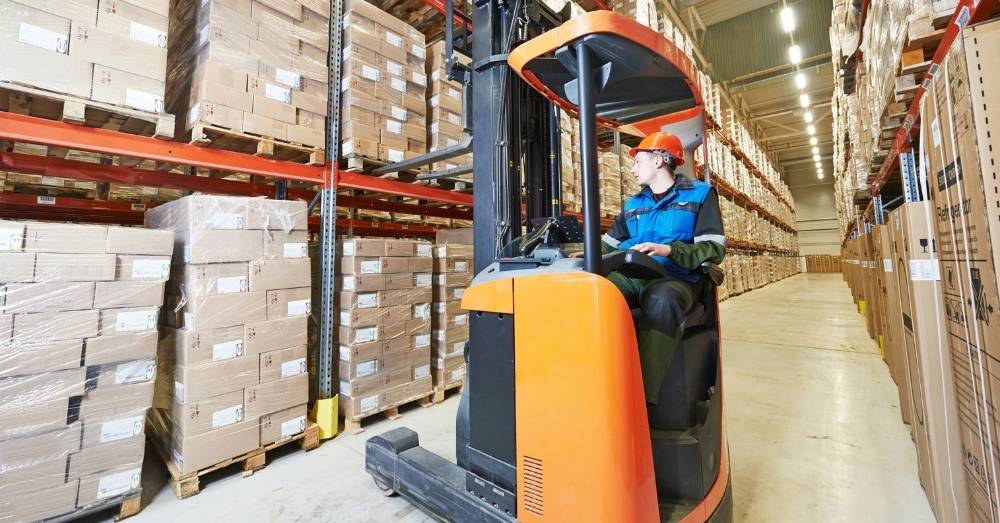
Reach trucks and order pickers are specialized forklifts made for vertical warehouse storage. They navigate narrow aisles and lift loads to high shelves with precision and efficiency. Businesses focused on tight-space operations often look into these models when asking what types of forklifts are available for rental in my area for inventory access at height.
How Reach Trucks and Pickers Maximize Vertical Space
- Extended Mast Reach for Tall Racks: Reach trucks can lift pallets as high as 30 feet, allowing facilities to take full advantage of warehouse height. This increases storage density and reduces the need for costly expansion.
- Narrow Aisle Operation Saves Floor Space: With their compact footprint and advanced steering, these forklifts operate safely in aisles as narrow as 7 feet. This makes them perfect for e-commerce fulfillment centers, parts warehouses, and cold storage.
- Operator Platforms Allow Manual Picking: Order pickers let workers ride up with the platform to retrieve individual items from shelves. This is essential for businesses that handle mixed SKU orders or need fast access to small inventory pieces—helpful context when figuring out how to rent the right forklift for your warehouse needs.
6. Pallet Jacks and Stackers
Pallet jacks and stackers are low-profile machines used for short-distance transport and light lifting. They’re ideal for backrooms, small warehouses, and delivery trucks where maneuverability and simplicity matter most. These models are often included in rental inquiries related to what types of forklifts are available for rental in my area, especially for temporary or mobile operations.
How Pallet Jacks and Stackers Improve Small-Scale Efficiency
- Compact Design Fits Tight Areas: These machines are easy to use in elevators, trailers, and small stockrooms. Their minimal turning radius helps staff reposition inventory in places where full-size forklifts would be impractical.
- Electric Options Offer Assisted Lifting: Electric pallet jacks and stackers reduce strain on workers and improve speed when moving multiple pallets. They are useful in retail stores, food distribution, and beverage delivery operations.
- Cost-Effective for Short-Term Projects: Rental fees for pallet jacks and stackers are typically lower, making them a cost-effective choice for short-term or seasonal needs. 85% of Americans have encountered hidden fees in the past two years, making cost transparency more crucial.
How to Rent the Right Forklift for Your Warehouse Needs
Choosing the right forklift rental is more than just picking what’s available. It requires evaluating the space, the tasks at hand, and the long-term goals of the operation. Businesses that ask how to rent the right forklift for your warehouse needs benefit most when they work closely with local professionals who understand the demands of different industries and environments.
1. Assess Load Weight and Dimensions
Start by identifying the average weight and size of the items being moved. Forklifts are rated for specific lifting capacities, and choosing one that’s too small can lead to equipment strain or safety hazards. A rental expert can help determine the best fit based on product type, from standard pallets to oversized machinery.
2. Measure Aisle Width and Turning Space
Not every forklift fits in every warehouse. Narrow aisle environments require equipment like reach trucks or electric pallet jacks with a tight turning radius. Those wondering how to rent the right forklift for your warehouse needs should walk through the space with a rental specialist to confirm width and clearance requirements.
3. Consider Lift Height Requirements
Warehouses with tall racking systems need forklifts that can reach multiple levels safely and efficiently. Standard forklifts may only lift 10–15 feet, while others can go beyond 30 feet. Renting the right model ensures staff can access inventory without delay or risk, especially in high-density storage setups.
4. Determine Indoor or Outdoor Use
If the forklift will operate mostly indoors, an electric or propane unit is ideal due to lower emissions. For outdoor work or mixed use, diesel models may be more appropriate, especially on uneven surfaces. Rental providers help businesses assess terrain and ventilation to guide smart forklift selection.
5. Evaluate Shift Hours and Usage Frequency
A single-shift operation might do well with a standard battery-powered forklift, while multi-shift warehouses may require faster refueling or multiple machines. Rental professionals can recommend maintenance schedules and backup options tailored to workload demands. This attention to maintenance not only enhances safety and performance but also builds buyer trust and supports a stronger asking price.
6. Factor in Operator Training and Certification
Even the perfect forklift isn’t useful without trained operators. A reliable rental company will explain how to schedule training for operators using forklifts for rental, ensuring compliance and safety. Certification is not just a legal requirement—it protects workers and reduces the risk of costly accidents.

What Is the Cost Difference Between Electric and Diesel Forklifts for Rental?
The cost difference between electric and diesel forklifts for rental often comes down to usage environment, fuel, and maintenance. Electric forklifts typically have lower day-to-day operating costs since they don’t require fuel and have fewer moving parts to service.
However, their rental rates may be slightly higher due to battery system expenses and charging equipment. Diesel forklifts usually cost less to rent up front but can be more expensive over time because of fuel costs and frequent maintenance needs, especially in high-hour operations.
Businesses comparing models should consider total cost of ownership during the rental period, including energy use, terrain type, and how often the forklift will run—important details when evaluating what is the cost difference between electric and diesel forklifts for rental.
How to Schedule Training for Operators Using Forklifts for Rental
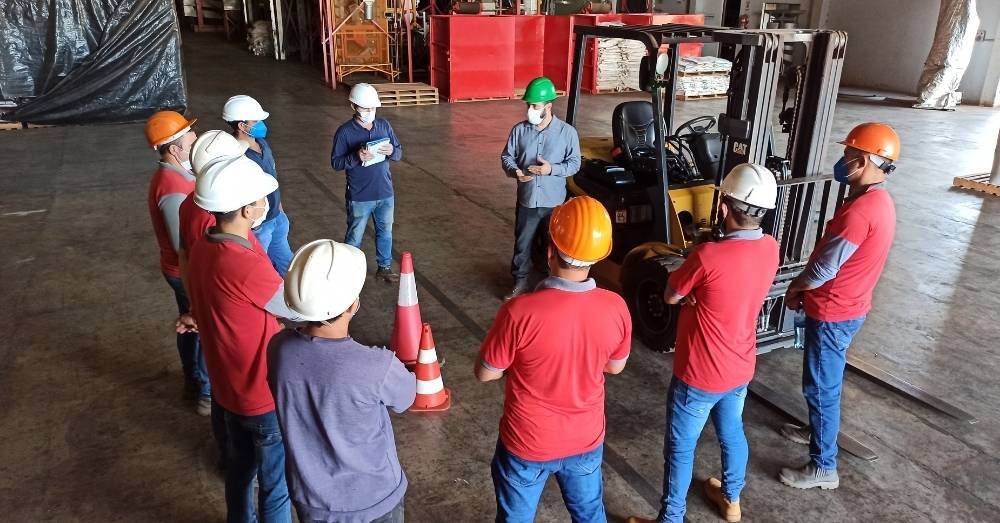
Operator training is a legal requirement and a critical part of protecting workers and equipment. Companies wondering how to schedule training for operators using forklifts for rental should coordinate with professionals who understand both Occupational Safety and Health Administration (OSHA) standards and real-world warehouse demands.
1. Contact the Rental Provider Early
The best time to schedule training is before the forklift arrives on-site. Many local rental companies either offer operator training themselves or work closely with certified trainers. Early communication ensures that staff is fully prepared and compliant before equipment use begins.
2. Confirm the Type of Forklift Being Rented
Training must match the specific class and model of forklift. For example, someone trained on a pallet jack isn’t certified to use a diesel rough terrain forklift. Clarifying this detail when asking how to schedule training for operators using forklifts for rental helps avoid liability issues and ensures safety standards are met.
3. Choose Between Onsite or Offsite Certification
Some companies prefer on-site training so operators can learn in their actual work environment. Others opt for off-site courses at certified training centers, especially for in-depth classroom instruction. Rental professionals can guide the decision based on company size, equipment type, and scheduling needs.
4. Set Aside Enough Time for Practical and Written Testing
Training isn’t just a quick walkthrough—OSHA requires both written and hands-on evaluations. Most sessions take several hours and include safety protocols, load handling, and maneuvering. Scheduling proper time helps operators focus, absorb key points, and pass certification confidently.
5. Keep Records and Plan for Recertification
Once training is complete, companies should store certificates and log training dates for each operator. OSHA requires recertification every three years or after an incident. Working with experienced rental providers makes it easier to stay on top of renewal deadlines and update skills as new equipment types are introduced.
Frequently Asked Questions (FAQs)
How much does it cost to lease a forklift?
The cost to lease a forklift typically ranges from $1,00 to $3,000 per month, depending on the model, lift capacity, and rental duration. Electric models may cost slightly more upfront but save money on fuel and maintenance over time. Long-term leases often include service plans, which can help reduce unexpected repair costs.
How many forklifts do I need for my warehouse?
The number of forklifts needed depends on warehouse size, workload volume, number of shifts, and layout. A smaller facility may only need one or two forklifts, while high-throughput operations might require several units to meet demand. Consulting with a forklift rental expert can help determine the right fleet size for efficiency and safety.
What are the OSHA requirements for a forklift warehouse?
OSHA requires that all forklift operators be trained and certified before operating powered industrial trucks. Warehouses must ensure forklifts are properly maintained, aisles are clear, and load limits are followed. Regular safety inspections and adherence to OSHA’s general industry standards (29 CFR 1910.178) are also mandatory.
What is the OSHA code for warehousing?
The primary OSHA code for warehousing operations is 29 CFR Part 1910, with forklift-specific requirements listed under 1910.178. This section outlines rules for equipment maintenance, operator training, load handling, and workplace safety practices. Warehousing facilities must also comply with hazard communication, PPE, and fire safety standards under the same regulation.
What type of training is essential for forklift operators?
Forklift operators must complete OSHA-compliant training that includes formal instruction, practical hands-on training, and an evaluation of performance. Training must cover specific equipment types and workplace conditions. Recertification is required every three years or after any safety violation or near-miss incident.
Rent Smarter with Almeida Forklifts in Lauderdale Lakes, FL
Need a forklift that works as hard as you do? At Almeida Forklifts, we provide dependable rentals, fast service, and expert support for warehouses, job sites, and everything in between. Based in Lauderdale Lakes, FL, our team helps local businesses find the right equipment—whether it’s electric, diesel, propane, or rough terrain. We’ll even guide you through operator training and maintenance so you stay productive without the guesswork.
Call today and get a forklift rental that fits your schedule, your workload, and your bottom line.