
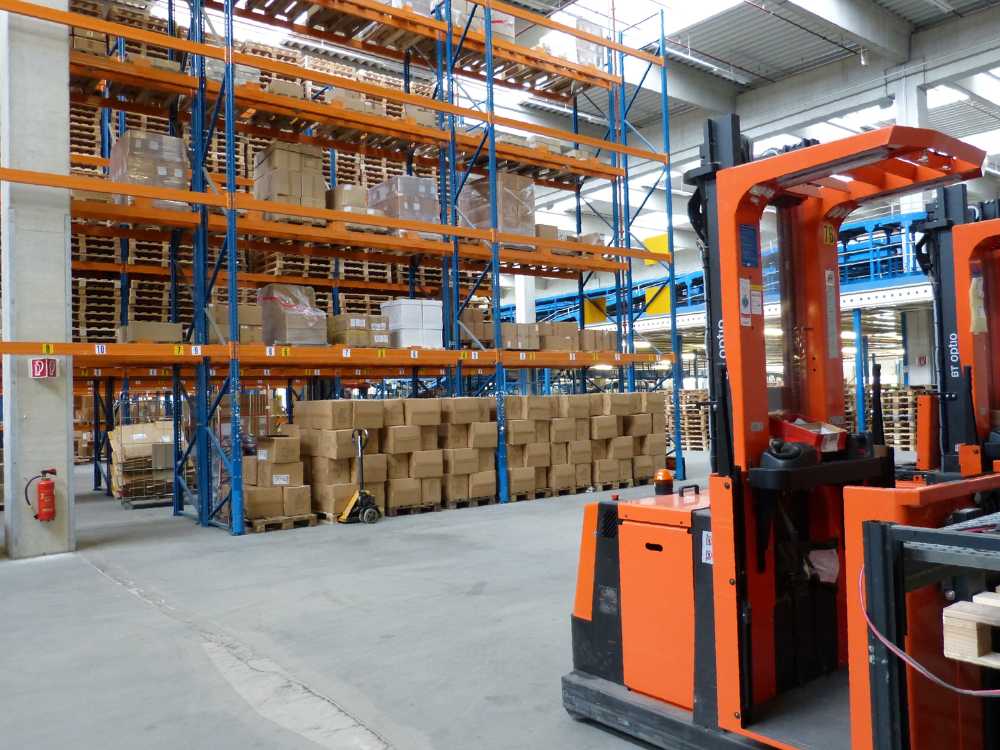
In today’s busy warehouses, distribution centers, and manufacturing facilities, efficiency and safety must go hand in hand. Among the many types of material handling equipment, the stand-up forklift is a favorite for its agility, compact design, and ability to maneuver through tight aisles. But operating this type of lift truck requires knowledge of specific stopping techniques—especially one called plugging.
This technique is especially common with standing forklifts and reach trucks. But while plugging can be useful, it’s not always the right choice. Misusing it can compromise safety, wear out equipment, and put loads at risk.
Table of Contents
Key Takeaways
✔ Plugging is a stopping technique used on electric forklifts like the stand-up forklift, but it should only be applied in the right scenarios for safety and efficiency.
✔ Knowing what plugging is on a forklift helps operators understand when it can improve precision and when it risks damaging equipment or loads.
✔ Plugging is most effective for low-speed maneuvering, short travel distances, and emergency collision avoidance, especially for a skilled reach truck operator.
✔ Operators should avoid plugging when carrying heavy loads, traveling at high speeds, or working on slippery or uneven surfaces in a standing forklift.
✔ Excessive plugging increases wear on motors, controllers, and batteries, raising maintenance costs and shortening equipment life.
✔ Fleet managers can reduce plugging-related issues through telematics, preventative maintenance, and strong training on how to operate a stand-up forklift safely.
✔ Alternatives like service brakes, coasting, and blended stopping techniques are safer options in many warehouse conditions.
✔ Reliable, well-maintained equipment combined with knowledgeable operators makes warehouse operations smoother, safer, and more productive.
What Is Plugging on a Forklift?
Plugging, sometimes called “regenerative braking” or “reverse current braking,” is a stopping technique unique to electric forklifts. Instead of relying solely on brakes, the operator shifts the directional control handle into the opposite direction of travel. The forklift motor then reverses polarity, creating resistance that slows the truck.
To put it simply: when a reach truck operator moving forward pulls the control handle into reverse, the truck resists forward momentum and decelerates rapidly. The same applies in reverse travel.
Why Operators Use Plugging
- Faster stopping: Plugging can stop a stand-up forklift more quickly than coasting or traditional braking.
- Precision control: In tight warehouse aisles, plugging allows for smooth, controlled stops.
- Reduced brake wear: By using the motor for deceleration, plugging sometimes extends the lifespan of brake pads
However, these advantages don’t mean plugging should replace brakes entirely. It’s a supplemental technique, not a universal solution.
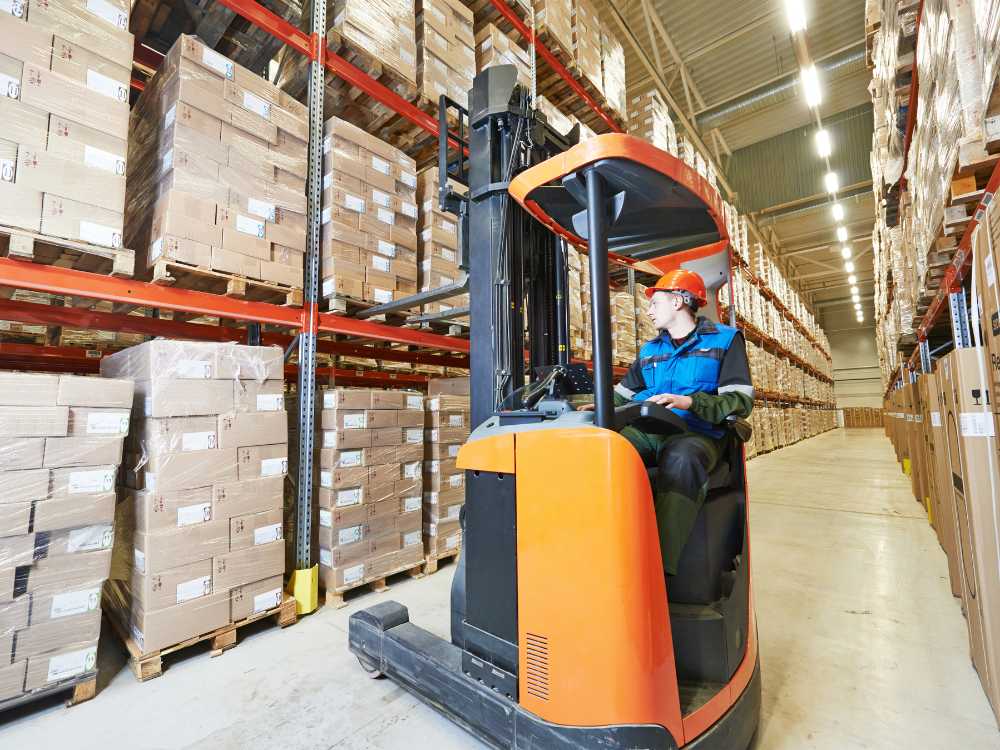
When Should Plugging Be Used?
One of the most common questions operators ask during training is what is plugging on a forklift, and more importantly, when it should be used. The key is knowing which scenarios allow for safe application, and which situations call for more traditional stopping methods.
Low-Speed Maneuvering in Tight Aisles
In warehouse environments with narrow racks and limited clearance, precision is everything. Plugging allows a stand-up forklift operator to slow down in short, controlled increments without slamming the brakes. This is particularly helpful when:
- Aligning with pallets in high-density storage.
- Navigating blind corners where visibility is limited.
- Working in pick modules where small, precise stops prevent collisions with racks.
Because the operator stands sideways inside a standing forklift, plugging provides smoother directional control in confined spaces, helping the operator maintain stability while making frequent, delicate adjustments.
Short Travel Distances with Frequent Direction Changes
Some tasks require operators to move back and forth constantly over short distances—for example, shuttling pallets between staging areas. In these cases, plugging:
- Reduces wasted motion: Instead of coasting to a full stop, the operator uses plugging to quickly reverse direction.
- Speeds up repetitive tasks: Saving even a second per movement adds up to major time savings over a shift.
- Minimizes brake wear: By using the motor to decelerate, operators may reduce reliance on the service brakes.
This is where training on how to operate a stand-up forklift becomes critical. Without proper instruction, operators may overuse plugging, creating jerky stops instead of smooth transitions.
Collision Avoidance in Emergencies
Even the most careful reach truck operator may encounter unexpected obstacles—such as another forklift cutting across an aisle, a pedestrian stepping into the path, or a pallet falling unexpectedly. In these cases:
- Immediate deceleration through plugging may prevent a collision.
- Combining plugging with service brakes can shorten stopping distances.
- Maintaining load stability during sudden stops is key, making operator skill crucial.
While plugging is not designed to replace emergency braking, it can serve as an additional layer of protection in situations where every split second counts.
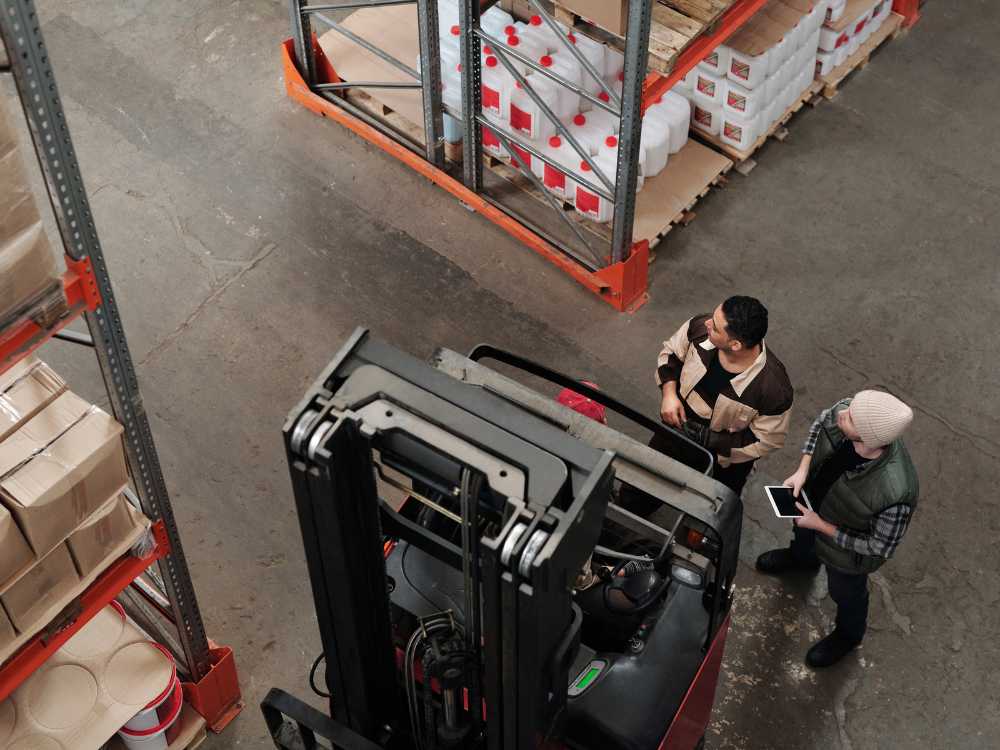
When Not to Use Plugging
While plugging can be effective in some scenarios, there are clear situations where this technique is unsafe or damaging to equipment. Operators must recognize when to avoid plugging and instead rely on brakes or controlled coasting.
Carrying Heavy Loads
Using plugging while moving a stand-up forklift with a full pallet or tall load is one of the most dangerous practices. Heavy loads generate significant momentum, and sudden deceleration through plugging can have serious consequences:
- Load instability: The weight of a loaded pallet continues moving forward even when the forklift slows suddenly. This can cause pallets to tip, lean, or fall.
- Increased operator risk: In a standing forklift, the operator braces against a backrest. If plugging creates a hard jolt, the operator may lose footing or be pushed into the controls.
- Product damage: Sudden shifts in cargo often result in damaged goods, which increase costs and downtime.
- Higher chance of tipping: In rare cases, an abrupt stop while carrying a high or heavy load can affect the forklift’s center of gravity, increasing the risk of tipping.
The safest choice is to use brakes gradually, combined with slower travel speeds. Training programs on how to operate a stand-up forklift should emphasize that plugging is not a safe option when handling weighty or elevated loads.
High-Speed Travel Across Warehouse Floors
Plugging at high speed is one of the most common misuses of this technique. While it might seem like a fast way to stop, the risks far outweigh the benefits:
- Motor strain: Reversing electrical current at top speed puts extreme pressure on the drive motor and controller, leading to overheating and premature wear.
- Loss of operator balance: A reach truck operator or stand-up forklift operator can easily be thrown off balance by the sudden jolt of high-speed plugging. Since operators stand sideways, even a small lurch can cause impact with compartment walls.
- Accident potential: Sudden stops at speed reduce reaction time and may cause skidding, sliding, or even tipping, depending on load and floor conditions.
The correct approach is to anticipate stops early, reduce speed gradually, and rely on service brakes. This not only improves safety but also extends equipment lifespan.
Slippery or Uneven Surfaces
Floor conditions play a big role in forklift safety. On slippery, dusty, wet, or cracked warehouse surfaces, plugging is particularly dangerous. In fact, in 2023 alone, 67 workers were killed in incidents involving forklifts, order pickers, or platform trucks—underscoring why operators must avoid risky maneuvers like plugging on unsafe floors.
- Traction loss: Sudden deceleration through plugging can cause wheels to skid, especially if the forklift is turning or carrying a load.
- Uncontrolled sliding: On wet or uneven floors, plugging may lead the truck to slide unpredictably, increasing the risk of collisions.
- Operator discomfort: In a standing forklift, unexpected side movements can cause operators to slam against the compartment frame.
- Load shift risk: Even a partially loaded pallet can slide or topple if the forklift jolts unexpectedly during plugging.
Operators must adapt by slowing down before entering poor floor conditions, keeping loads lower to the ground, and relying on brakes instead of plugging. In operator training, instructors should stress that knowing what is plugging on a forklift includes knowing when not to use it—especially in unsafe environments.
Effects of Plugging on Forklift Performance & Maintenance
Plugging affects more than just the operator’s ability to stop quickly—it has long-term impacts on the forklift’s motor, battery system, and maintenance schedule. Understanding these effects is essential for fleet managers, technicians, and every reach truck operator or stand-up forklift user who relies on consistent performance.
Plugging and Forklift Motors
Every time plugging is used, the electric motor works against the truck’s forward or backward momentum. This constant reversal of current can have significant consequences if misused:
- Overheating in drive motors: Repeated plugging forces the motor to handle high levels of electrical resistance. Over time, this generates heat that can damage insulation, wiring, and motor windings.
- Accelerated wear of electrical controllers: The controller, which regulates the motor’s power flow, is placed under extra stress during plugging. Overuse can shorten its lifespan and lead to costly replacements.
- Higher long-term maintenance costs: While plugging may reduce brake wear, it often transfers that wear to the motor and electrical system instead. The result is higher repair frequency and unexpected downtime.
This is why training programs that teach how to operate a stand-up forklift must include a section on the impact of plugging. Operators who understand what is plugging on a forklift can make smarter choices that balance efficiency with equipment longevity.
Battery & Energy Considerations
Modern electric forklifts are often equipped with regenerative technology, which means plugging can sometimes send power back into the battery. On the surface, this looks like an advantage—but the reality is more nuanced:
- Potential battery recharge: When used correctly and sparingly, plugging helps recapture small amounts of energy, slightly extending battery runtime.
- Excessive drain from high-current reversals: Each time plugging occurs, the system demands a sudden surge of power. If repeated too often, this can drain the battery faster than normal operation.
- Shortened battery lifespan: Batteries exposed to constant charge/discharge cycles caused by aggressive plugging may degrade more quickly, resulting in premature replacements.
For standing forklift operators, the temptation to rely heavily on plugging during short travel distances is strong. However, supervisors must reinforce that efficient energy management is part of learning how to operate a stand-up forklift responsibly.
Maintenance Implications
Plugging doesn’t just impact daily performance—it leaves long-term signs of wear that fleet managers should track closely. By monitoring operator habits and equipment feedback, issues can be addressed before they cause major breakdowns.
Common indicators of plugging overuse include:
- Burnt electrical smell near the motor: A clear sign of overheating and potential damage to wiring or insulation.
- Reduced acceleration response: The forklift may feel sluggish because the motor and controller have been stressed by frequent plugging cycles.
- Frequent motor or controller repairs: If these components are failing more often than expected, it may point to operator misuse.
To mitigate these risks, managers should:
- Leverage telematics: Many modern forklifts provide data on operator behavior, including plugging frequency.
- Conduct regular inspections: Catching small electrical issues early can prevent costly failures later.
- Reinforce operator education: Every reach truck operator and stand-up forklift driver must be reminded that plugging is a tool, not the primary method of stopping.
By combining preventive maintenance with clear training on what is plugging on a forklift, companies can maximize both equipment lifespan and operator safety.
Operator Training & Best Practices
Even the best equipment is only as safe as the person operating it. Training forklift operators to understand what is plugging on a forklift, when to use it, and when to avoid it is critical for both safety and efficiency. A strong training program, reinforced by workplace culture, ensures that every reach truck operator and stand-up forklift driver can perform their duties confidently and responsibly.
Teaching Forklift Operators Safe Plugging
Plugging is not an instinctive technique—it must be taught carefully. Training should cover both the mechanics of plugging and the judgment required to use it correctly.
- Classroom instruction: Operators should first learn the theory behind plugging. Trainers must explain what is plugging on a forklift, how the motor resists motion, and the risks of misuse. This portion also defines situations where plugging is allowed (such as tight maneuvering) and where it is dangerous (such as carrying heavy loads).
- Hands-on demonstration: After classroom learning, operators should practice plugging in a controlled environment. Trainers should demonstrate how to operate a stand-up forklift at low speeds, showing how plugging affects load stability and operator balance. Controlled practice builds confidence without real-world risks.
- Scenario training: Operators should experience realistic warehouse conditions. For example, simulating an emergency stop allows a reach truck operator to practice combining plugging with braking. This prepares them for unpredictable moments on the job while reinforcing that safety comes before speed.
When properly taught, plugging becomes a useful supplemental skill rather than a reckless habit.
Alternatives to Plugging
While plugging can be effective in certain scenarios, operators should never depend on it as their primary stopping method. Knowing the alternatives—and when to apply them—is just as important as learning how to operate a stand-up forklift.
- Service brakes: These are the most reliable and consistent method for stopping under load. Service brakes should always be the go-to option when handling heavy or elevated pallets, as they provide controlled deceleration without destabilizing the truck.
- Coasting: Allowing the forklift to slow down naturally before applying brakes reduces wear on both the motor and braking system. Coasting is especially useful in long-distance travel across warehouse floors where precision stops aren’t required.
- Blended technique: A skilled operator can combine plugging with light braking to create smoother stops. This reduces stress on both the brakes and the motor while maintaining safe load control. For example, a standing forklift operator moving in a tight aisle might plug at low speed, then gently apply the brake to complete the stop.
By mastering all three methods, operators can adapt to changing warehouse conditions while protecting both equipment and cargo.
Building a Culture of Safety
Training doesn’t end after certification. In fact, according to the U.S. Bureau of Labor Statistics, forklift accidents have dropped by nearly 50% over the past two decades—clear evidence that consistent training and reinforced safety practices truly make a difference.
- Supervisor observation: Managers should regularly observe operators, ensuring they follow company policies on plugging and braking. Corrective feedback should be given immediately to prevent unsafe habits from forming.
- Policy reinforcement: Posting clear signage and including plugging guidelines in shift meetings reminds operators of the company’s expectations. Written policies help remove ambiguity about when plugging is appropriate.
- Safety over speed: Supervisors must remind teams that knowing how to operate a stand-up forklift safely is more valuable than completing a task a few seconds faster. A workplace that prioritizes safety reduces accidents, equipment damage, and costly downtime.
- Continuous education: Ongoing refresher courses should revisit plugging, alternatives, and updated safety standards. For a reach truck operator, this ongoing training reinforces good habits and helps adapt to new warehouse layouts or equipment.
When safety becomes part of the culture, plugging transforms from a risky shortcut into a properly managed tool for productivity.
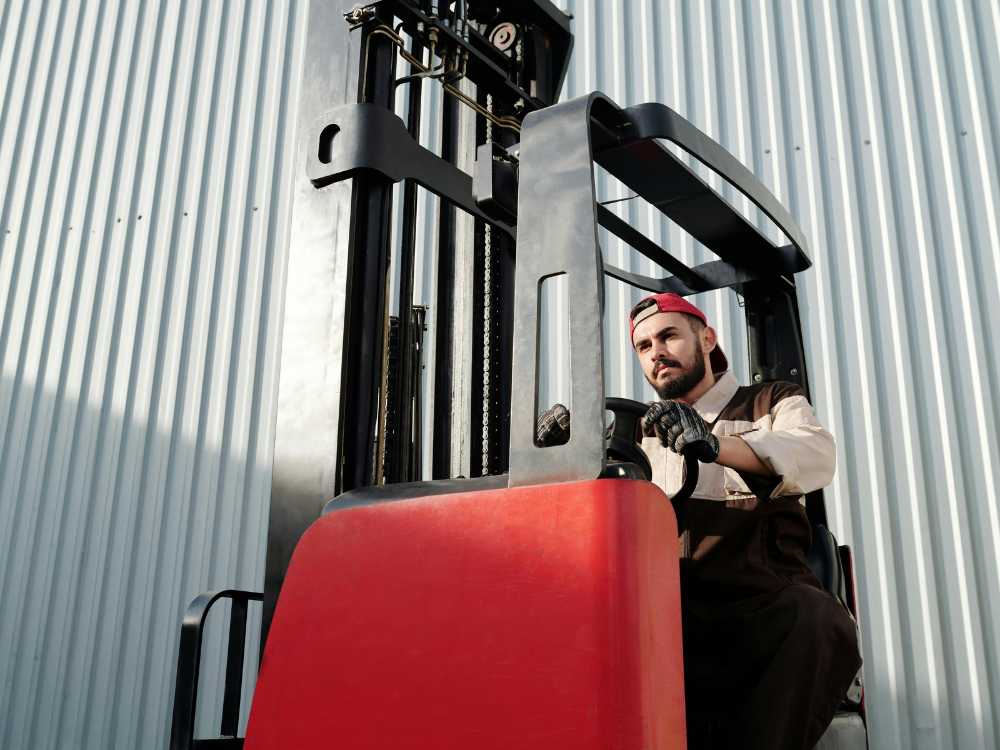
Frequently Asked Questions (FAQs)
When you stop a forklift by plugging, you should?
When you stop a forklift by plugging, you should shift the directional control into the opposite direction of travel, allowing the motor to resist momentum and slow the truck. It’s important to do this smoothly, especially in a stand-up forklift, so the stop doesn’t cause load instability or throw the operator off balance. Plugging should only be used in controlled situations and not as a substitute for brakes during high-speed or heavy-load operations.
What is the difference between plugging and inching?
Plugging is a braking technique that uses the motor’s reverse current to slow and stop the forklift, while inching is a low-speed control method that allows precise movements, usually by partially engaging the brake and accelerator simultaneously. Plugging is about deceleration, whereas inching is about careful, incremental positioning of the forklift. Both require training to use properly, but they serve very different purposes in warehouse operations.
How is plugging used to stop a motor?
Plugging stops a motor by reversing the electrical input to oppose its current direction of rotation. This creates resistance, which slows down the motor rapidly until it comes to a stop. While effective, it generates heat and stress on the system, which is why plugging should be used sparingly to avoid long-term equipment damage.
How long does it take to stop a forklift at full speed?
The stopping distance and time for a forklift at full speed depend on the weight of the load, the floor conditions, and whether brakes or plugging are used. On average, a forklift traveling at 8–10 mph can take around 15–20 feet to come to a complete stop with brakes alone. Using plugging may shorten the stopping distance, but it can also increase the risk of instability if done suddenly.
When should you start plugging in a diesel truck?
Diesel trucks do not use plugging because plugging is a method unique to electric forklifts and motors. Instead, diesel forklifts rely on service brakes and engine braking for slowing down. If you’re operating a diesel truck, you should never attempt plugging; instead, focus on gradual deceleration and proper brake use to maintain safety and control.
Power Your Operations with Reliable Forklift Rentals
At Almeida Forklifts, we don’t just believe in safe forklift operation—we support it by providing equipment you can rely on. Every rental in our fleet is fully refurbished and maintained to perform like new. Plus, with our preventative service included in both short-term and long-term rentals, you can count on safety, efficiency, and peace of mind every time you put one of our forklifts to work.
Contact us today to learn more about our rental options and preventative services!